Menu

#DiseaSeanDillnesses

5 posts

Feed·
5 of 5 posts
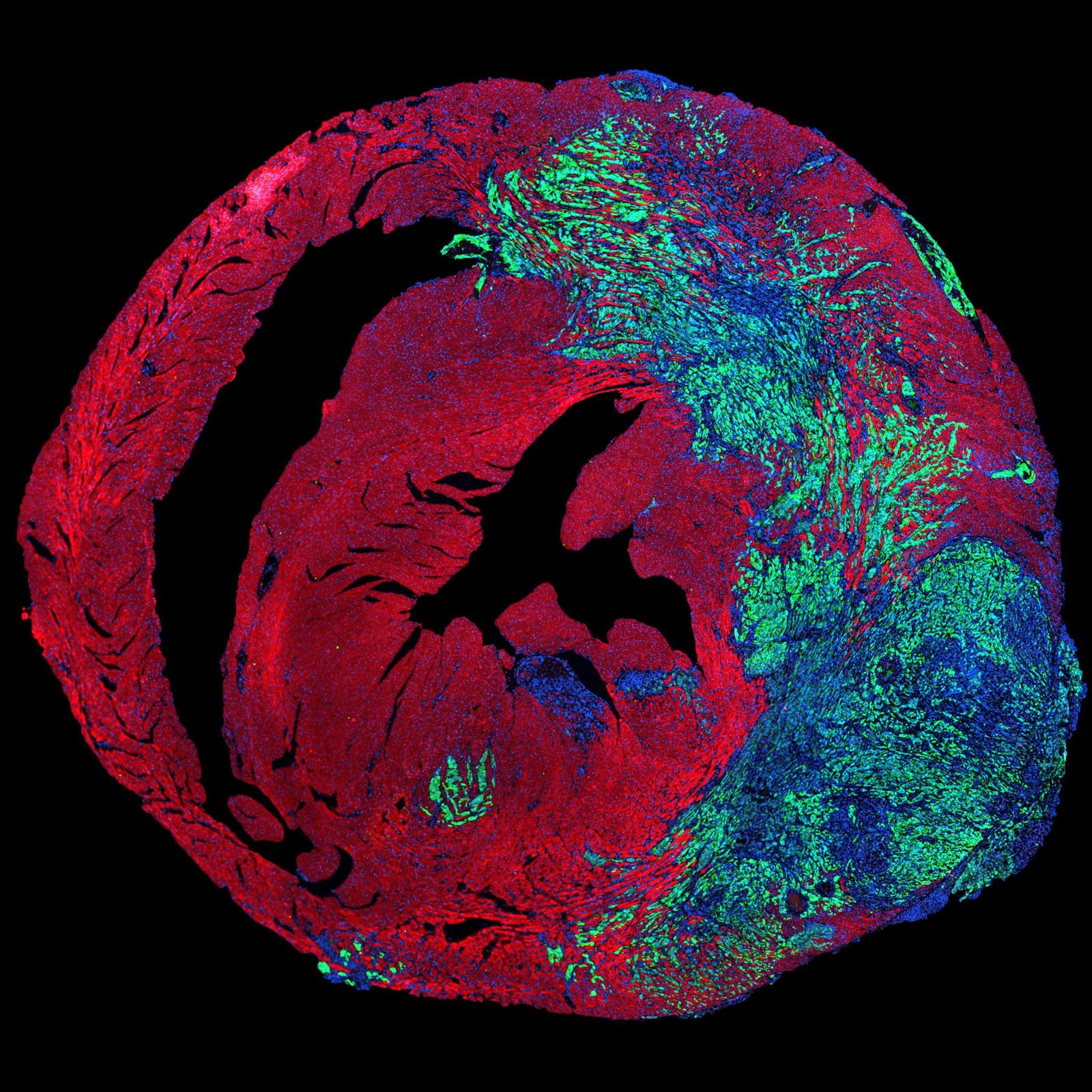
Cancer Is Somehow Rare in the Heart. Turns Out, the Organ's Rhythmic Beat Might Keep the Disease at Bay, a Mouse Study Finds
🖼️
0Read More

Cancer Is Somehow Rare in the Heart. Turns Out, the Organ's Rhythmic Beat Might Keep the Disease at Bay, a Mouse Study Finds

Smithsonian Magazine·Sara Hashemi·6 months ago
#D7K5iamr

Less than 1 percent of cancers start in the heart, and disease that begins elsewhere seldom spreads to the blood-pumping organ. New research suggests mechanical force might have a protective role

15s
You've Been Told to 'Feed a Cold.' Turns Out, Eating May Truly Boost Your Immune System Cells, According to a New Study
📰
0Read More

You've Been Told to 'Feed a Cold.' Turns Out, Eating May Truly Boost Your Immune System Cells, According to a New Study

Smithsonian Magazine·Carlyn Kranking·6 months ago
#sFAQNaD9

T cells, which target infection and disease, can become more effective after a meal. The finding might help improve cancer-fighting therapies and optimize our response to vaccines

15s
These Buildings and Bridges Are the Most 'Endangered' in England and Wales—and They Tell Us a Lot About Life in the Victorian Era
🖼️
0Read More

These Buildings and Bridges Are the Most 'Endangered' in England and Wales—and They Tell Us a Lot About Life in the Victorian Era

Smithsonian Magazine·Mary Randolph·6 months ago
#UrCPPQNu

Structures remaining from the height of the British Empire reveal changing economic, medical and education trends from the 1800s and early 1900s. But their legacy is at risk as they fall into disrepair

15s
Cancer Survivors Are Living Longer but Still Have Complex Needs. That's Why Doctors and Advocates Want Post-Treatment Care Plans
🖼️
0Read More

Cancer Survivors Are Living Longer but Still Have Complex Needs. That's Why Doctors and Advocates Want Post-Treatment Care Plans

Smithsonian Magazine·REPRINT AUTHOR PLACEHOLDER·6 months ago
#XZQXlGBE

Survivors have a heightened risk of developing cardiovascular disease, pain, insomnia, psychosocial distress and new cancers. Many, patient advocates say, are not receiving adequate long-term care

15s
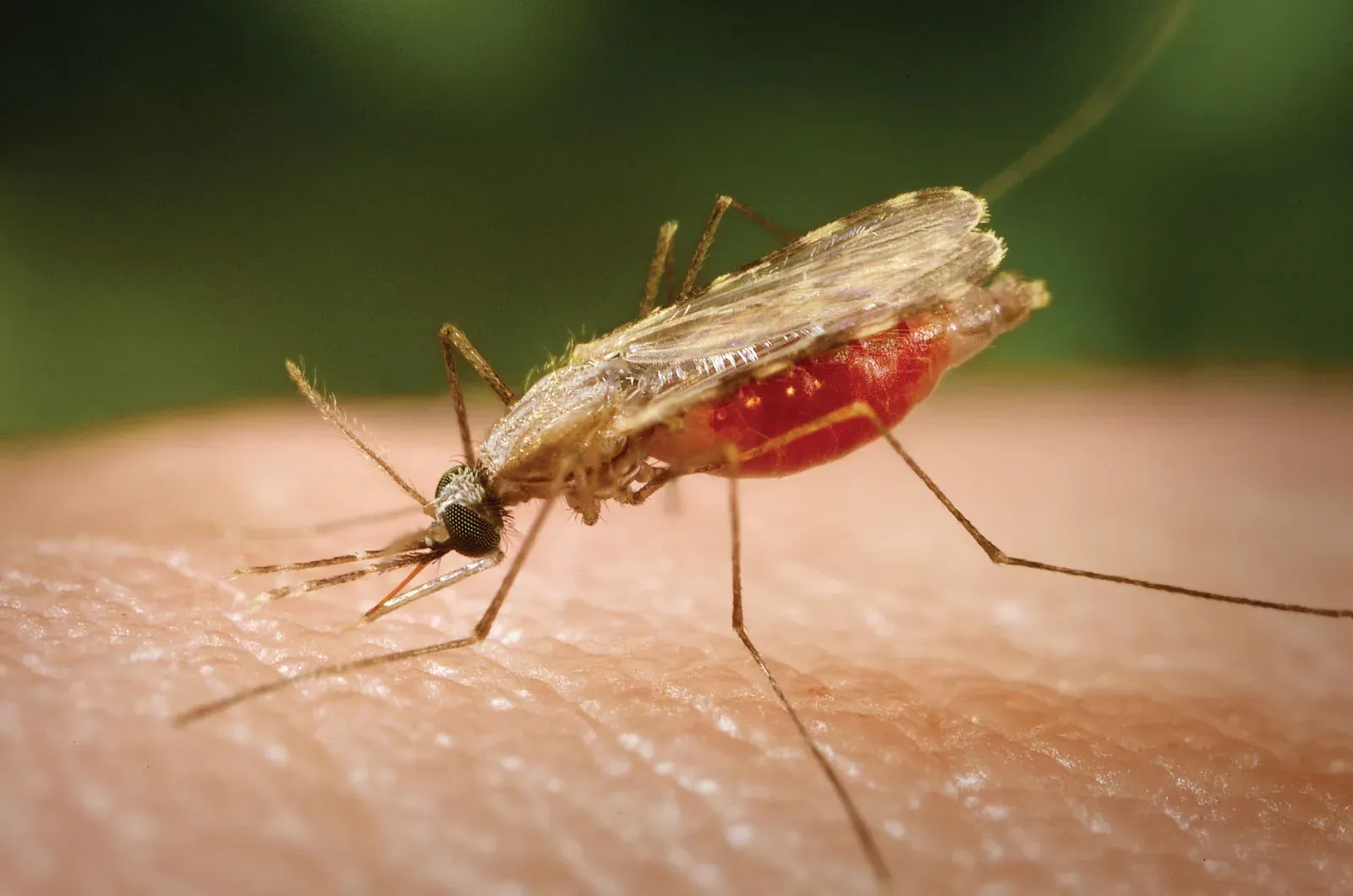
Mosquitoes Have Been Biting Humans for More Than One Million Years
🖼️
0Read More

Mosquitoes Have Been Biting Humans for More Than One Million Years

Smithsonian Magazine·Sara Hashemi·7 months ago
#AlsAxl

A new study suggests that the deadly insects evolved their taste for human blood much earlier than previously thought, around when Homo erectus migrated into Southeast Asia
15s