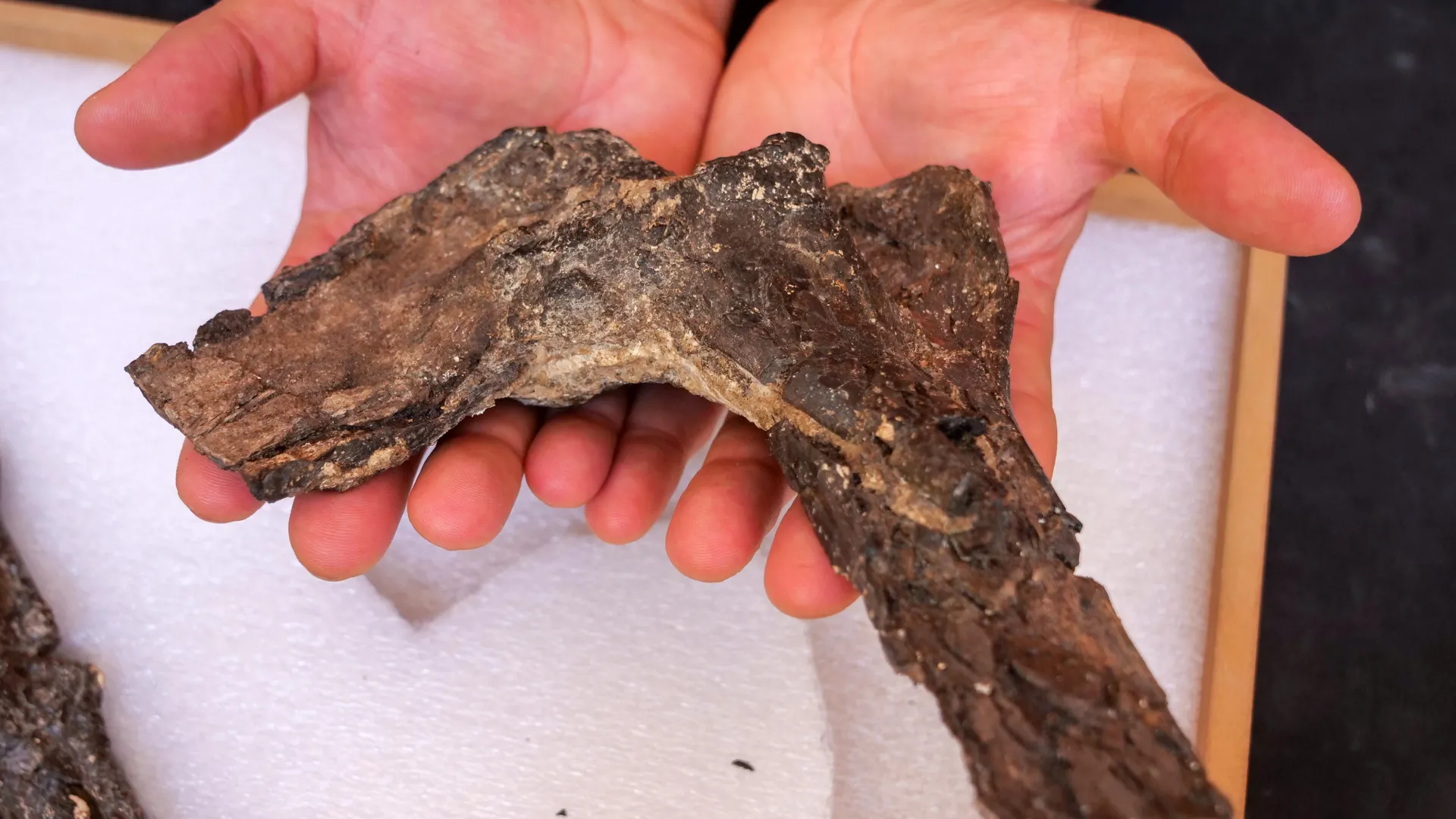
Scientists have discovered chemically confirmed traces of ancient blood inside 115-million-year-old dinosaur bones, challenging assumptions about how long biological molecules can survive.…
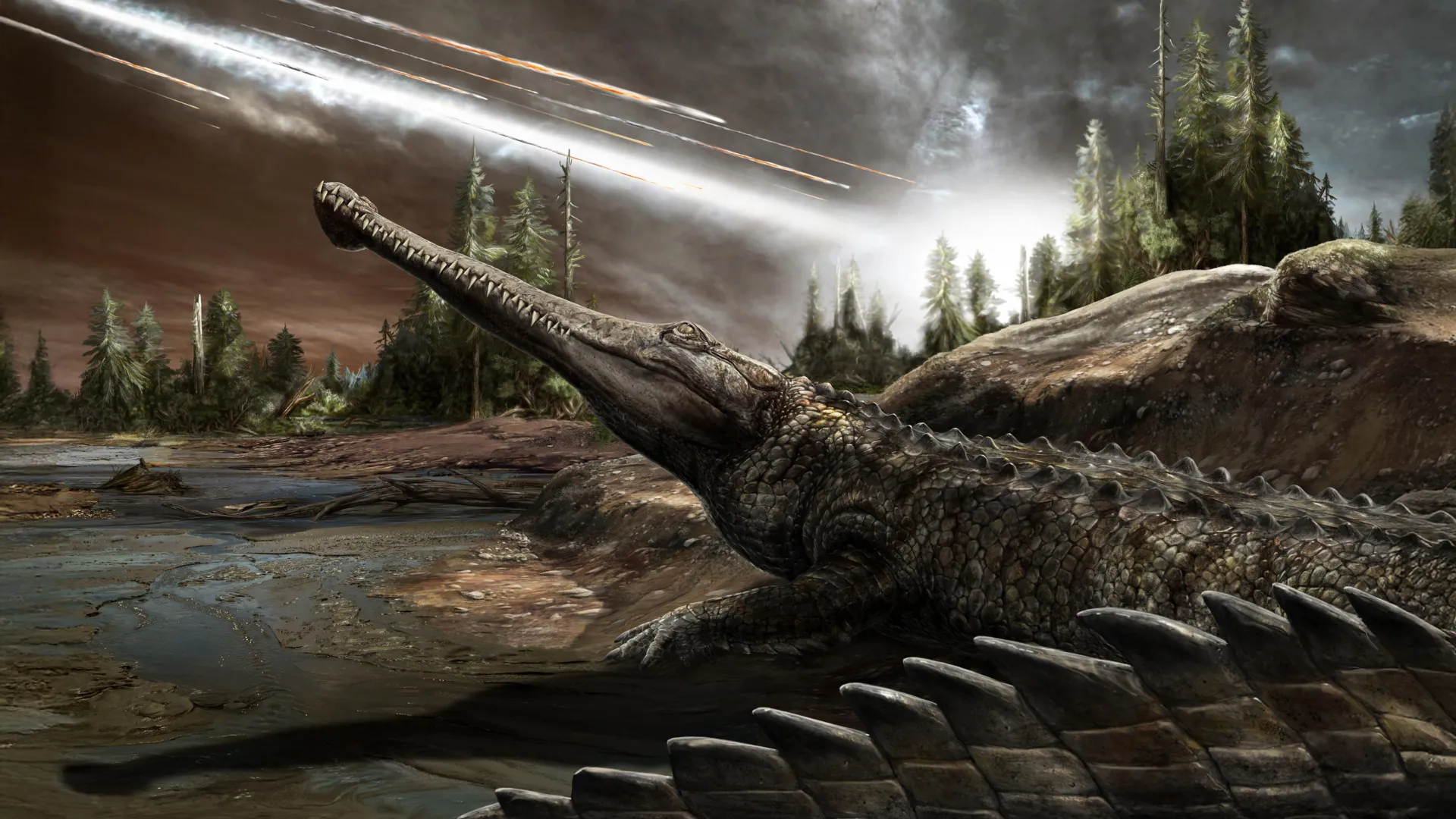
Scientists may have solved a 66-million-year-old mystery: how crocodiles survived the asteroid that wiped out the dinosaurs. A sweeping analysis of fossils and ancient climates suggests that their preference for warm environments placed them in tropical…
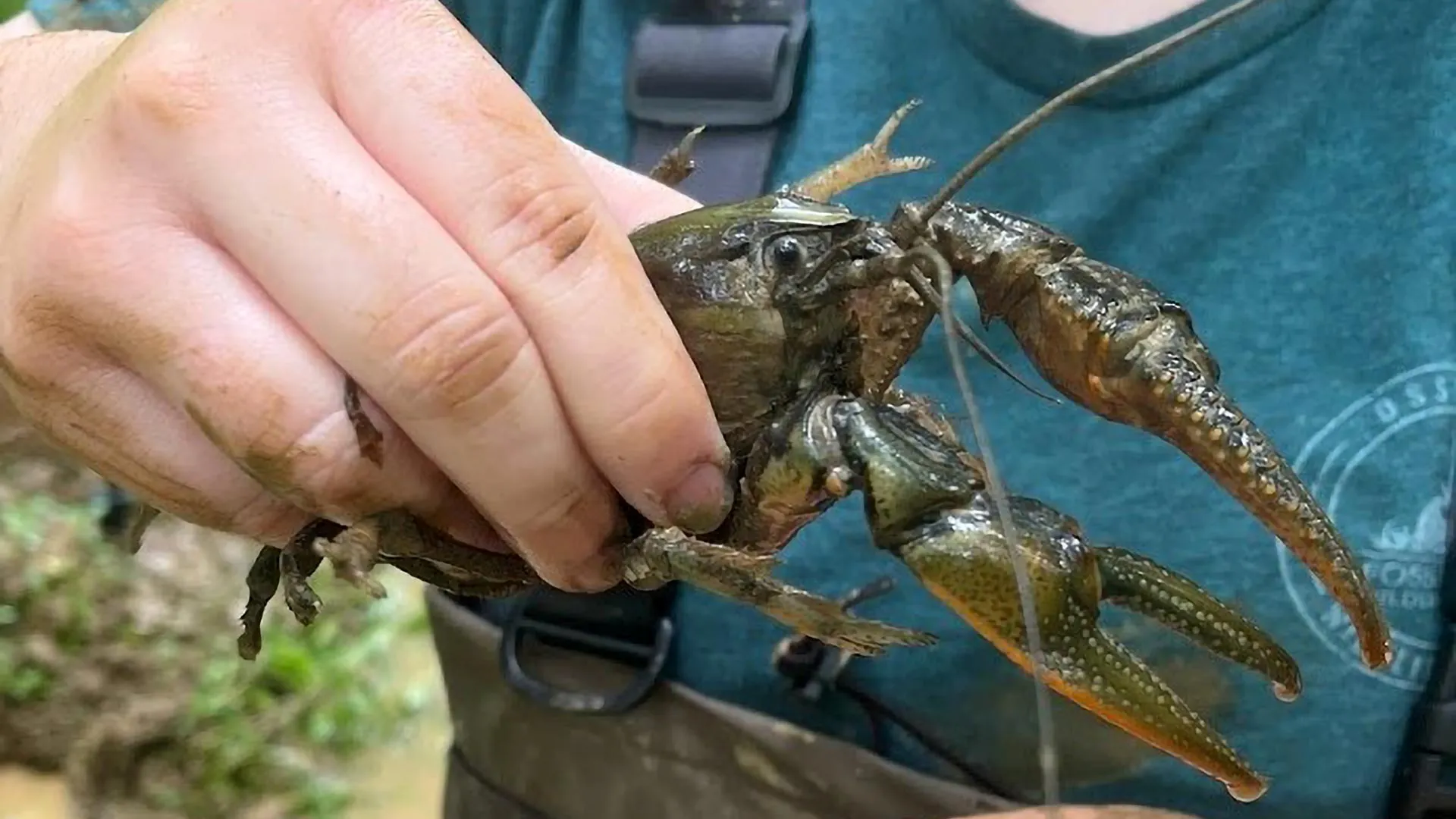
A nationwide search for giant crayfish uncovered a record-breaking Tennessee specimen and a surprising mystery about how big these freshwater creatures can grow.…
Scientists say moons around rogue planets wandering through the galaxy could remain warm enough for life thanks to tidal heating and hydrogen-rich atmospheres.…
New experiments suggest that freezing and thawing on early Earth may have helped primitive cell-like structures grow and evolve. Tiny lipid bubbles behaved very differently depending on their membrane makeup—some fused into larger compartments and…
Scientists have discovered that methane in the open ocean is produced by microbes under nutrient-poor conditions, solving a long-standing mystery. As warming oceans reduce nutrient mixing, these methane-producing microbes may thrive.…
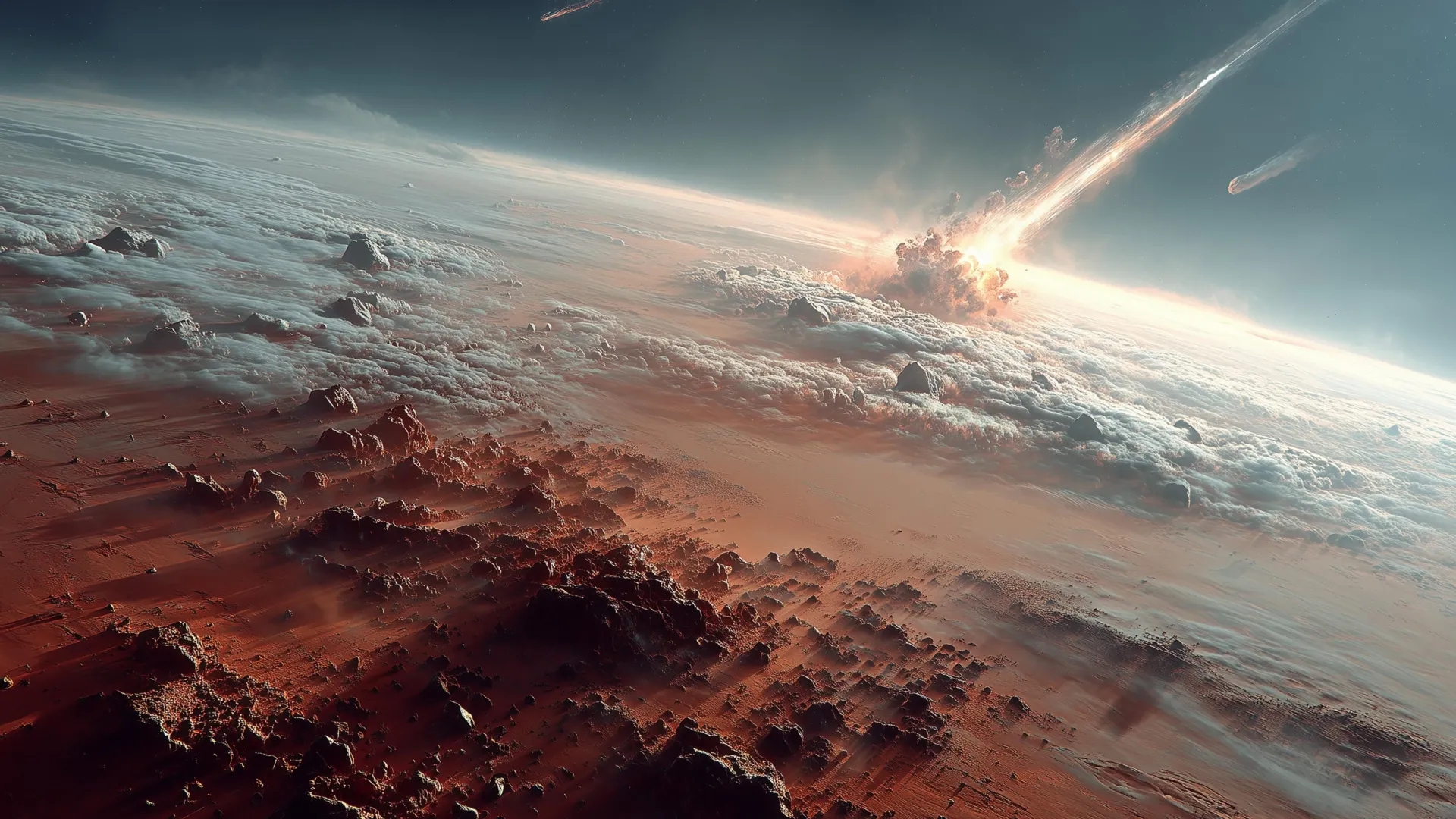
A famously resilient bacterium may be tough enough to survive one of the most violent events imaginable on Mars. In laboratory experiments designed to mimic the crushing shock of a massive asteroid impact, researchers squeezed Deinococcus radiodurans…