Menu

#NewResearch

14 posts

Feed·
14 of 14 posts
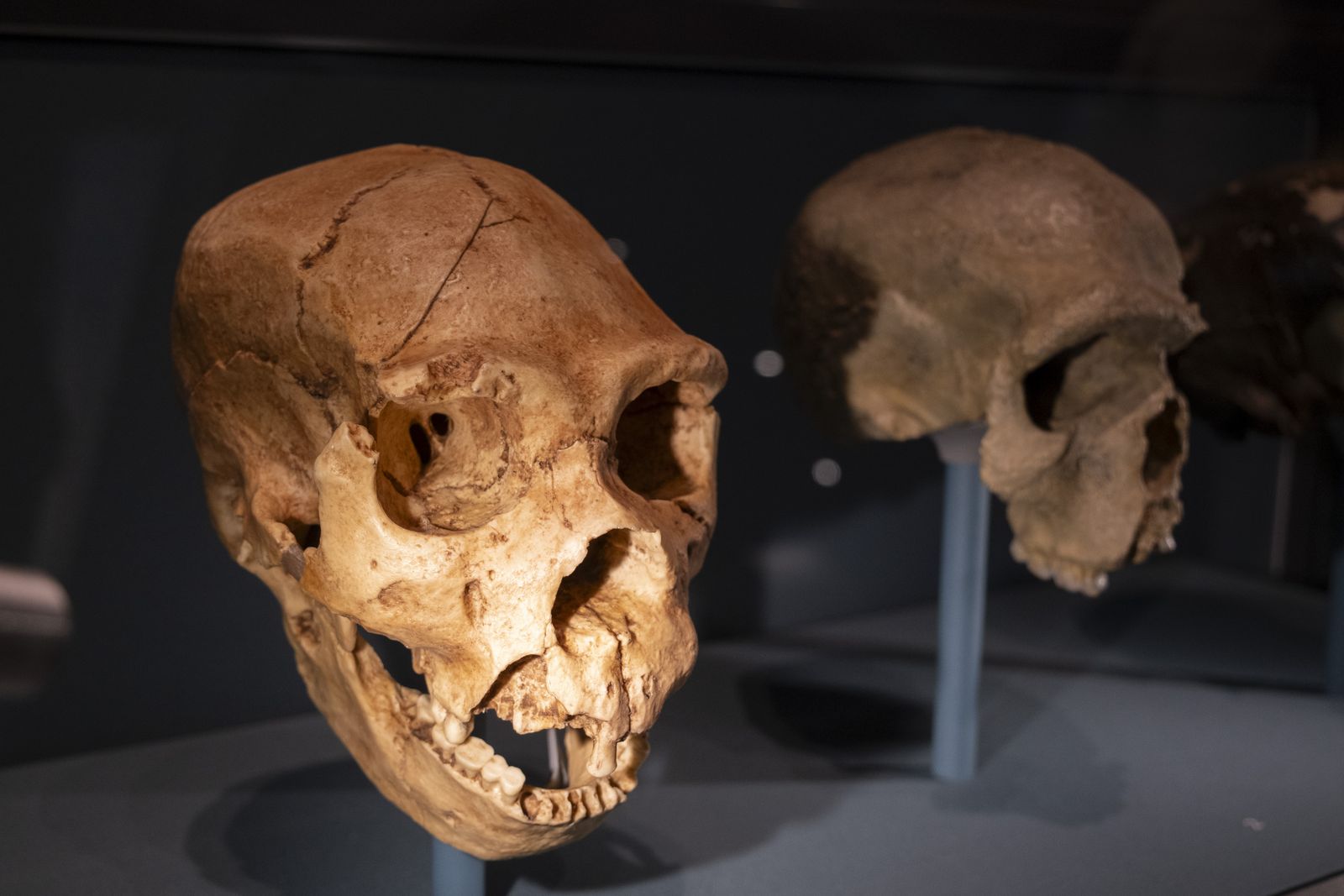
Did Homo Sapiens Really Outsmart Neanderthals? Different Skull Shapes Didn’t Necessarily Mean Unequal Brain Capacity, New Research Shows
🖼️
0Read More

Did Homo Sapiens Really Outsmart Neanderthals? Different Skull Shapes Didn’t Necessarily Mean Unequal Brain Capacity, New Research Shows

Smithsonian Magazine·Sarah Kuta·6 months ago
#n1UiRLJc

From Latest articles | smithsonianmag.com: Did Homo Sapiens Really Outsmart Neanderthals? Different Skull Shapes Didn’t Necessarily Mean Unequal Brain Capacity, New Research Shows

15s
The Relaxation of Regularly Listening to Songs or Drawing Pictures May Actually Slow Cellular Aging, New Research Shows
🖼️
0Read More

The Relaxation of Regularly Listening to Songs or Drawing Pictures May Actually Slow Cellular Aging, New Research Shows

Smithsonian Magazine·Sonja Anderson·6 months ago
#ZpAP0NC2
#newresearch#aging#art#biology#genetics

From Latest articles | smithsonianmag.com: The Relaxation of Regularly Listening to Songs or Drawing Pictures May Actually Slow Cellular Aging, New Research Shows

15s
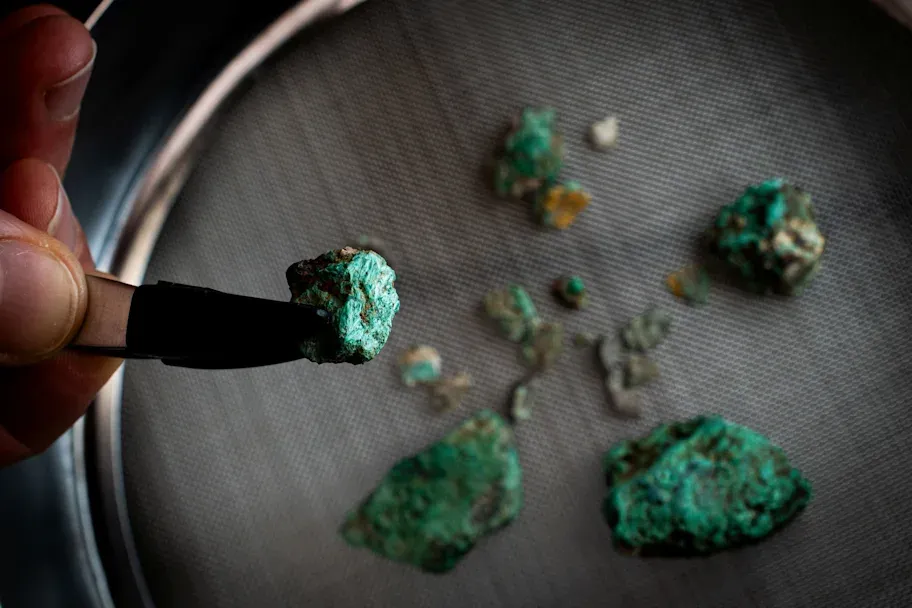
Mysterious Green Rocks Discovered in a Remote Cave in Spain Might Be Signs of Prehistoric People Working With Copper
🖼️
0Read More

Mysterious Green Rocks Discovered in a Remote Cave in Spain Might Be Signs of Prehistoric People Working With Copper

Smithsonian Magazine·Mary Randolph·6 months ago
#wTVKogyd

From Latest articles | smithsonianmag.com: Mysterious Green Rocks Discovered in a Remote Cave in Spain Might Be Signs of Prehistoric People Working With Copper

15s
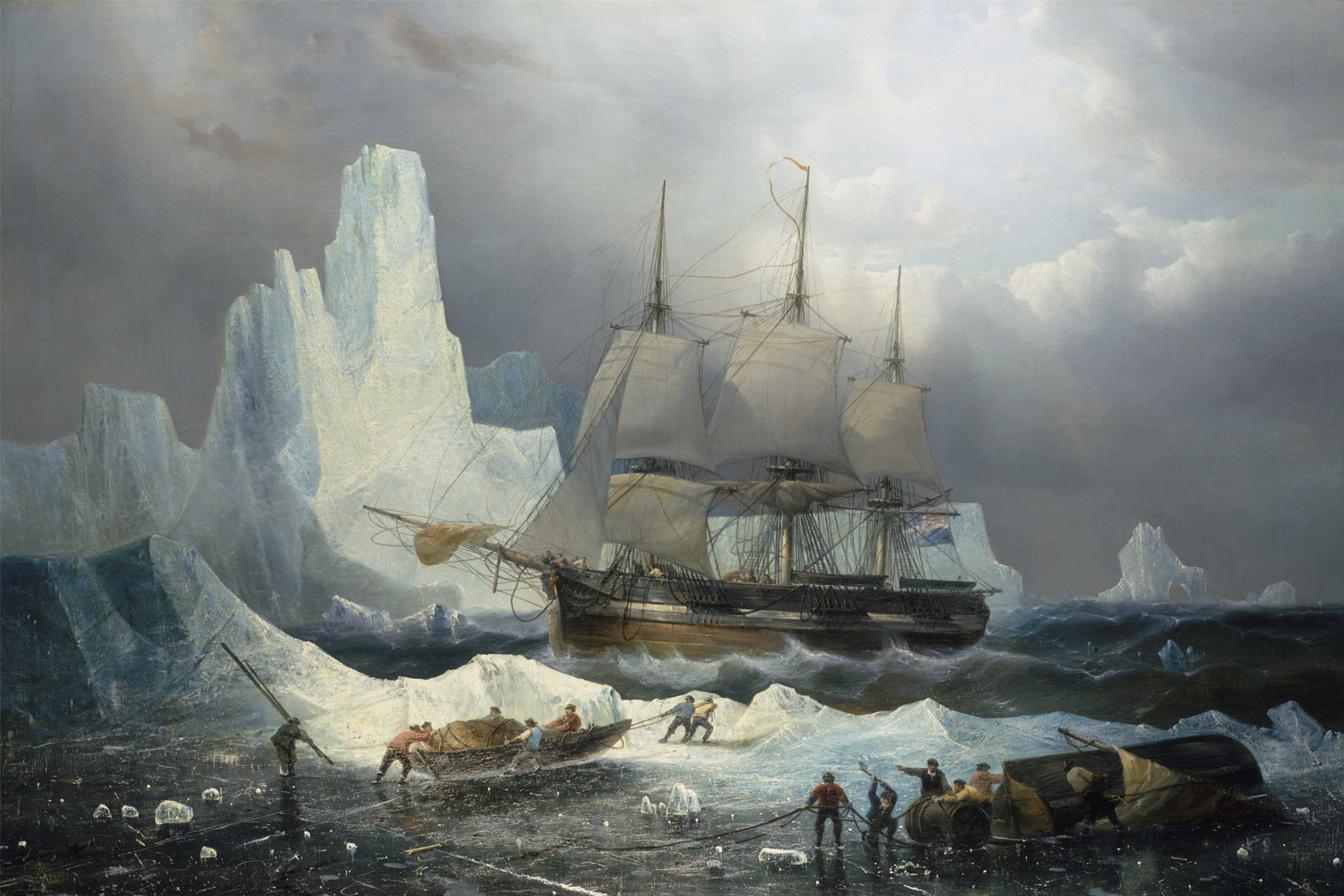
This Franklin Expedition Officer Died in the Arctic in a Uniform That Didn't Belong to Him. Now, DNA Has Revealed His Identity
🖼️
0Read More

This Franklin Expedition Officer Died in the Arctic in a Uniform That Didn't Belong to Him. Now, DNA Has Revealed His Identity

Smithsonian Magazine·Meilan Solly·6 months ago
#BD7FdIps

New research has identified four members of the doomed 1845 search for the Northwest Passage, including the owner of a paper-stuffed wallet that has long mystified historians

15s
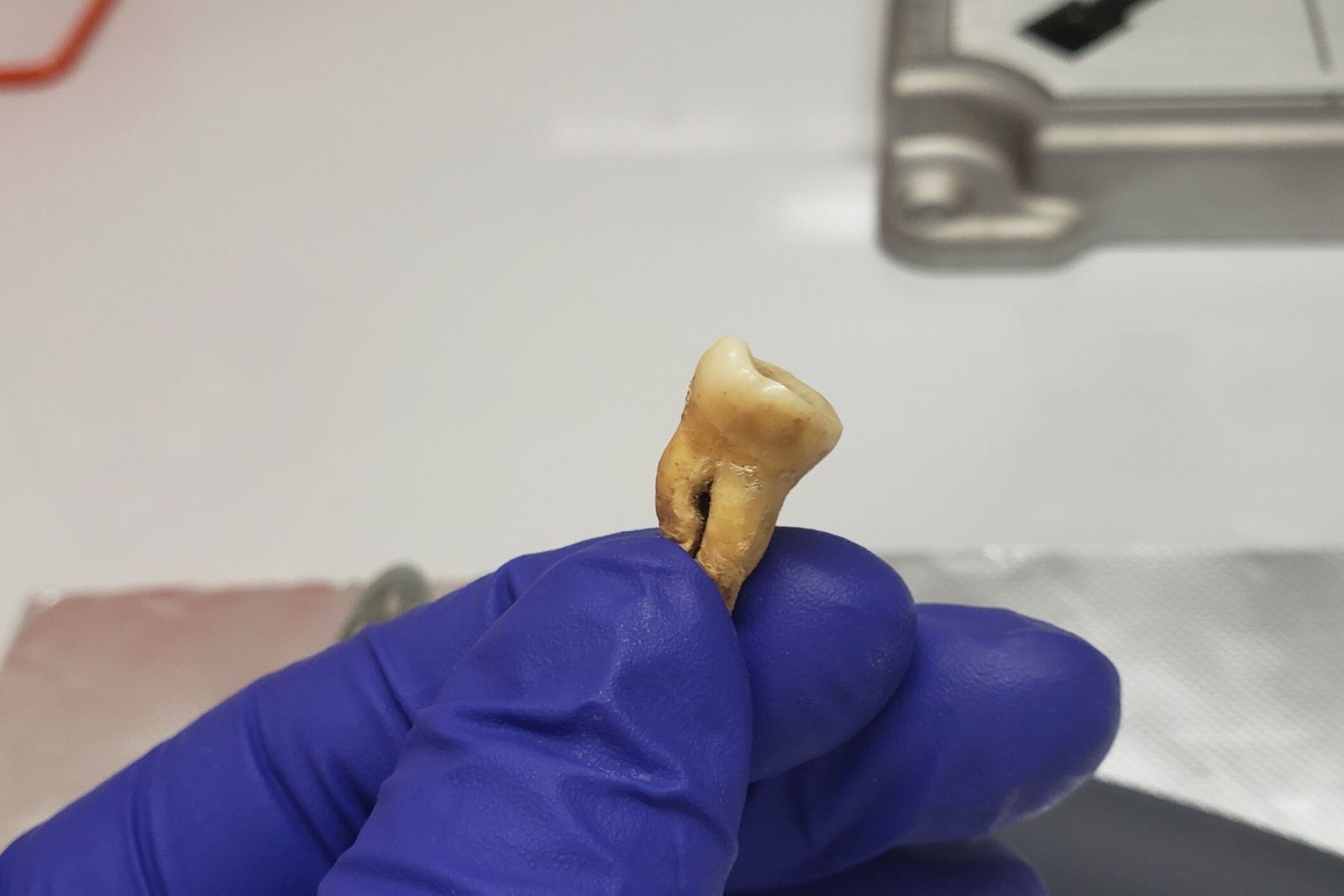
The Fall of the Roman Empire Was Less a Clash of Civilizations and More an Opportunity to Mix and Mingle, a New Genetics Study Shows
🖼️
0Read More

The Fall of the Roman Empire Was Less a Clash of Civilizations and More an Opportunity to Mix and Mingle, a New Genetics Study Shows

Smithsonian Magazine·Sonja Anderson·6 months ago
#ZsztoMjJ

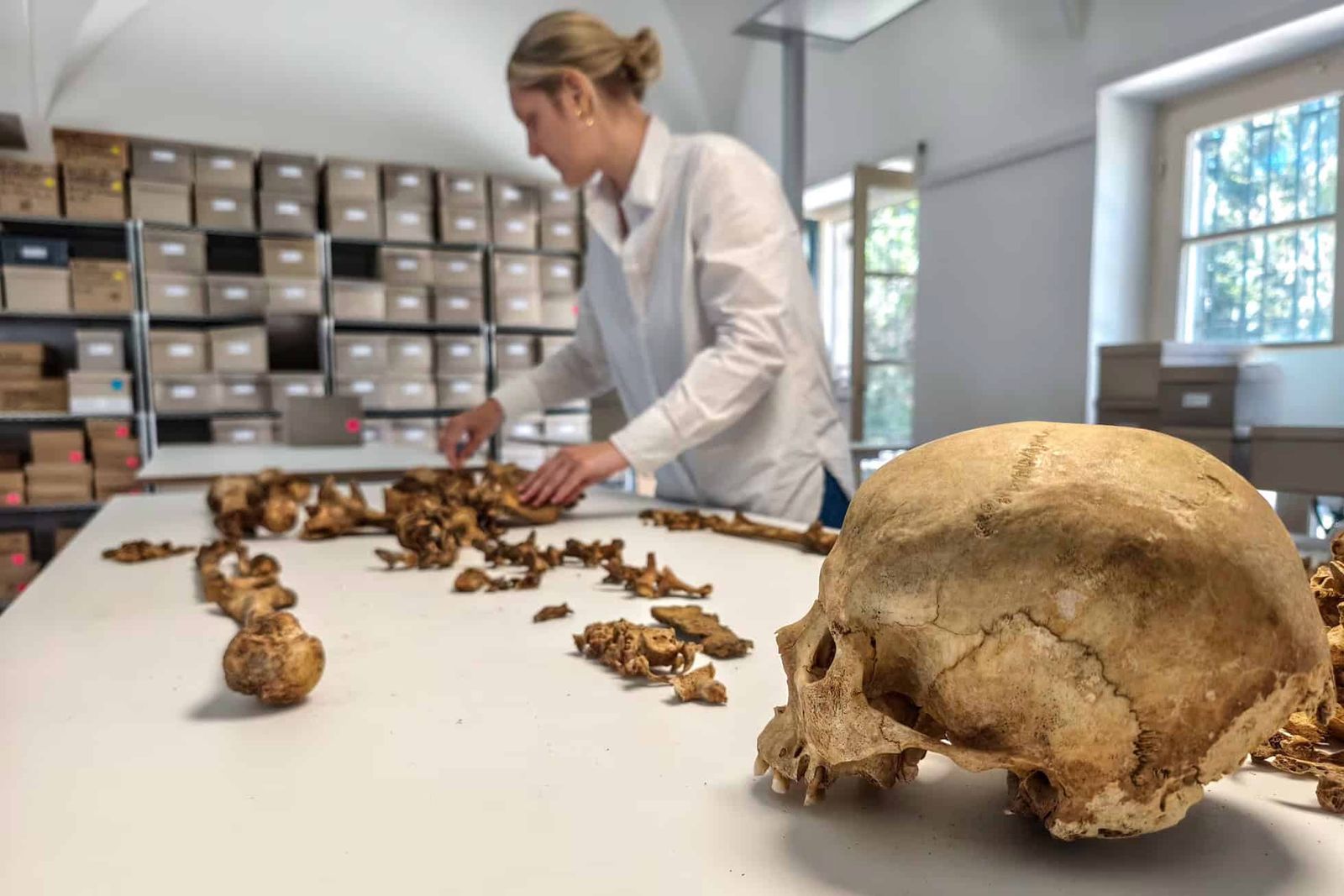
Researchers who analyzed genomes from early medieval graves in modern-day Germany hypothesize that people from the former Roman Empire formed families with Germanic people soon after the empire fell

15s
Dead Bodies Filled a Mass Grave When the First Plague Pandemic Struck This Early Medieval City. New Research Explores the Identity of the Victims
🖼️
0Read More

Dead Bodies Filled a Mass Grave When the First Plague Pandemic Struck This Early Medieval City. New Research Explores the Identity of the Victims

Smithsonian Magazine·Sonja Anderson·6 months ago
#m0tosckq
#newresearch#archaeology#bones#death#disease

From Latest articles | smithsonianmag.com: Dead Bodies Filled a Mass Grave When the First Plague Pandemic Struck This Early Medieval City. New Research Explores the Identity of the Victims

15s
This Man Fled Pompeii as Mount Vesuvius Erupted. Archaeologists Found Him 2,000 Years Later, Holding a Bowl to Protect His Head and a Lamp to Light His Way
🖼️
0Read More

This Man Fled Pompeii as Mount Vesuvius Erupted. Archaeologists Found Him 2,000 Years Later, Holding a Bowl to Protect His Head and a Lamp to Light His Way

Smithsonian Magazine·Ellen Wexler·6 months ago
#NMX7wteO

From Latest articles | smithsonianmag.com: This Man Fled Pompeii as Mount Vesuvius Erupted. Archaeologists Found Him 2,000 Years Later, Holding a Bowl to Protect His Head and a Lamp to Light His Way

15s
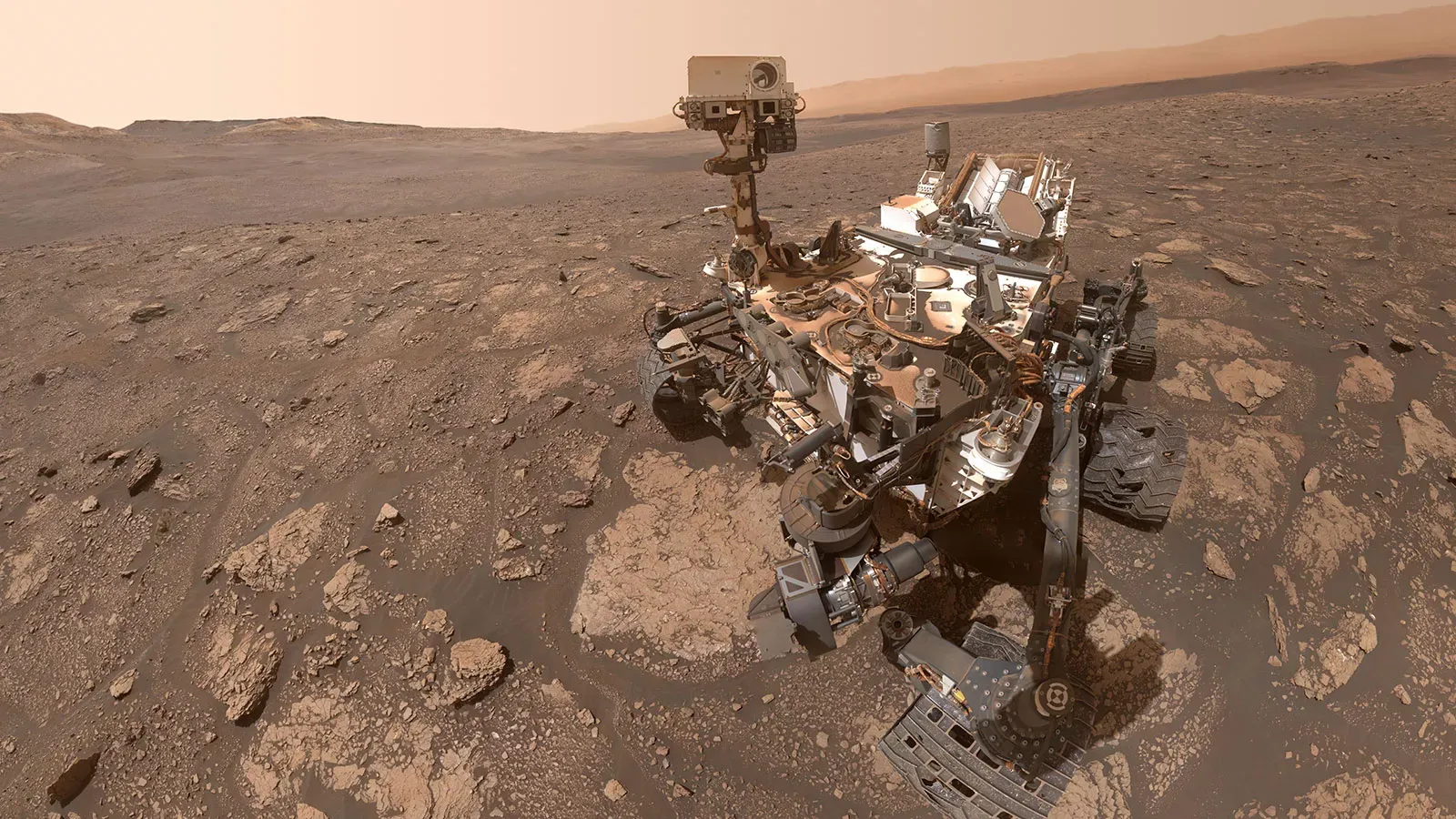
A Mars Rover Found Building Blocks of Life Never Seen on the Red Planet Before, Boosting the Case for Ancient Habitability
📰
0Read More

A Mars Rover Found Building Blocks of Life Never Seen on the Red Planet Before, Boosting the Case for Ancient Habitability

Smithsonian Magazine·Carlyn Kranking·6 months ago
#Vw1tzVhp
#chemistry#geology#mars#nasa#newresearch

From Latest articles | smithsonianmag.com: A Mars Rover Found Building Blocks of Life Never Seen on the Red Planet Before, Boosting the Case for Ancient Habitability

15s
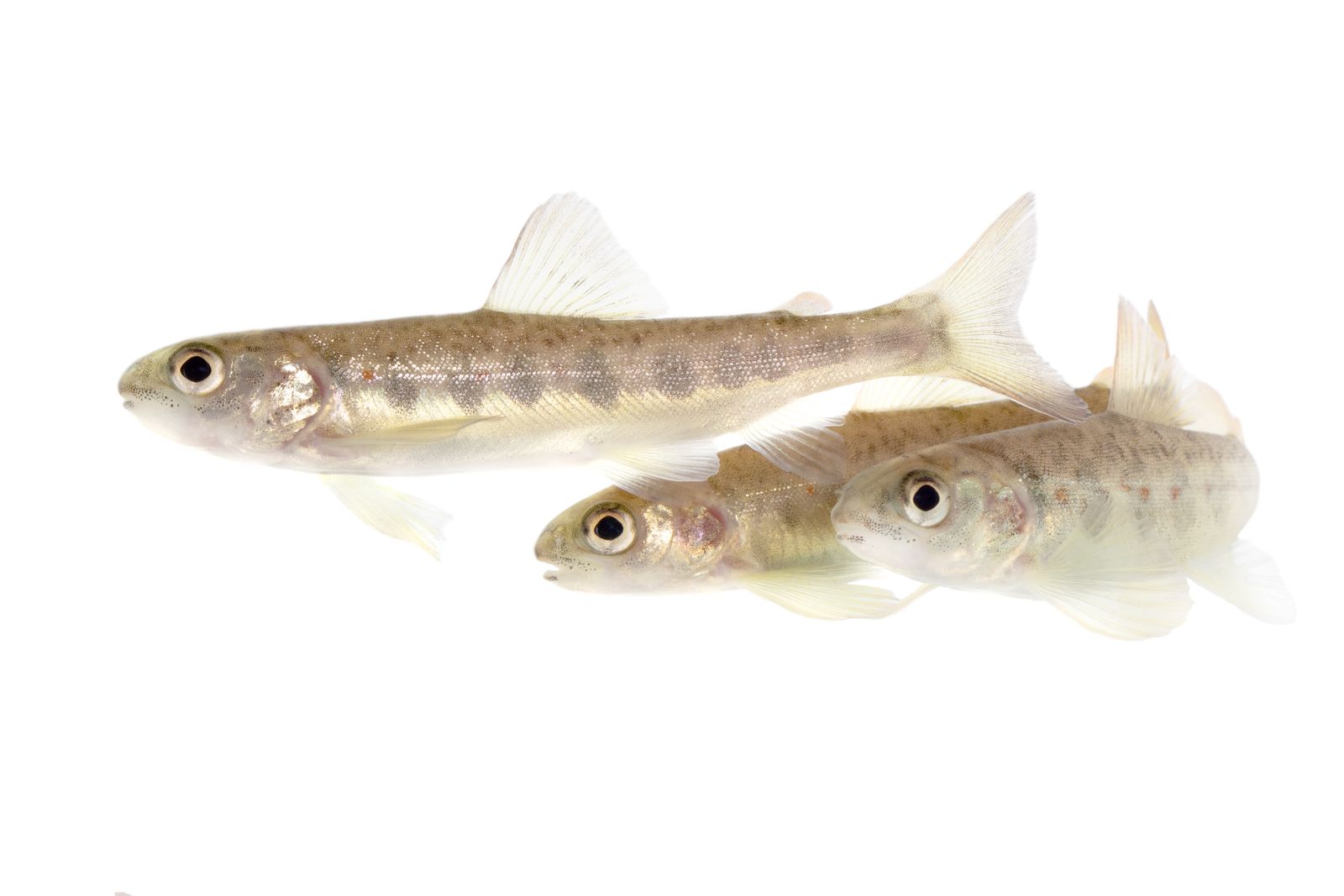
Cocaine Pollution Seems to Make Salmon Swim Faster and Farther Than Usual. Scientists Don't Know the Long-Term Consequences
📰
0Read More

Cocaine Pollution Seems to Make Salmon Swim Faster and Farther Than Usual. Scientists Don't Know the Long-Term Consequences

Smithsonian Magazine·Sarah Kuta·6 months ago
#i8inw9Mx

The illegal drug’s main byproduct, benzoylecgonine, caused more robust effects than cocaine itself. Wastewater treatment plants often don't fully process such metabolites, so they are frequently found in bodies of water at higher concentrations than their…

15s
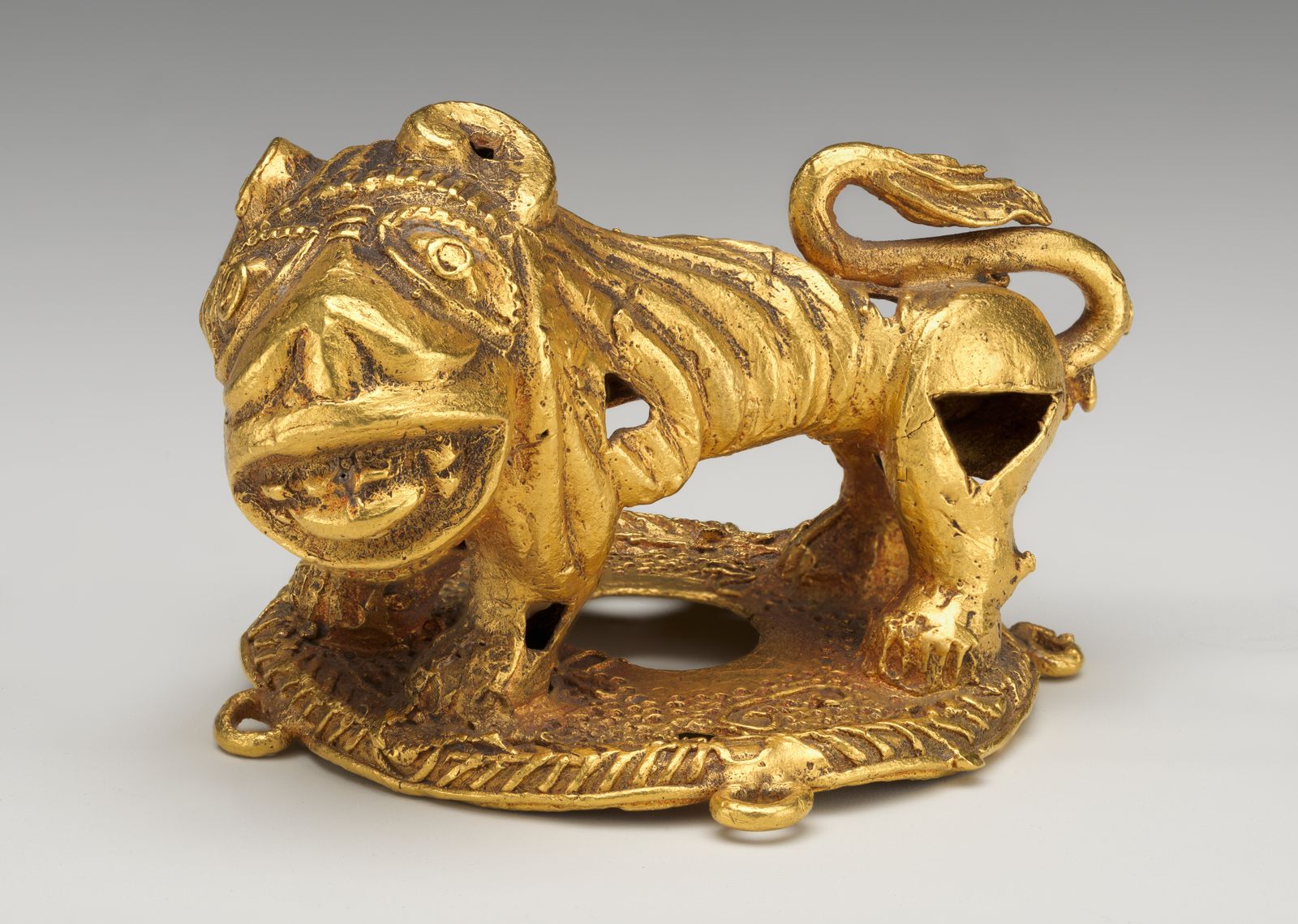
Pirate Shipwreck Off the Coast of Cape Cod Sets the Historical Record Straight on West African Gold
🖼️
0Read More

Pirate Shipwreck Off the Coast of Cape Cod Sets the Historical Record Straight on West African Gold

Smithsonian Magazine·Ryley Graham·6 months ago
#EXINEmbQ
#newresearch#africa#chemistry#gold#history

Europeans spread rumors about degraded gold from their Akan trade partners. A new analysis of artifacts from the "Whydah Gally" shipwreck tells a different story

15s
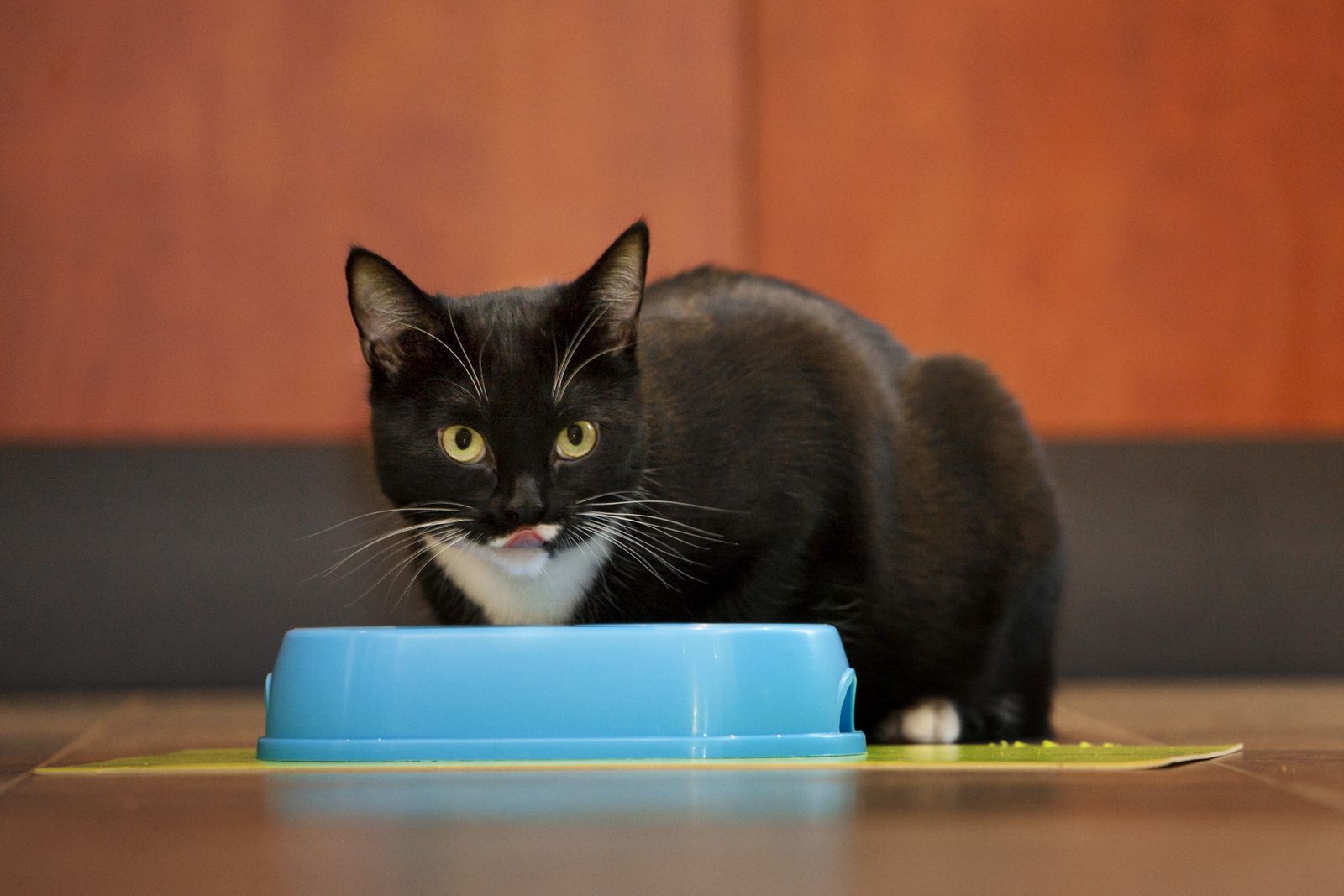
Does Your Cat Always Leave Behind a Half-Full Bowl of Food? New Research Points to Why Our Furry Friends Can Be Such Picky Eaters
🖼️
0Read More

Does Your Cat Always Leave Behind a Half-Full Bowl of Food? New Research Points to Why Our Furry Friends Can Be Such Picky Eaters

Smithsonian Magazine·Margherita Bassi·7 months ago
#acPBwicK

From Latest articles | smithsonianmag.com: Does Your Cat Always Leave Behind a Half-Full Bowl of Food? New Research Points to Why Our Furry Friends Can Be Such Picky Eaters

15s
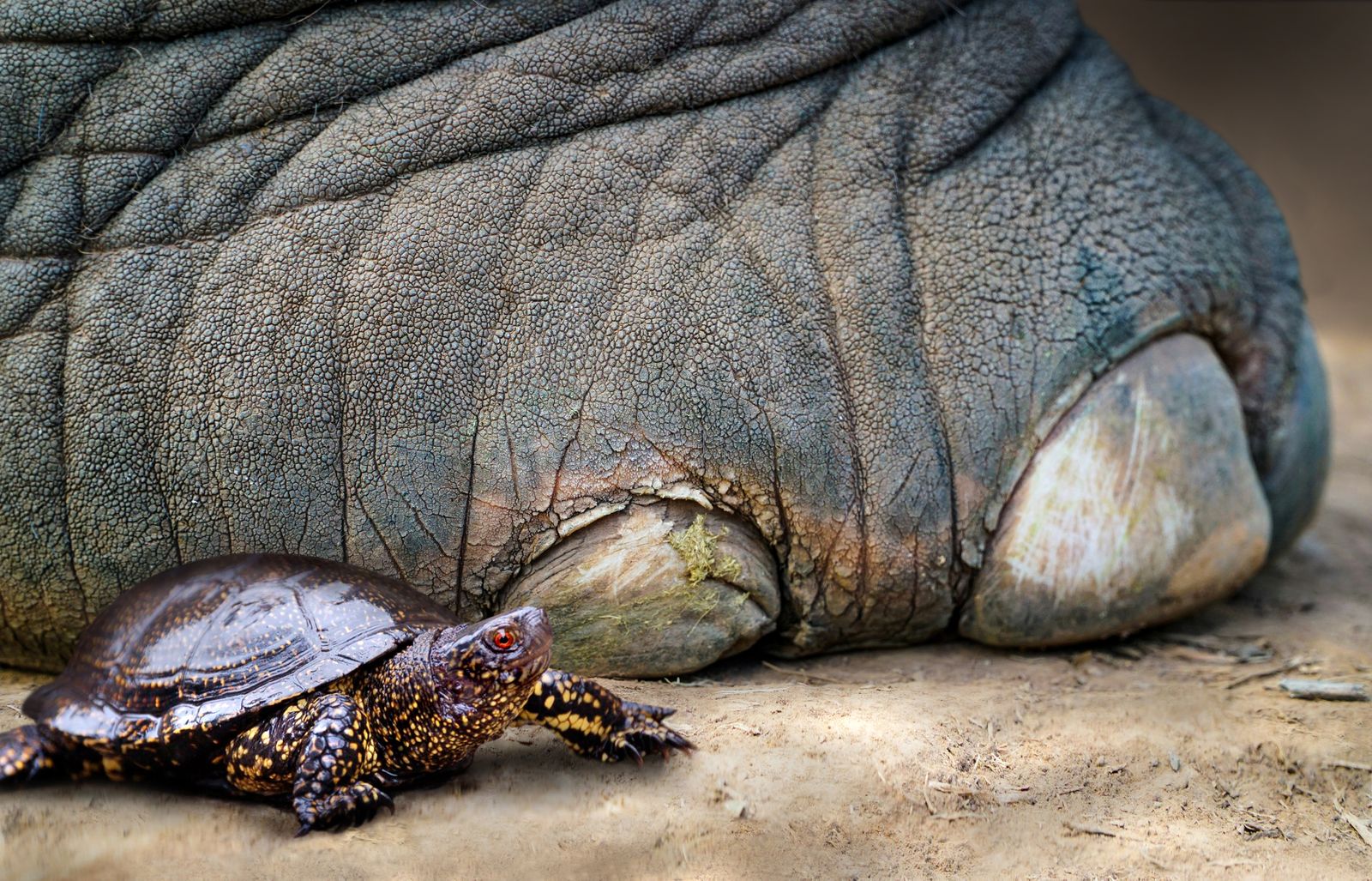
Turtles May Have Been Tasty Snacks for Neanderthals 125,000 Years Ago. But Their Shells Were Probably the Real Prize
🖼️
0Read More

Turtles May Have Been Tasty Snacks for Neanderthals 125,000 Years Ago. But Their Shells Were Probably the Real Prize

Smithsonian Magazine·Sarah Kuta·7 months ago
#9AH9Jlsm

From Latest articles | smithsonianmag.com: Turtles May Have Been Tasty Snacks for Neanderthals 125,000 Years Ago. But Their Shells Were Probably the Real Prize
15s