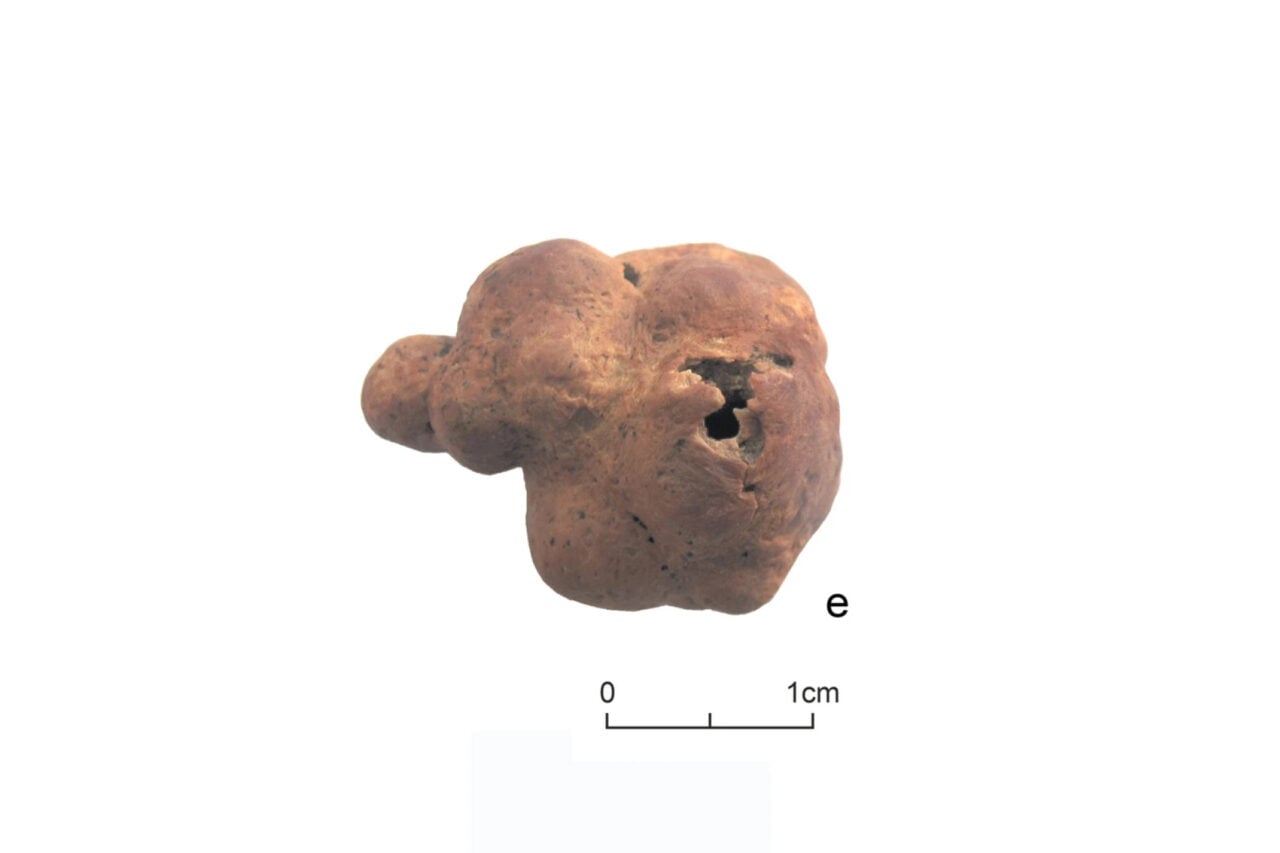
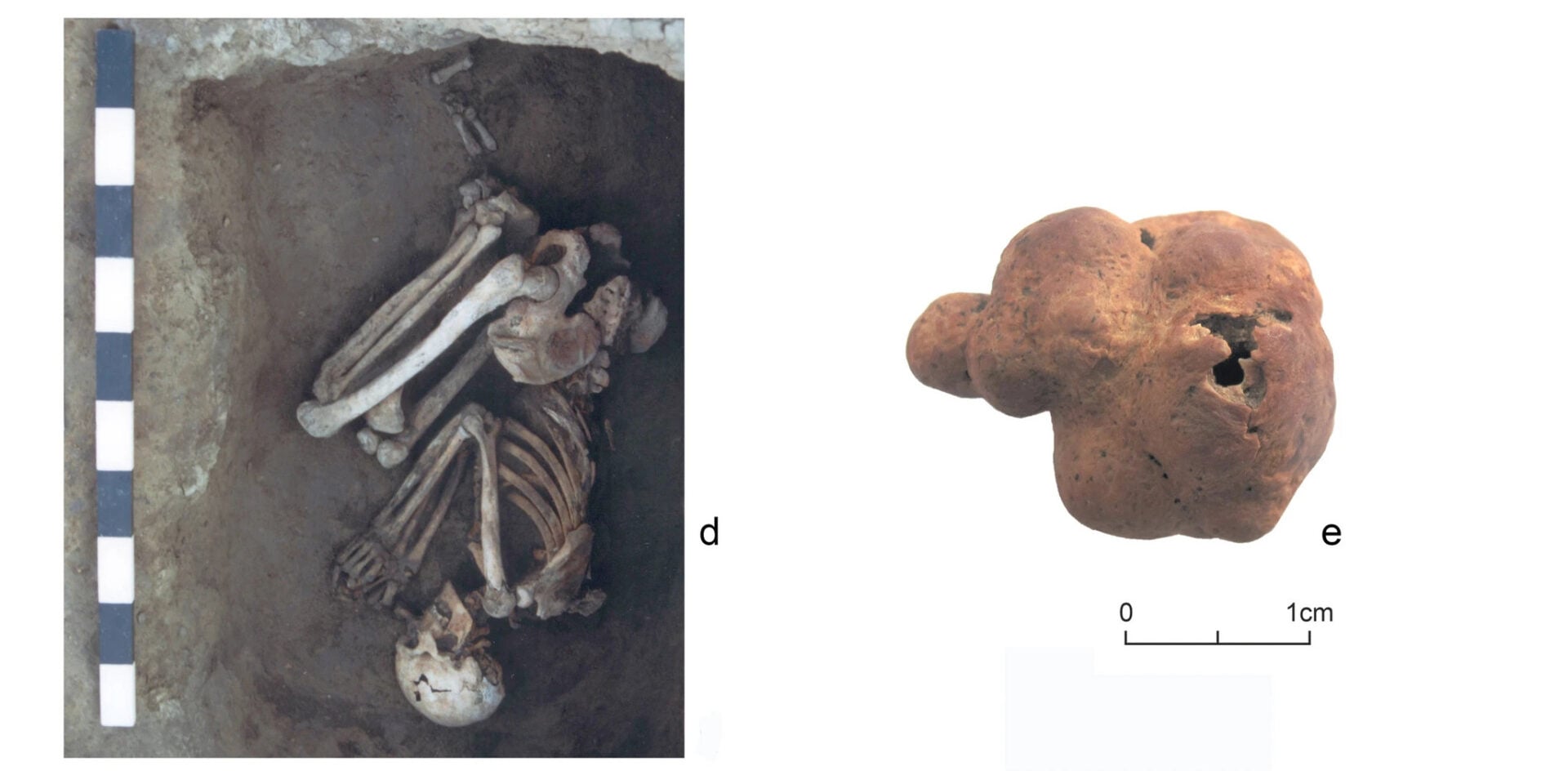
Life wasn’t easy for folks in the Bronze Age, but it seems to have been especially difficult for a particular man whose remains were discovered in Russia. His bones showed various fractures and cysts, pointing to a physically laborious lifestyle. But worst of all, he suffered from something many of us dread—kidney stones.
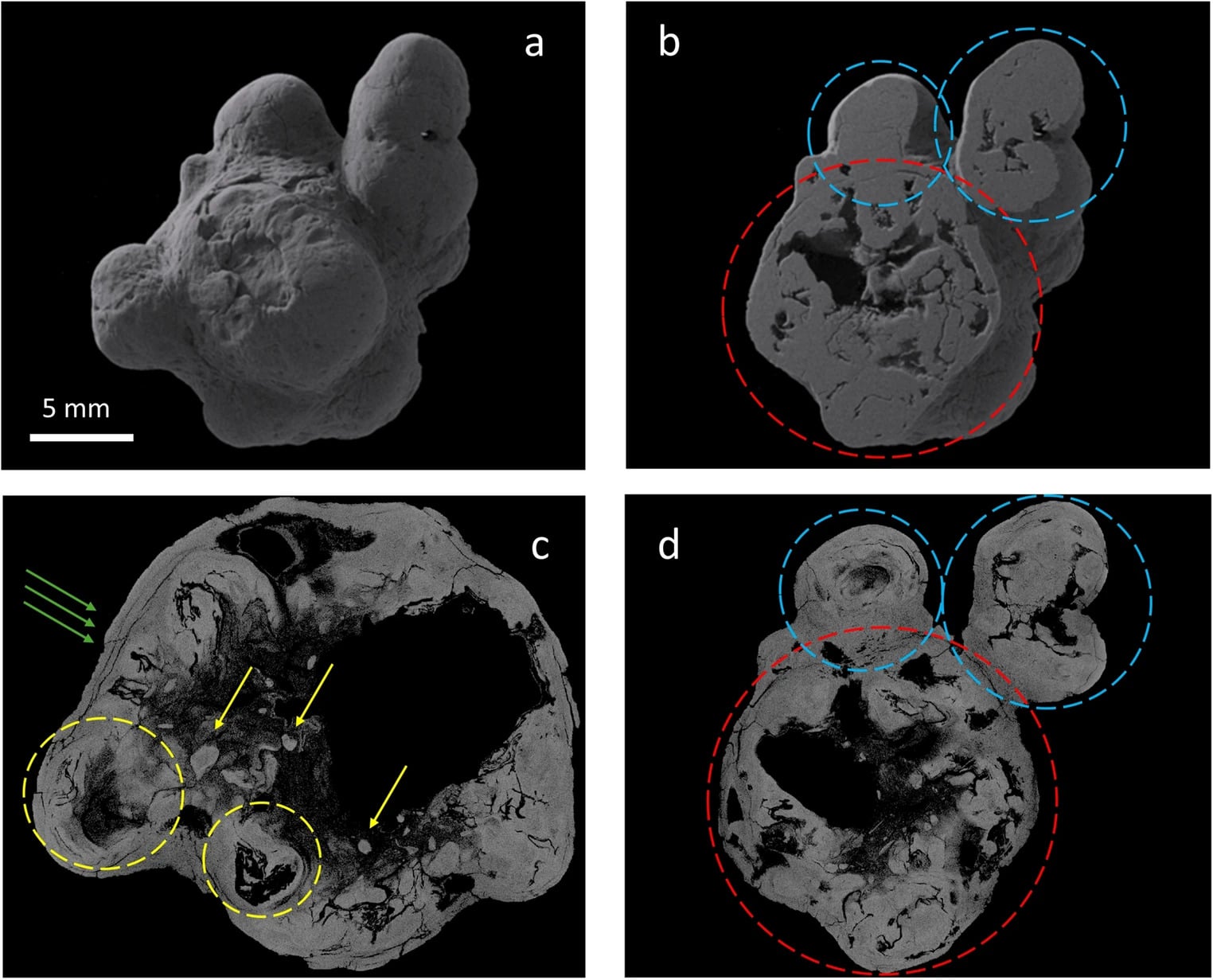
In a study published in Archaeological and Anthropological Sciences , archaeologists report the discovery of what they call a “urinary stone of infectious origin” belonging to a man buried at the Ipatovo-5 cemetery in Russia. Based on available evidence, the team believes the stone most likely comes from the upper urinary tract , which includes the kidneys and ureters. The stone measured around 0.8 by 0.7 inches (21 by 17 millimeters) and has a brownish color with a roundish shape and several protrusions.…