The appearance of life on Earth is still a mystery. It's constrained by a few factors; for instance, the Earth had to have cooled before life could get started, and there had to be some liquid water, the right chemicals, and an energy source. But most of the details are hidden in the deep past.
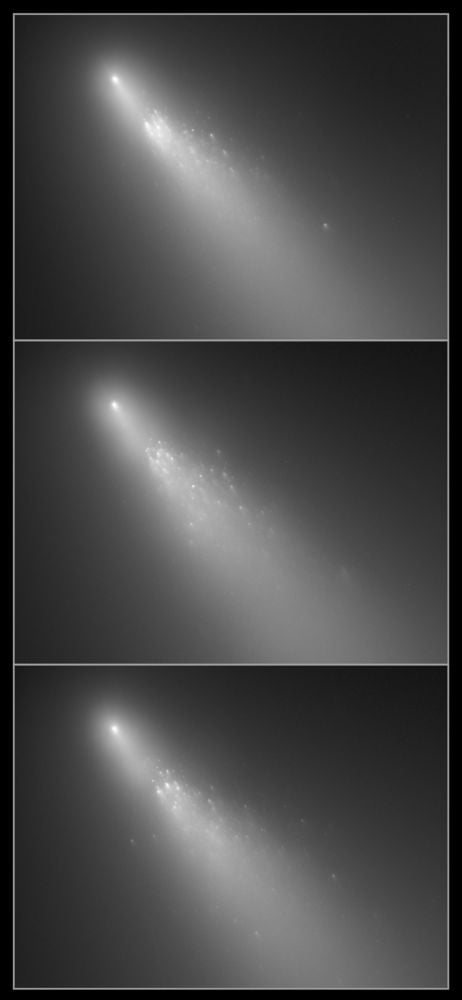
As science has progressed and our observing power has advanced, some pieces of evidence have emerged that carry tantalizing hints at the bigger picture of life appearing on Earth. Scientists have found that comets carry important organic compounds. That has led to the hypothesis that comets could have seeded Earth with chemistry that led to abiogenesis . These include the amino acid glycine, phosphorous, and hydrogen cyanide (HCN), a chemical compound of particular importance.
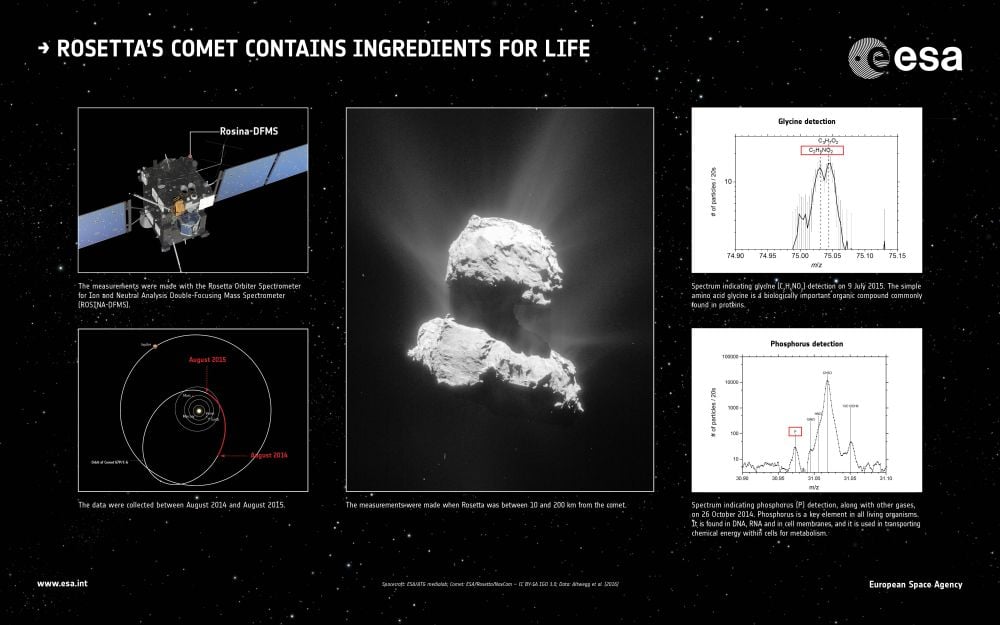
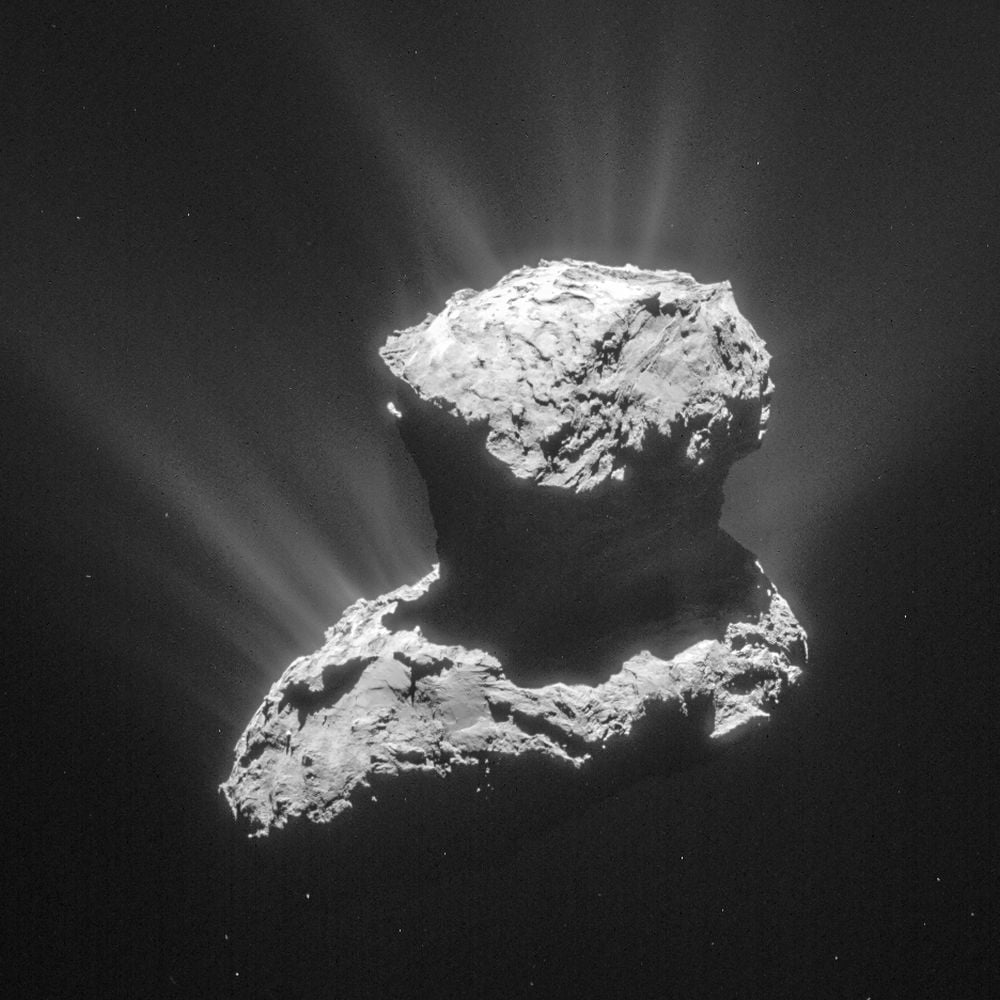
The ESA's Rosetta mission, which included the Philae Lander, visited the comet 67P/Churyumov–Gerasimenko in 2014 and detected glycine, an amino acid, and phosphorous, an organic chemical.…