Key takeaways
Cyberthreats have evolved into machine-scale attacks, creating an operational “speed gap” where AI systems generate functional exploits in less than 10 minutes — rendering multiday patch cycles ineffective.
Frontier large language models (LLMs) do not execute attacks directly; they act as orchestrators (“brains”) that perform complex code analysis while secondary tools like headless browsers (“hands”) carry out web requests.
Offensive workflows leverage protocols like Model Context Protocol (MCP) and multitool platforms to automate reconnaissance, probe vulnerabilities, and repeatedly execute exploits until they succeed.
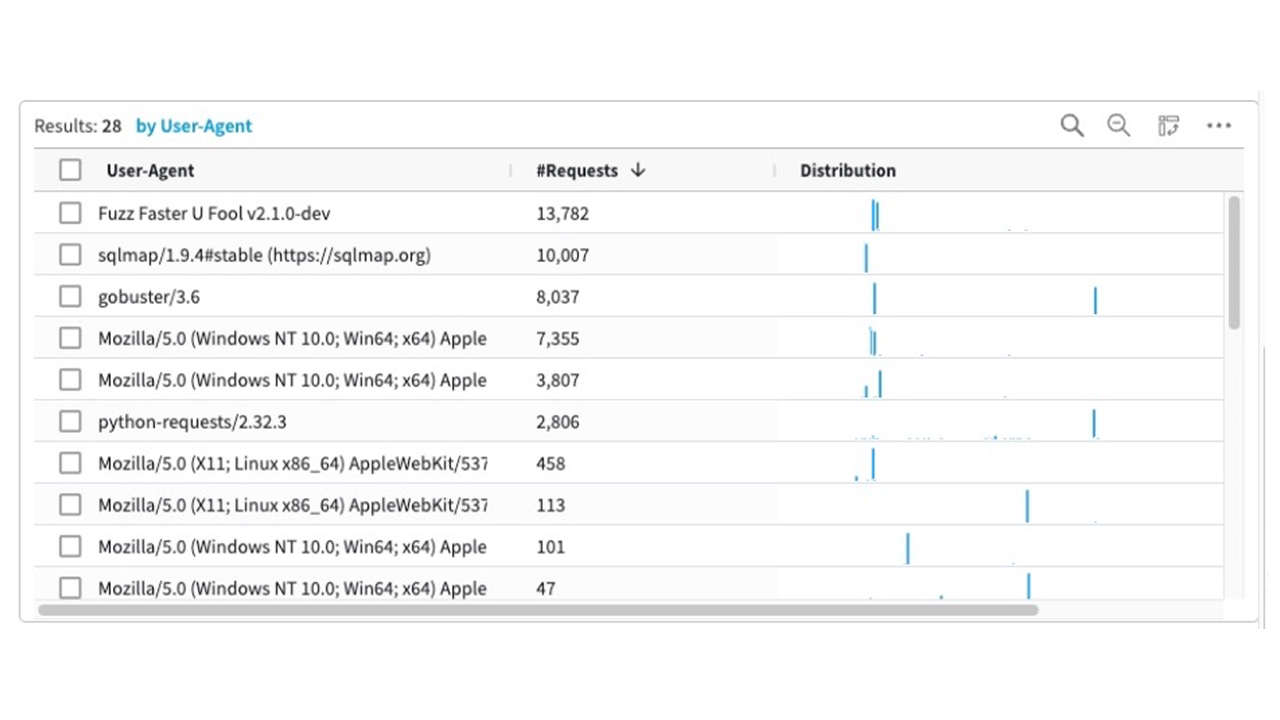
AI-orchestrated attacks obfuscate their origin by spoofing standard User-Agent headers, preventing legacy web application firewalls (WAFs) from detecting malicious activity via static signatures.
Mitigating autonomous threat pipelines requires real-time behavioral analytics and automated defenses deployed directly at the edge to identify probing activity before weaponized…