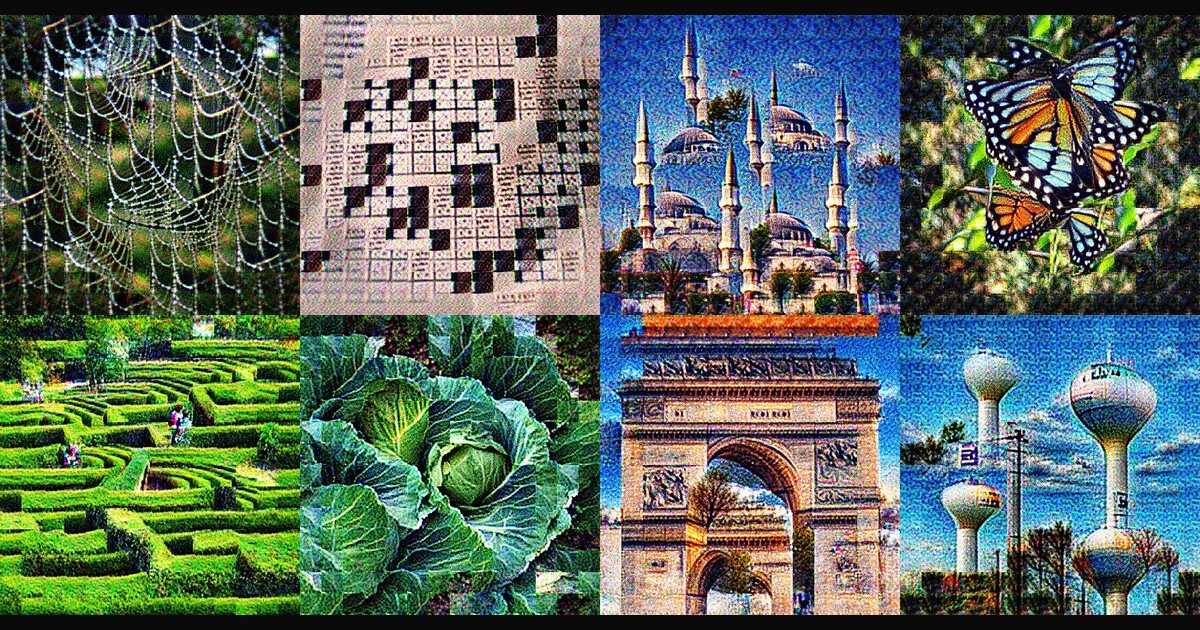
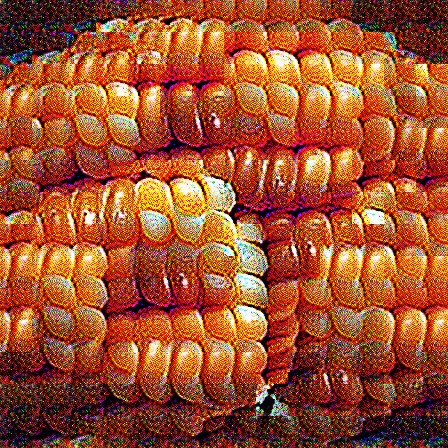
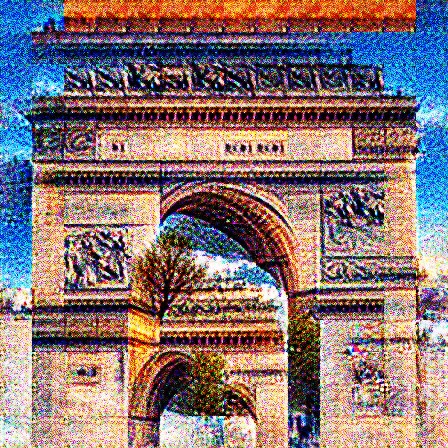
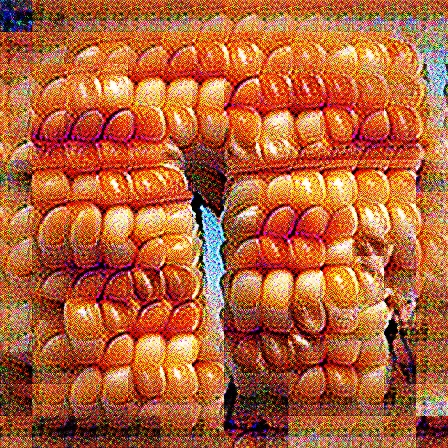
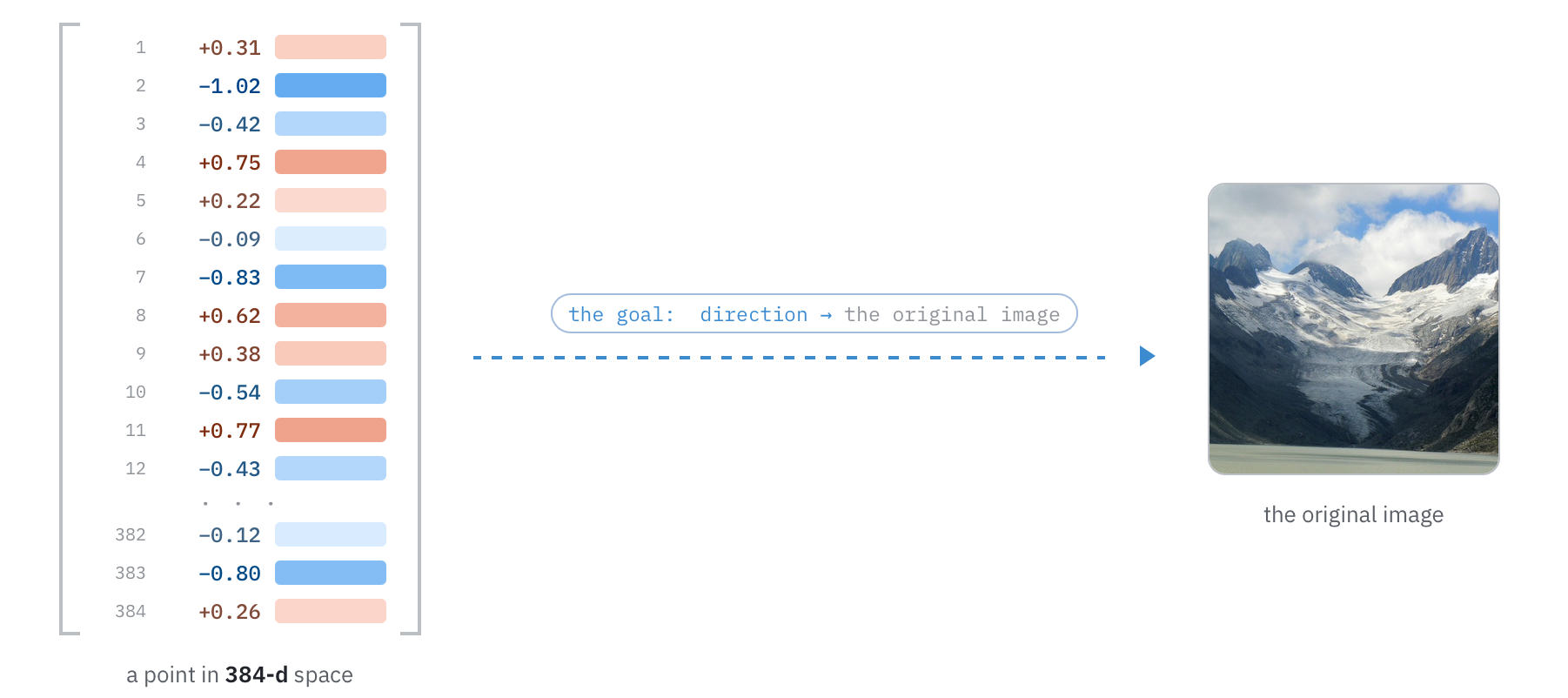
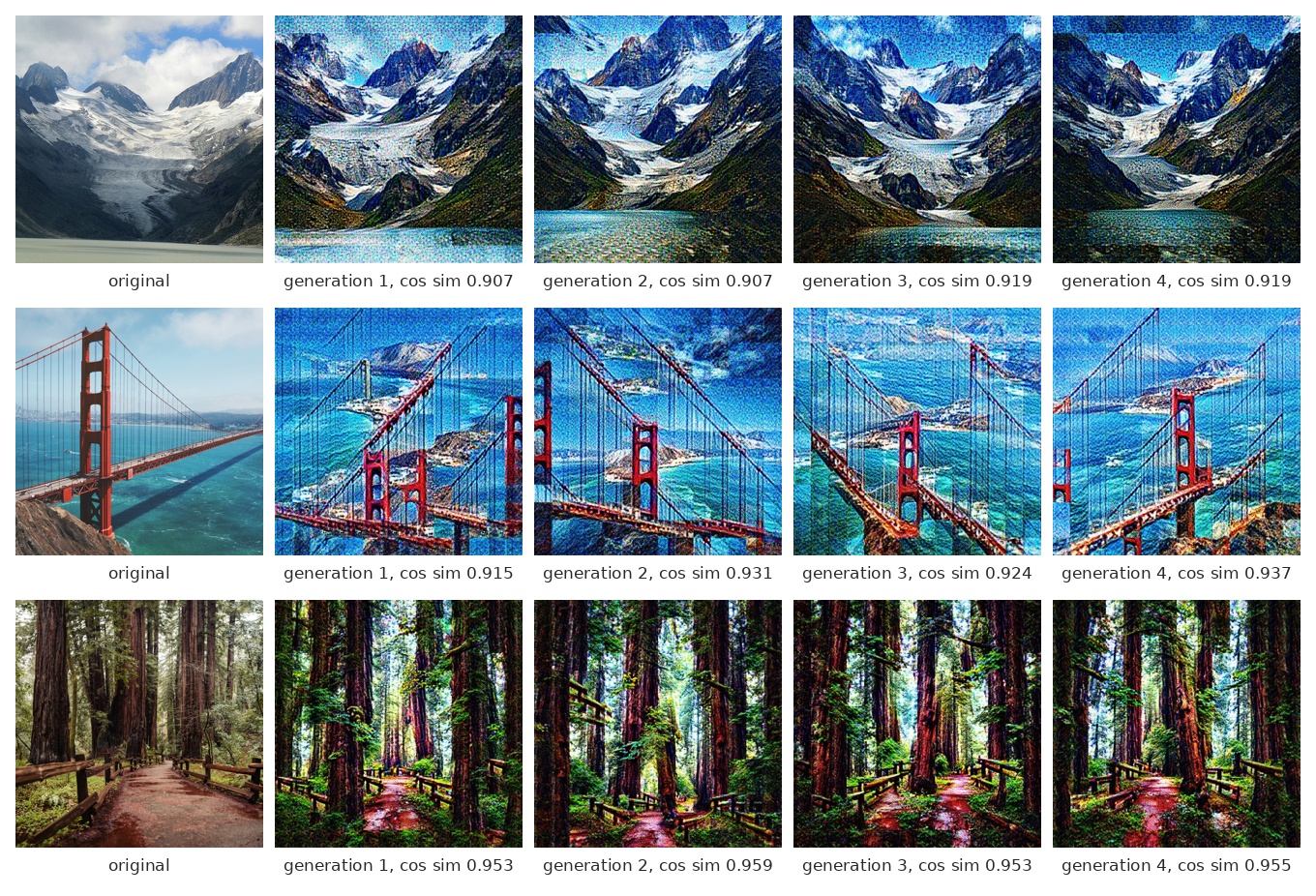
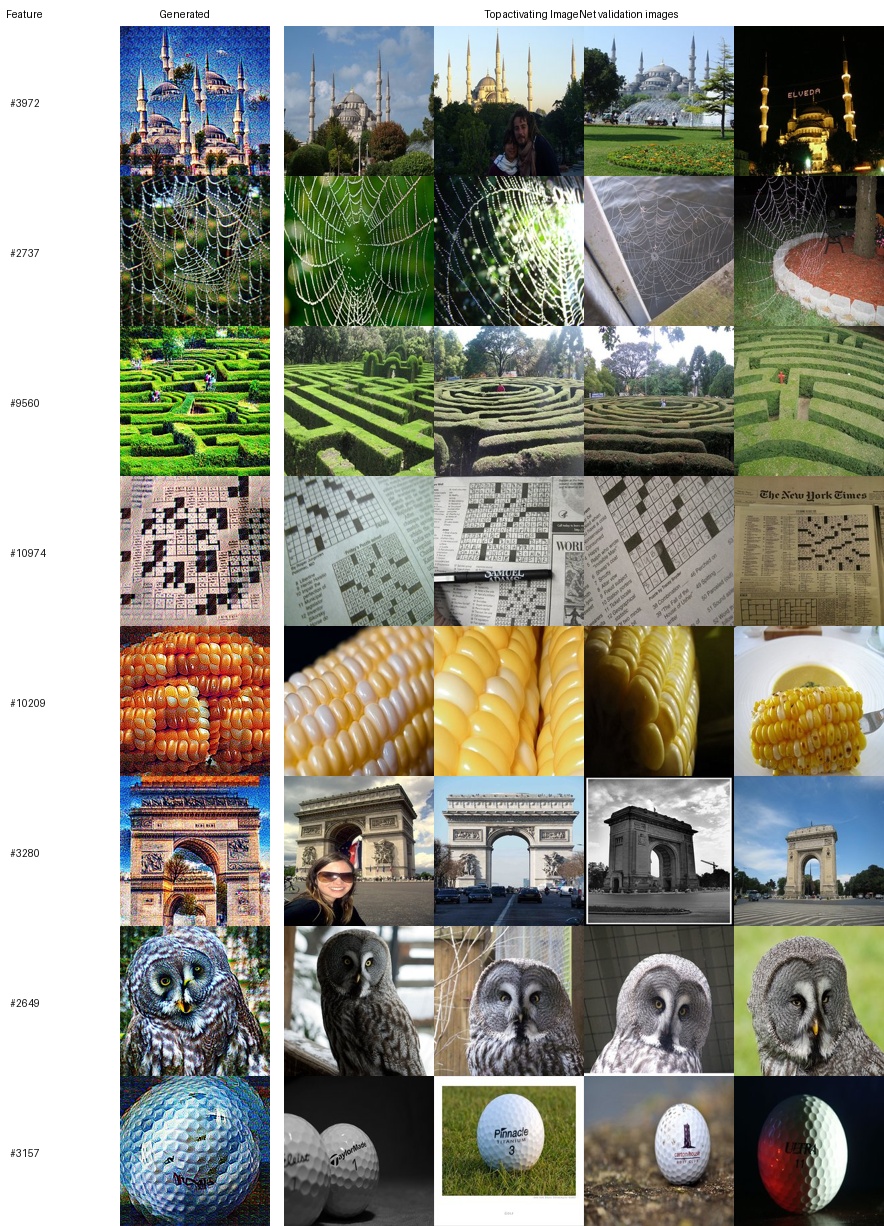
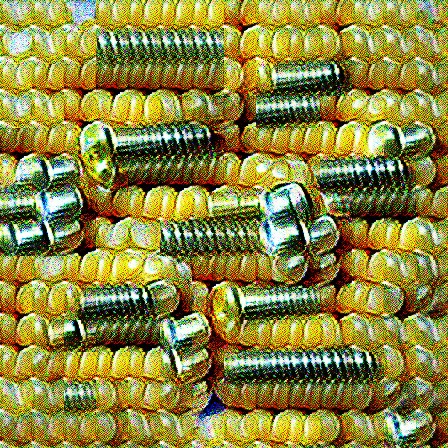
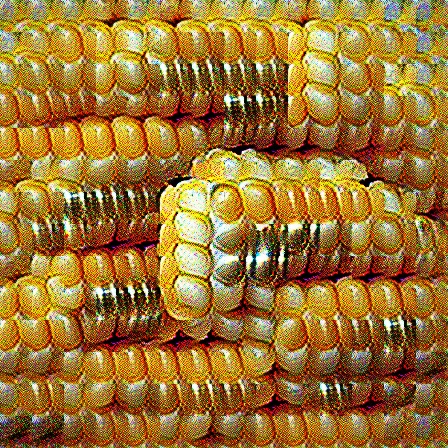
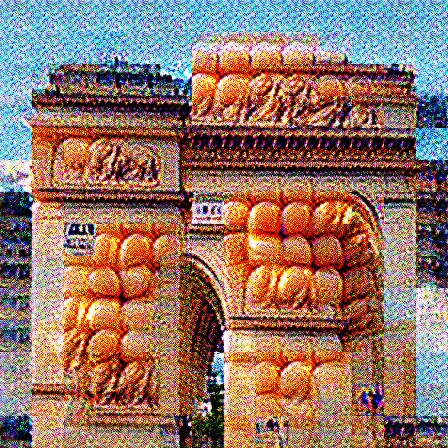
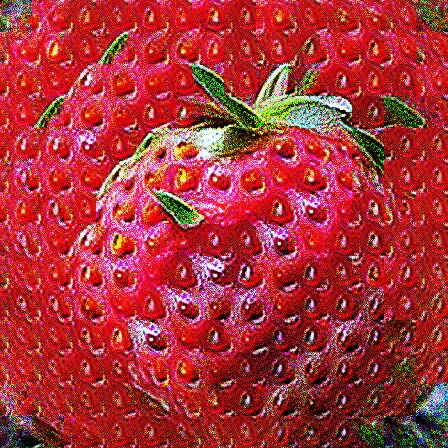
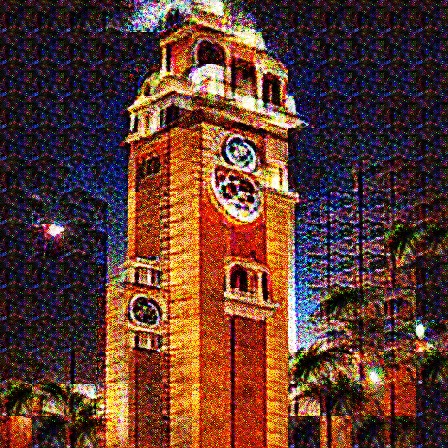
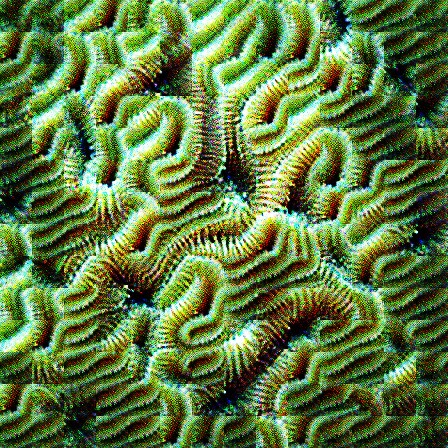
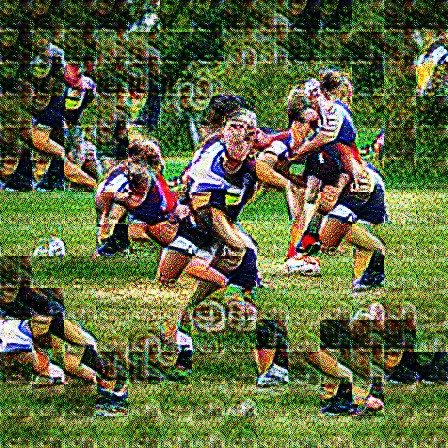
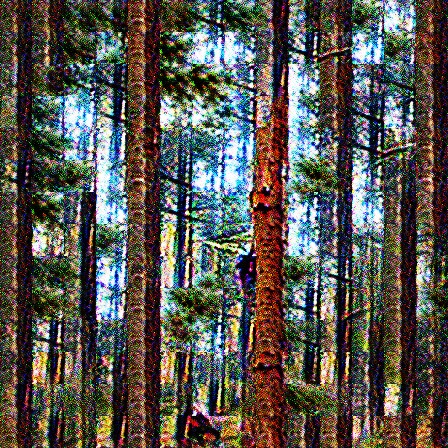
Corn kernels + Triumphal Arch = Kernel Arch Embeddings are, in a sense, the native language of neural networks. They are how networks can encode a rich variety of semantically meaningful representations with just a list of numbers. However, those numbers are frustratingly opaque. You certainly won't be able to make sense of them by reading them one after another. In this post, we try to make sense of one neural network's embeddings. The Model The model we're going to be looking at in this post is DINOv3 ViT-S (Siméoni et al., 2025) . DINOv3 is interesting because it learns to map raw pixels to a rich feature space with very few priors. It doesn't know language, it can't describe what it sees, but it still learns to make sense of images. We won't go into full detail about how DINOv3 was trained, but two things matter for this post: it compresses any image into a single embedding (a list of 384 numbers) and it was trained so that different crops and augmentations of an image will have similar embeddings.…