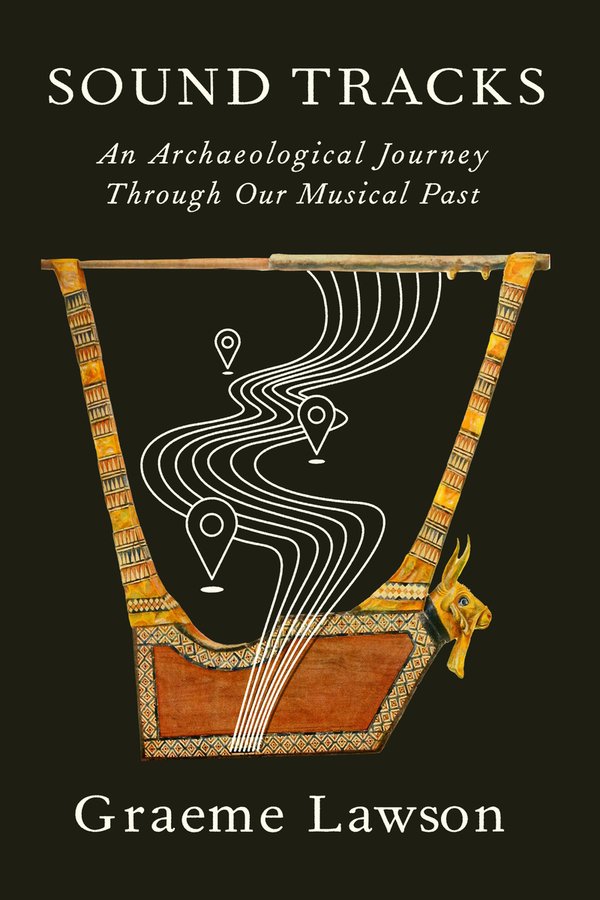
Today, written notes are such a large part of a Western musical education that the word “music” has often come to mean exactly that: sheet music or a printed score. Musicians and their teachers set great store by literacy: by the ability not only to read and write music but also to sight-read a score in real time, in the same way that we read and write words and numbers. But it hasn’t always been this way. It’s time now to take a closer look at music at an important moment of transition, to see how some of its very earliest written forms might play into the history and prehistory of performance.
Article continues after advertisement
Since time immemorial, people in Europe had been playing and transmitting songs and tunes, lyrics and melodies, from memory. But about ten centuries ago, as the people of Schleswig were tuning up their bone flutes, something new happened. For some people the oral tradition no longer seemed sufficient, and instead they began to visualize ways of writing down tunes.…