20 min read
UX , UI , Design , Mental Health
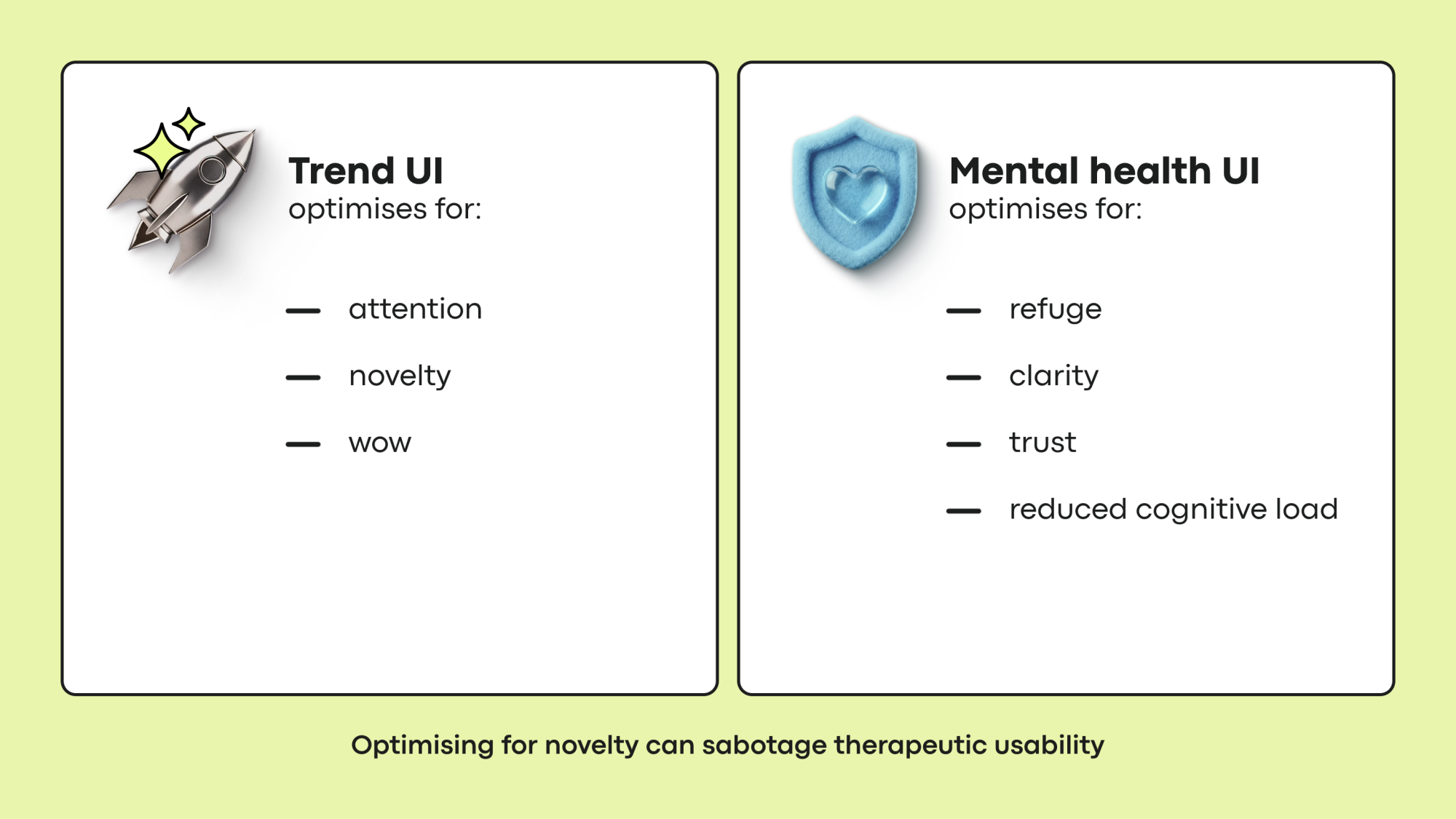
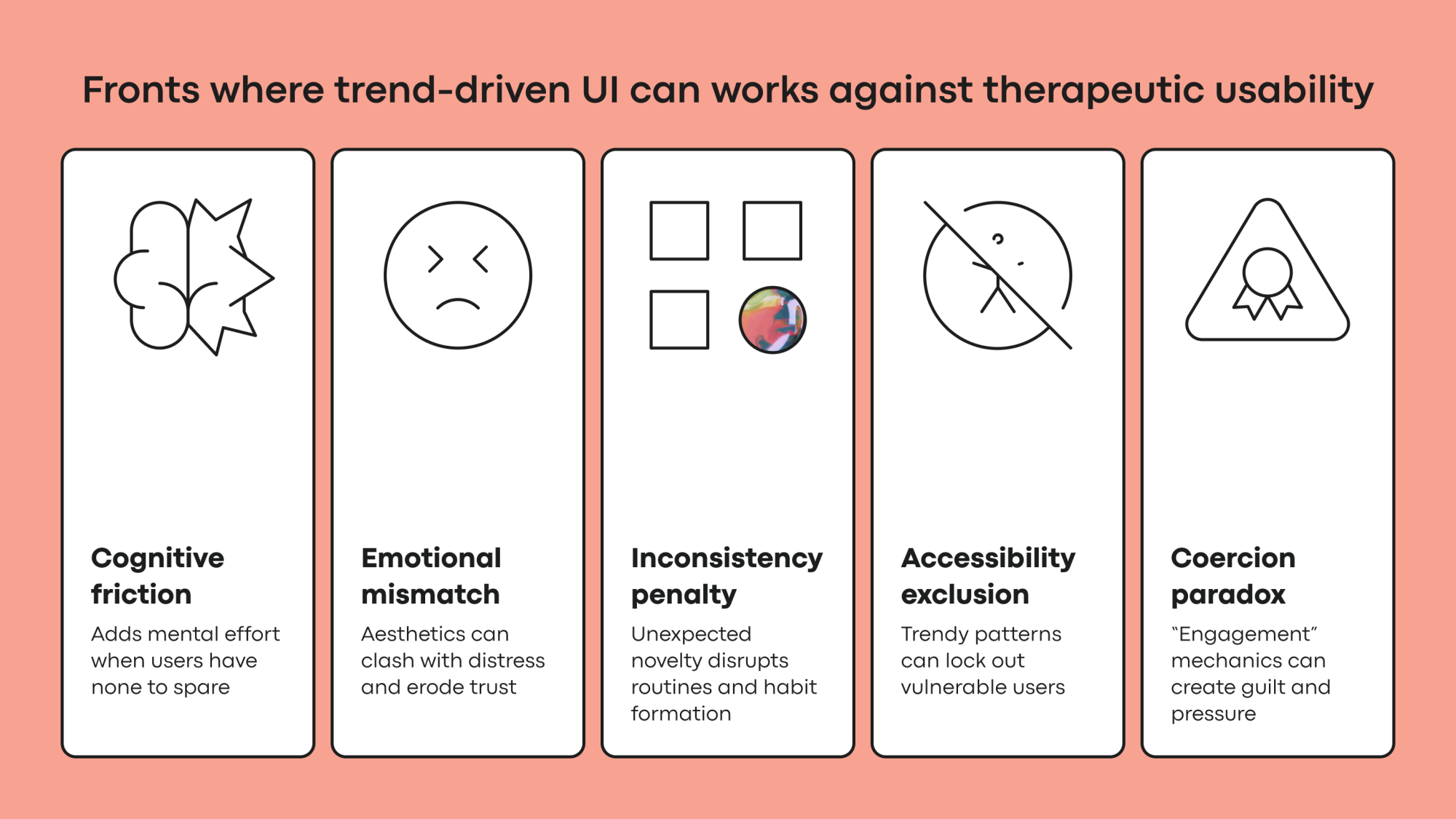
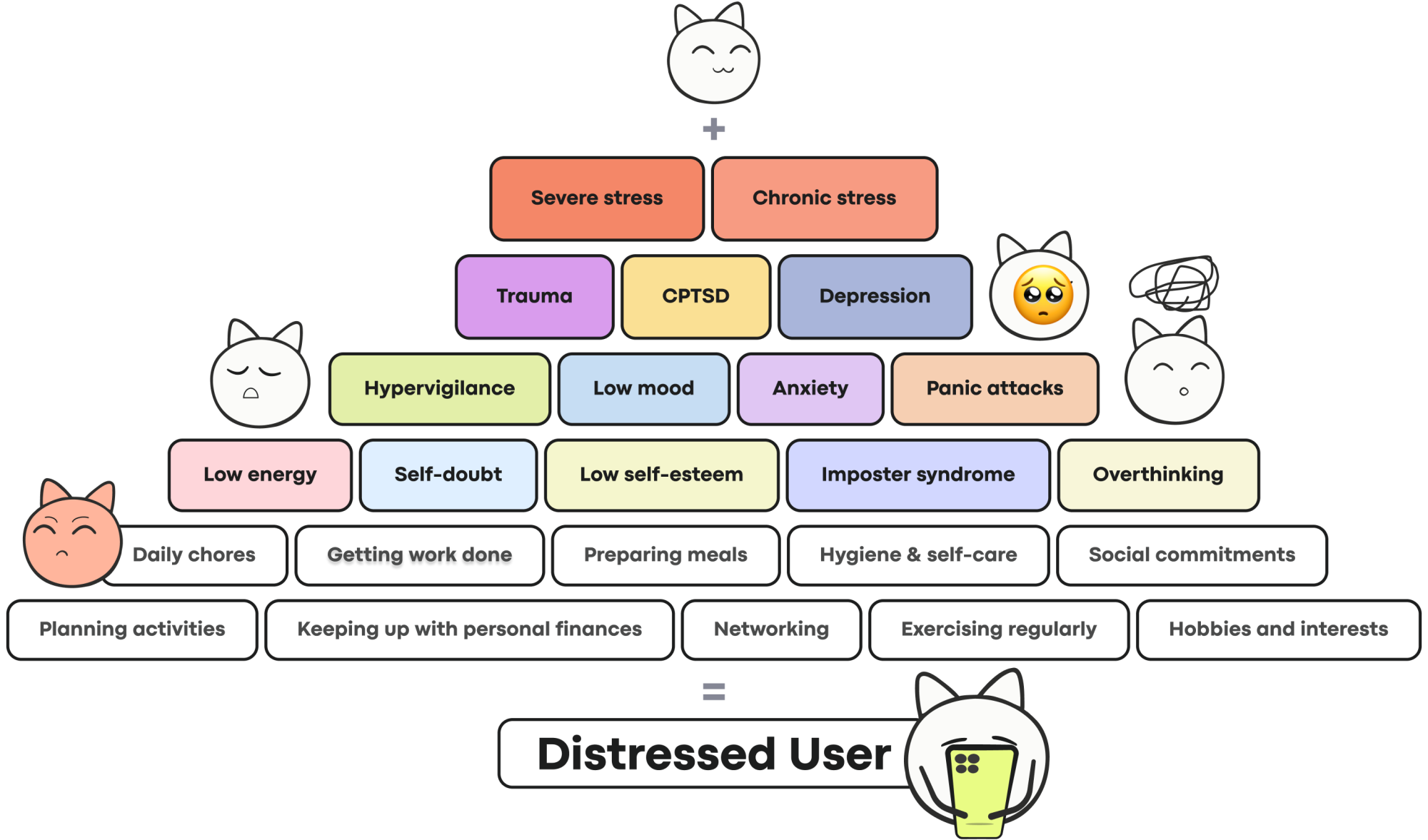
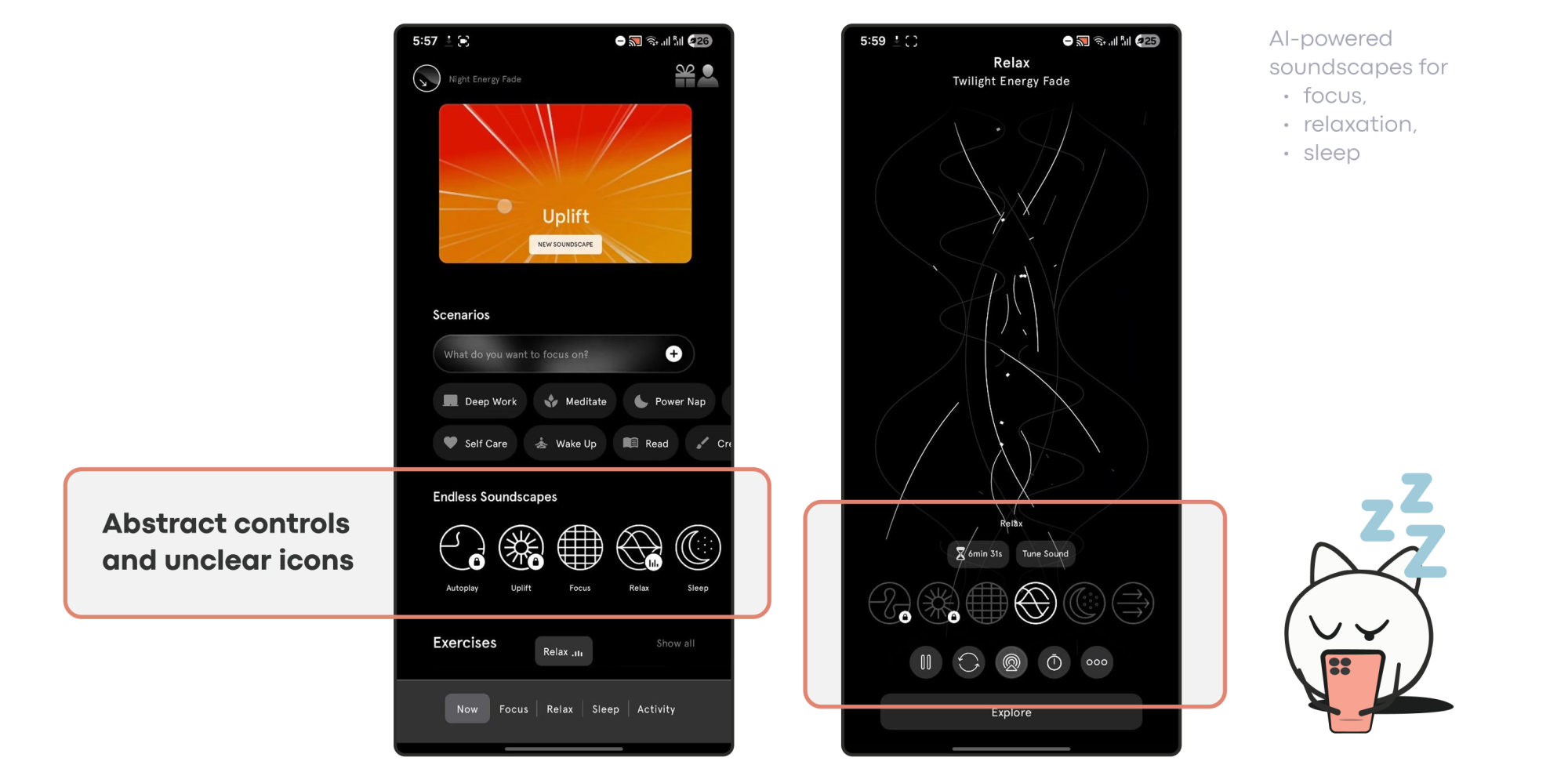
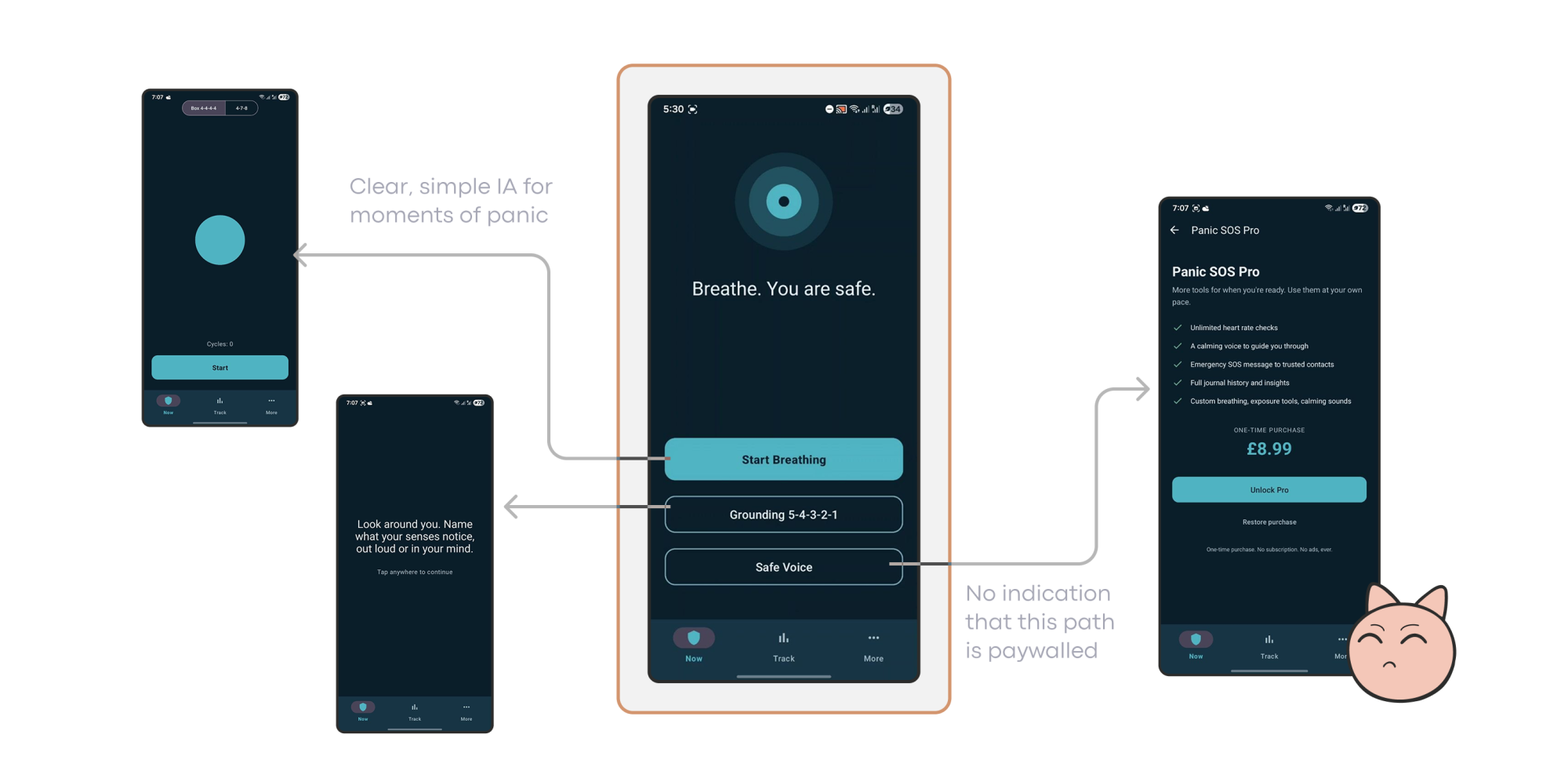
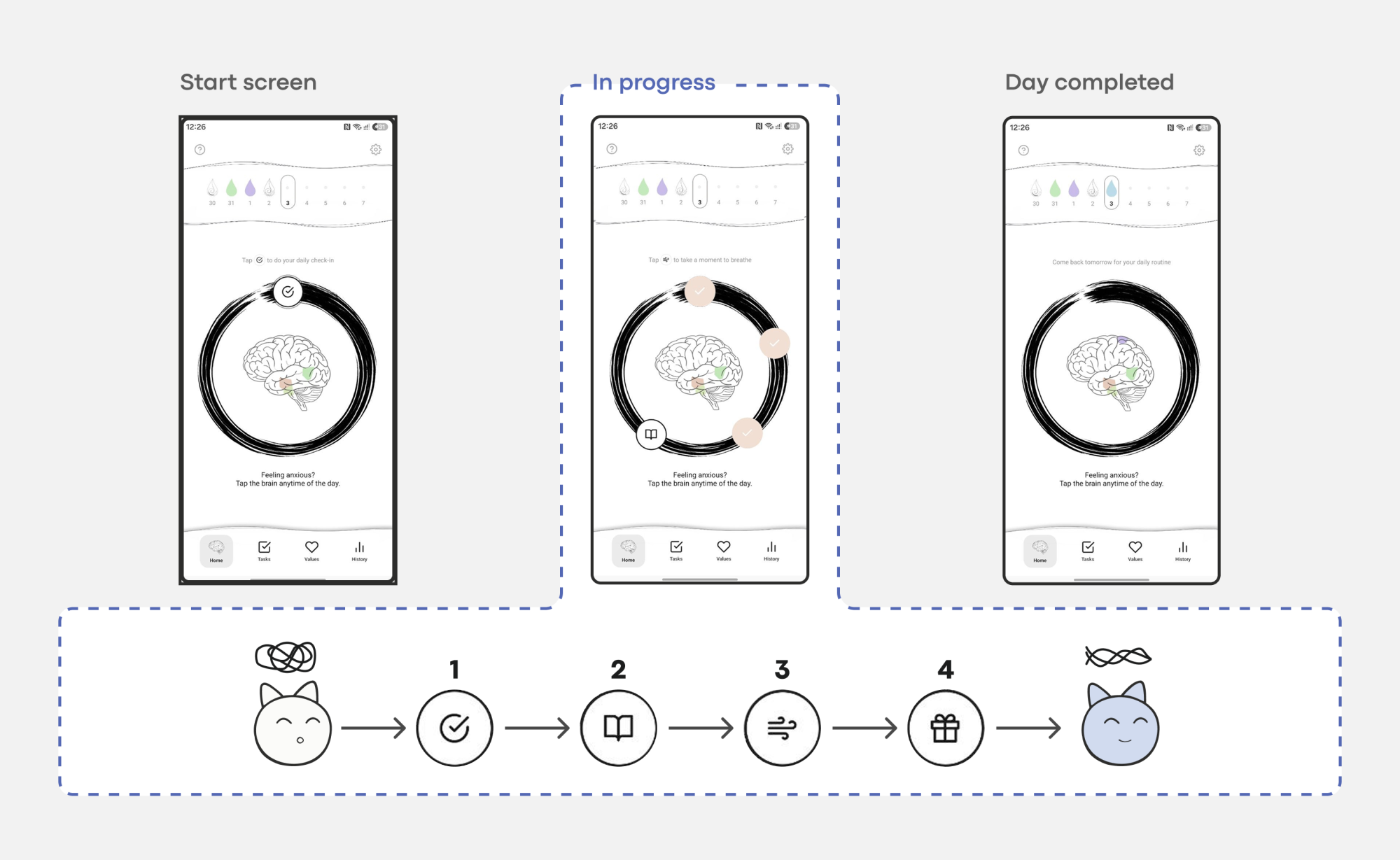
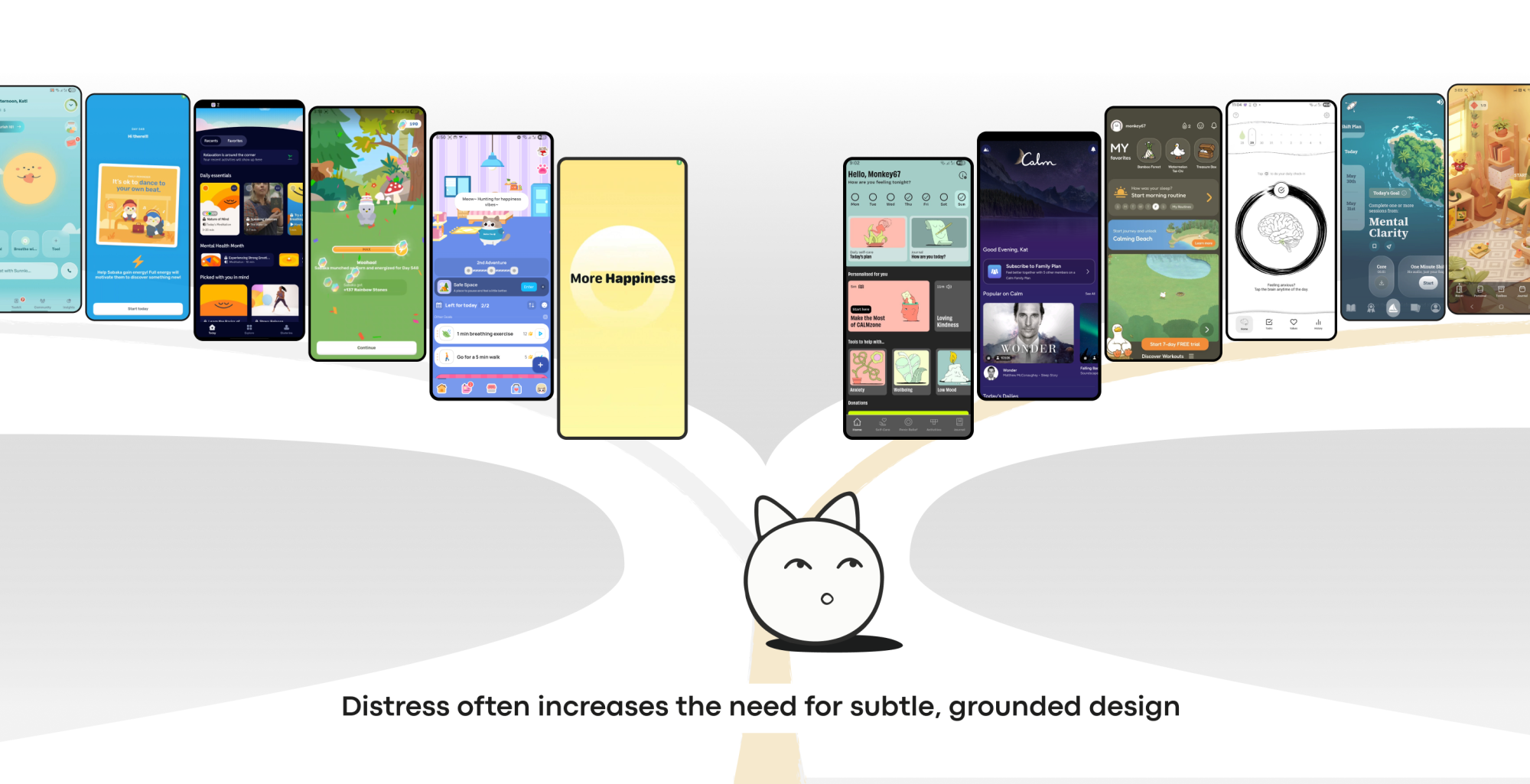
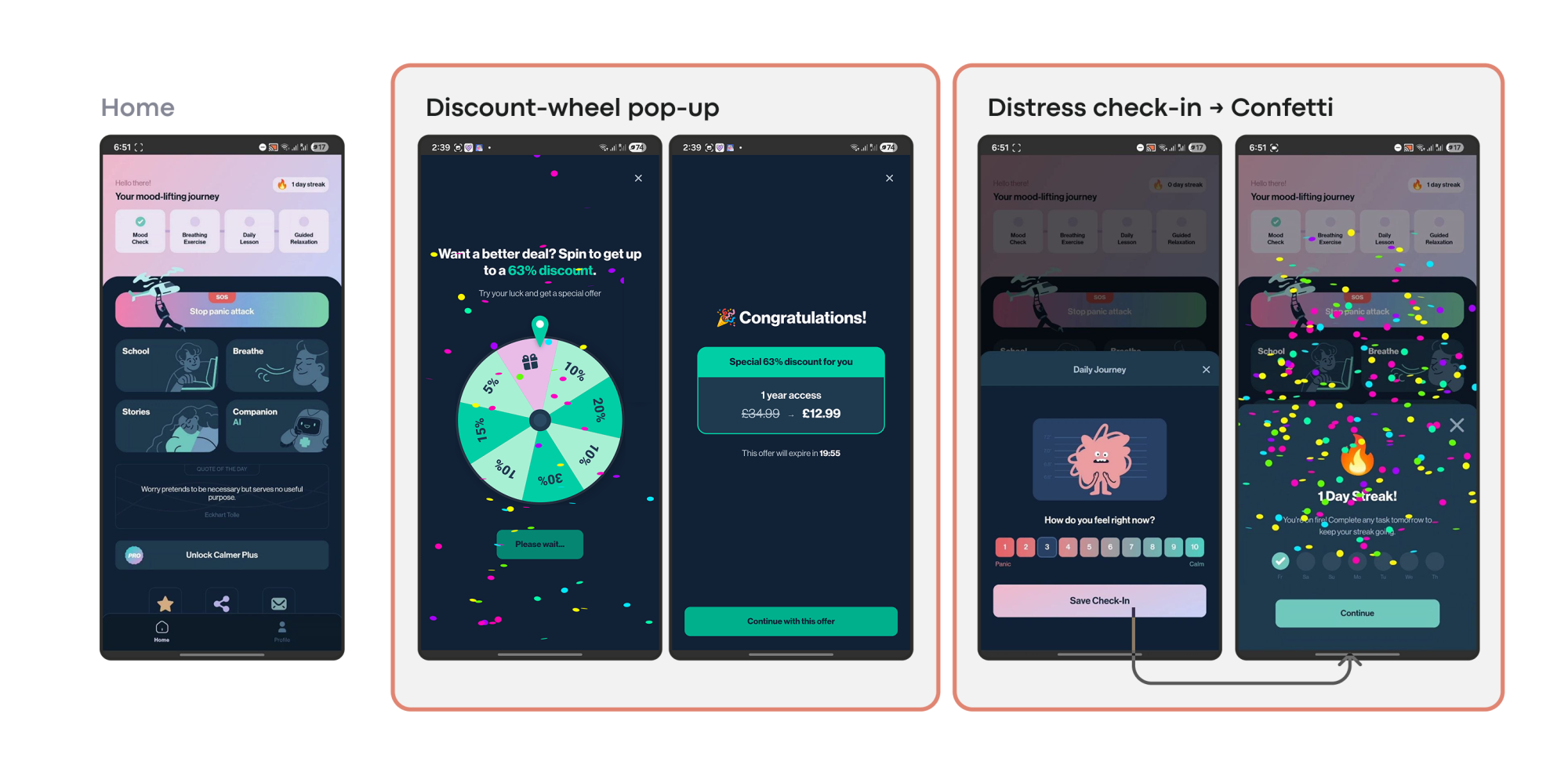
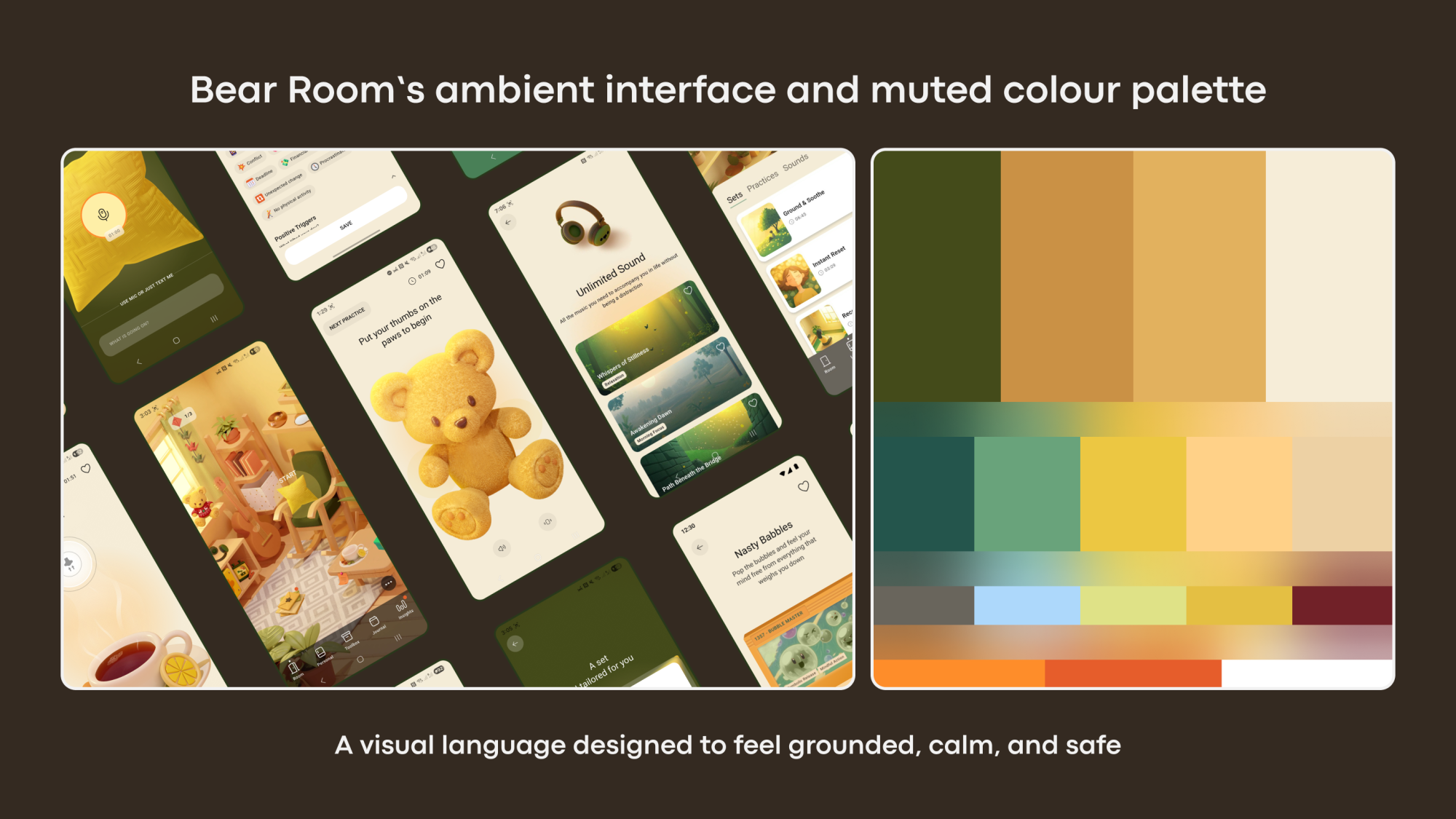
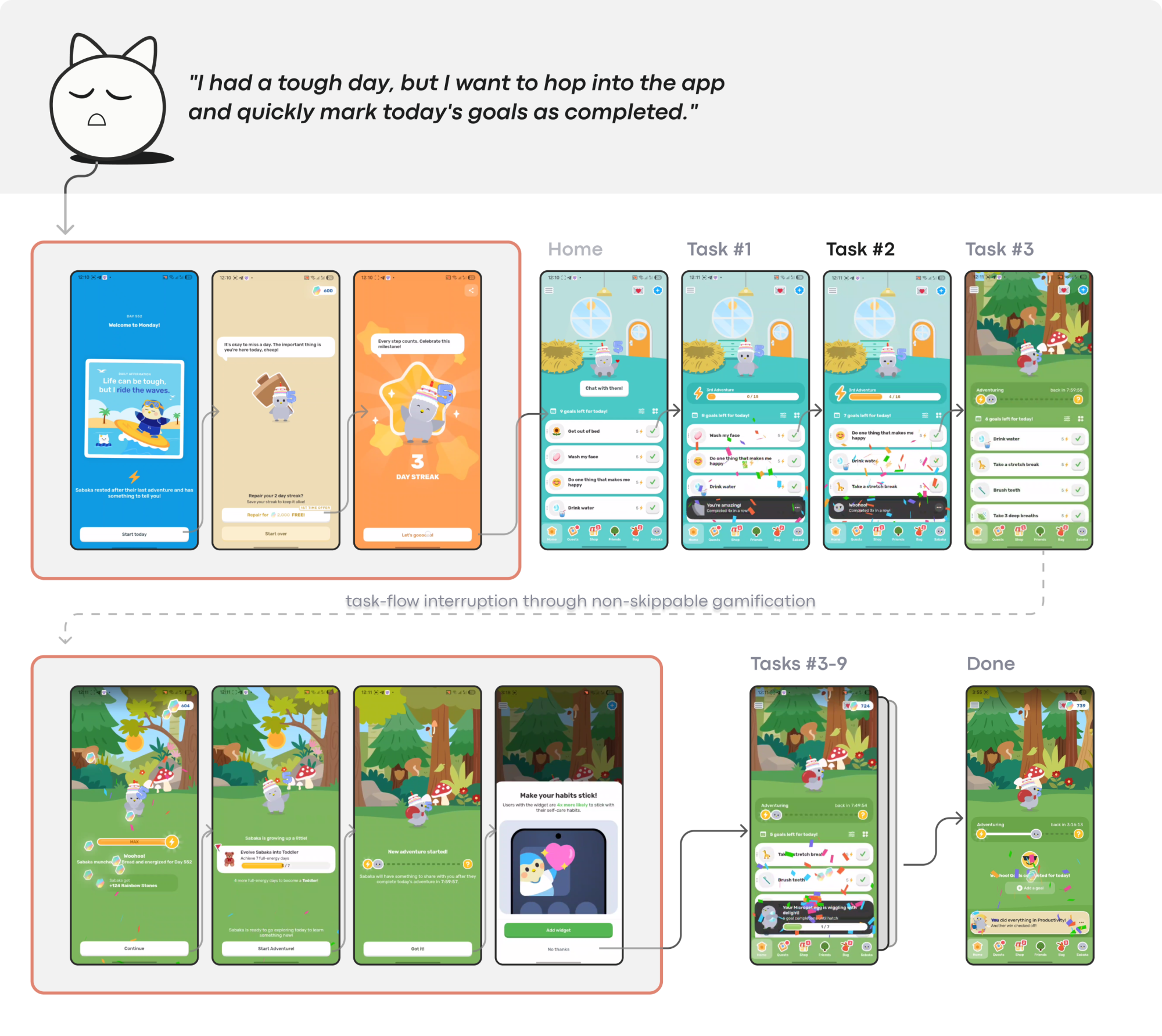
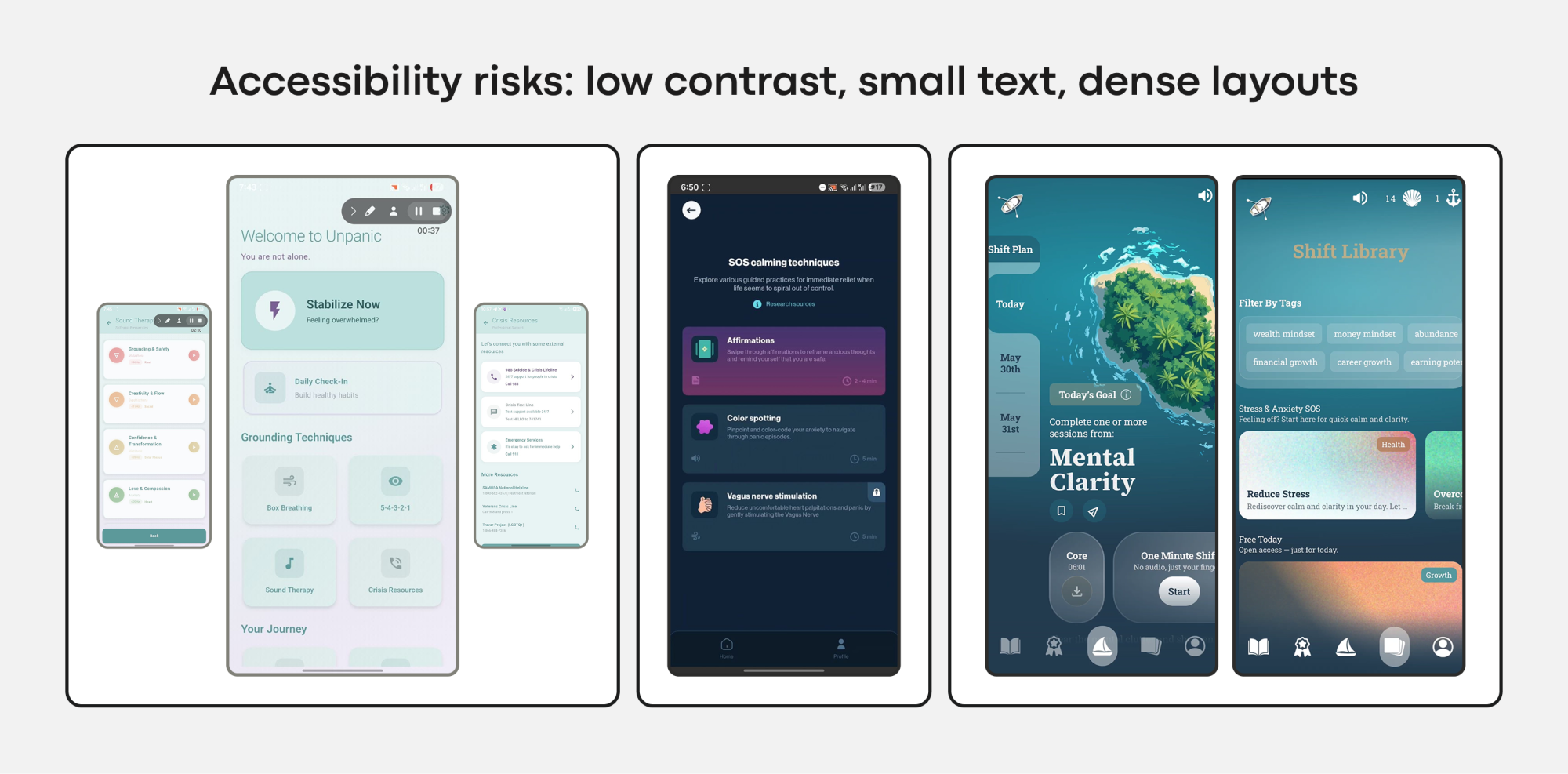
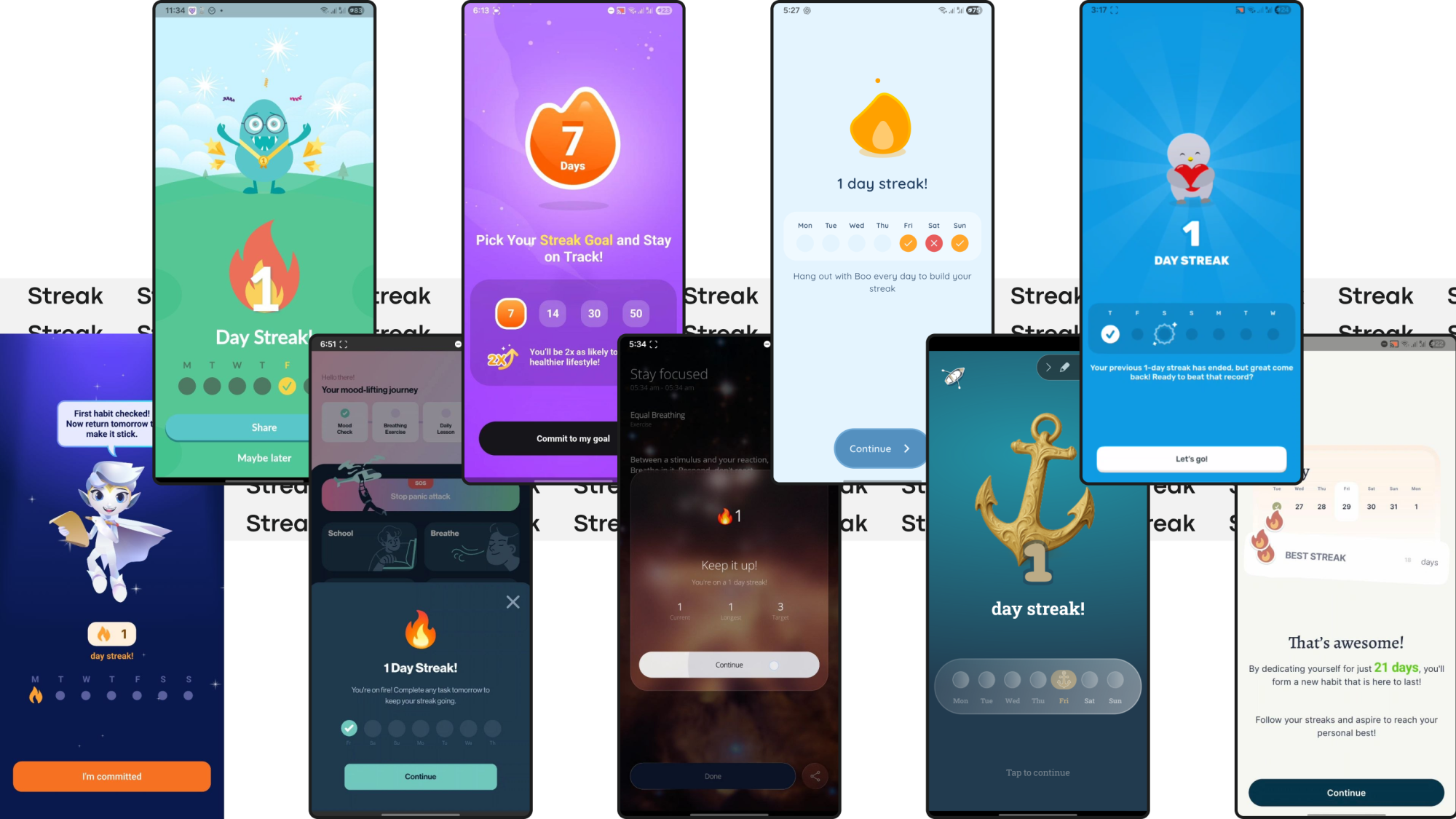
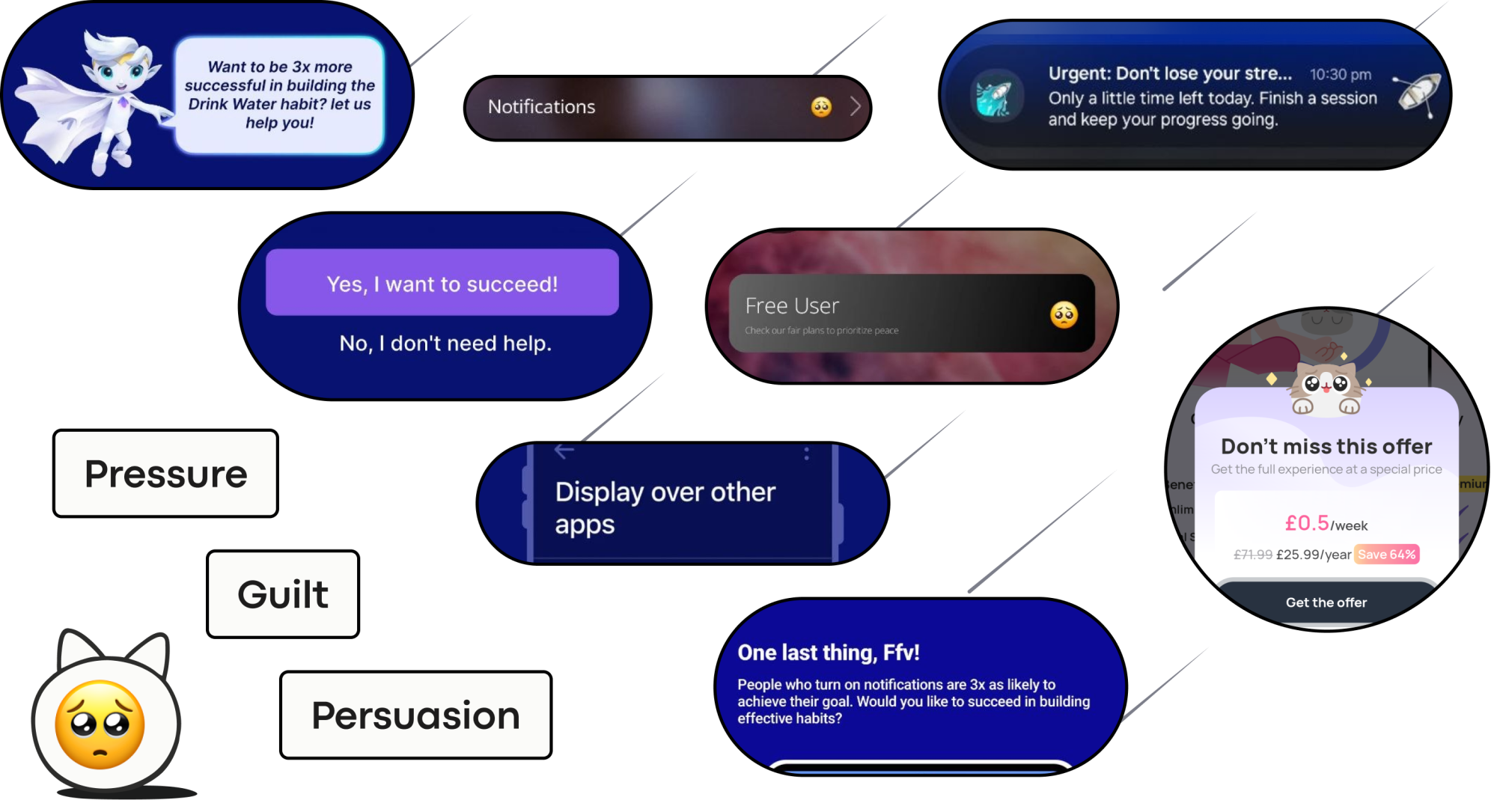
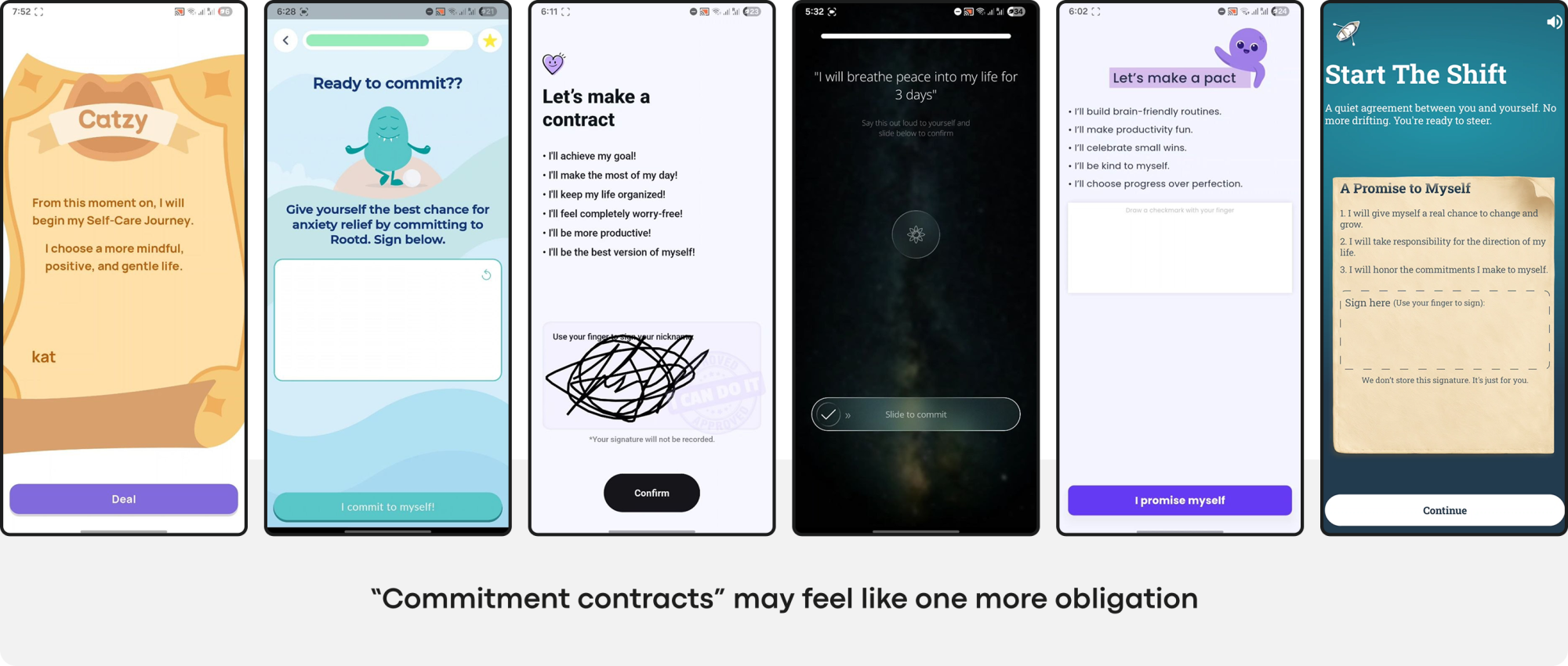
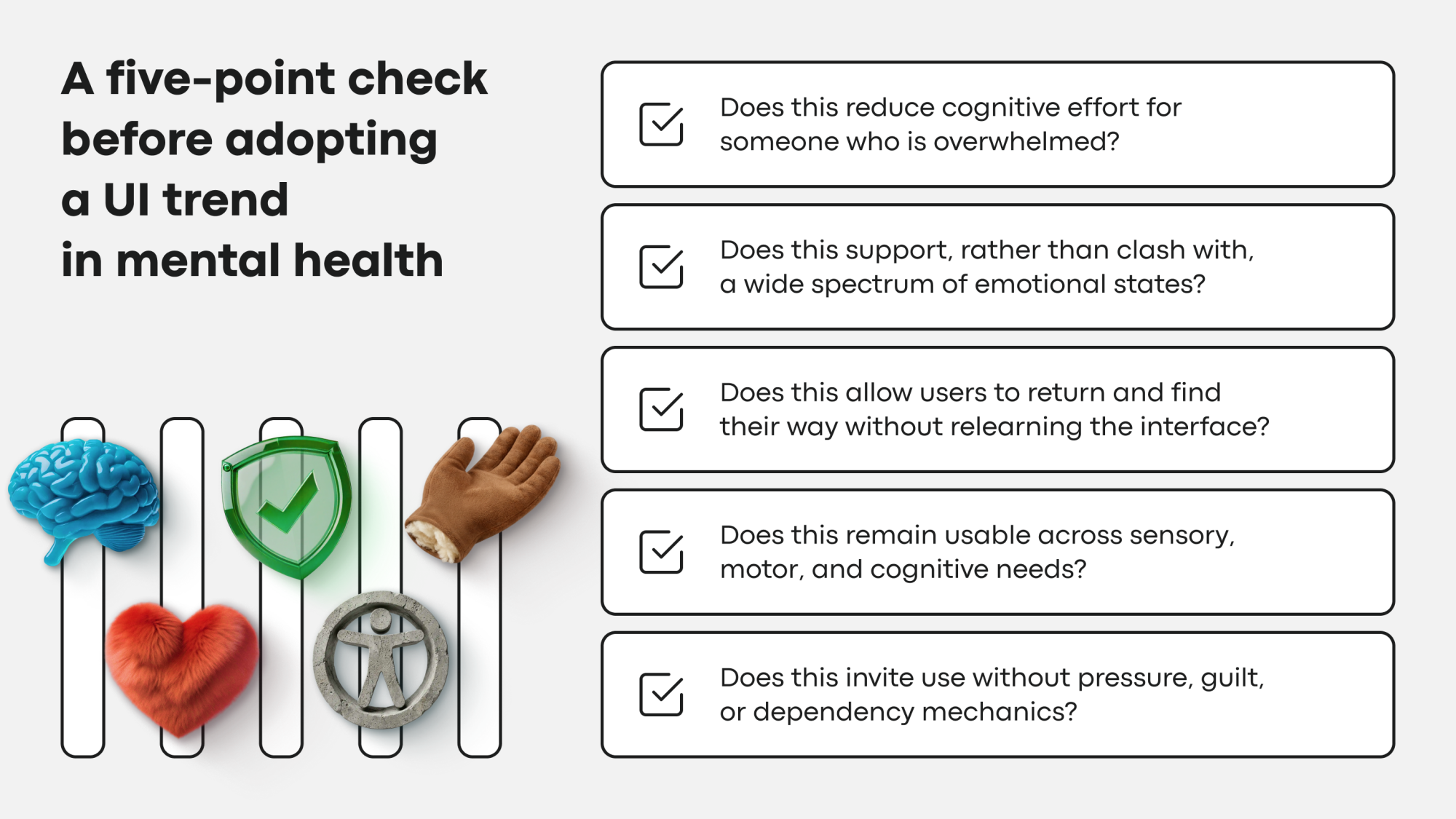
Many UI trends are designed to capture attention and signal innovation, but those goals often conflict with the needs of mental health apps: reducing cognitive strain, fostering trust, and providing a sense of refuge. Kat Homan introduces an evaluation framework that helps designers assess whether trendy visual and interaction patterns support or undermine the unique goals of mental health experiences.
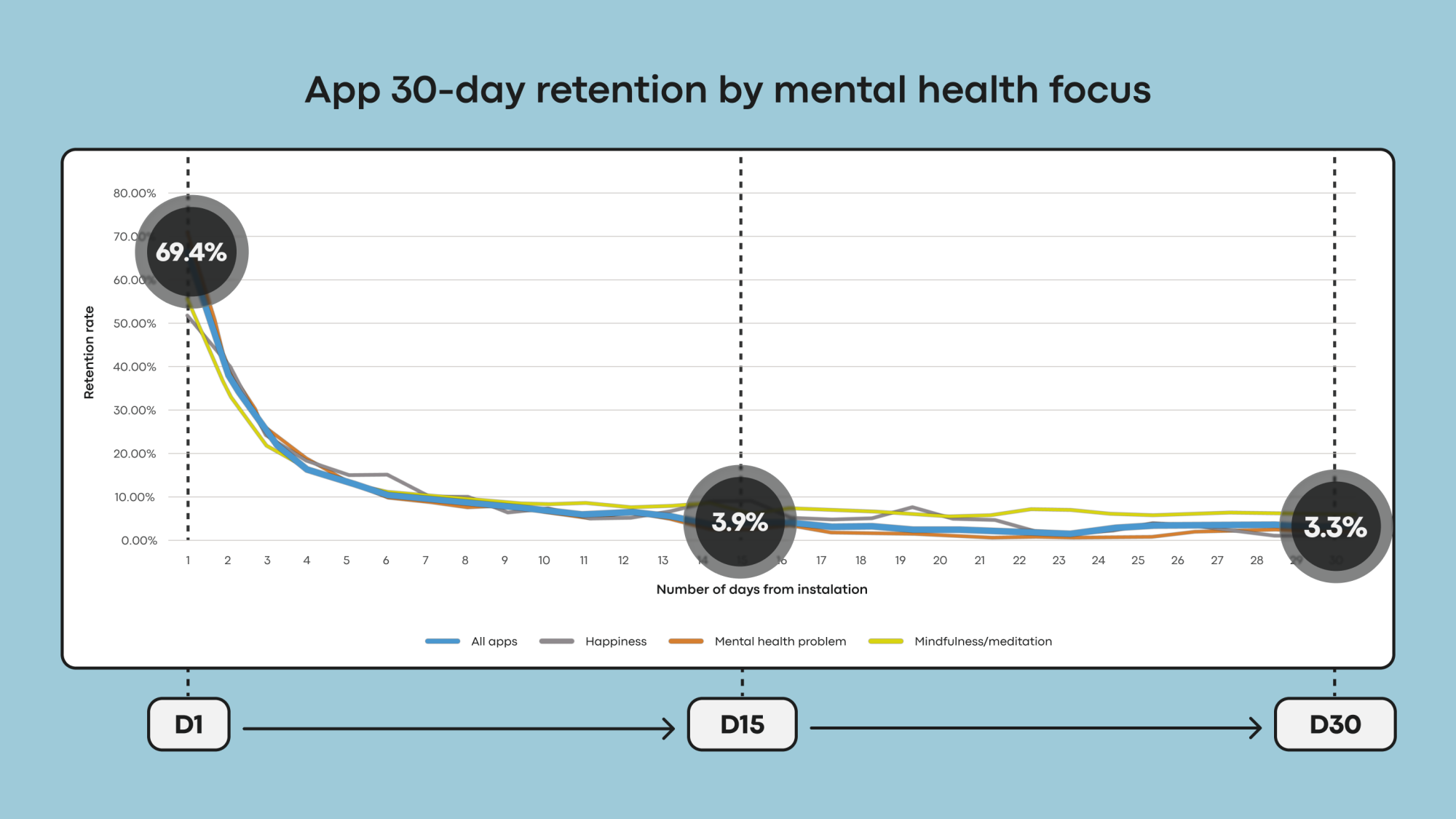
Mental health applications keep facing a continuing, measurable crisis: many people stop using them quickly. The data is stark: almost 95% of users who open the app on day 1 abandon the app by day 30 , with a median 30-day retention of only 3.3%. Even the recognised mental health giants lose around 50% of their users within the first ten days. This severe engagement loss and retention collapse are why effective interface design must be a clinical and operational priority.…