Menu

1 / 2

'We're not a competitor to fusion. We are fusion': Inside the race to harness unlimited solar power in…

Reading 0:00
15s threshold
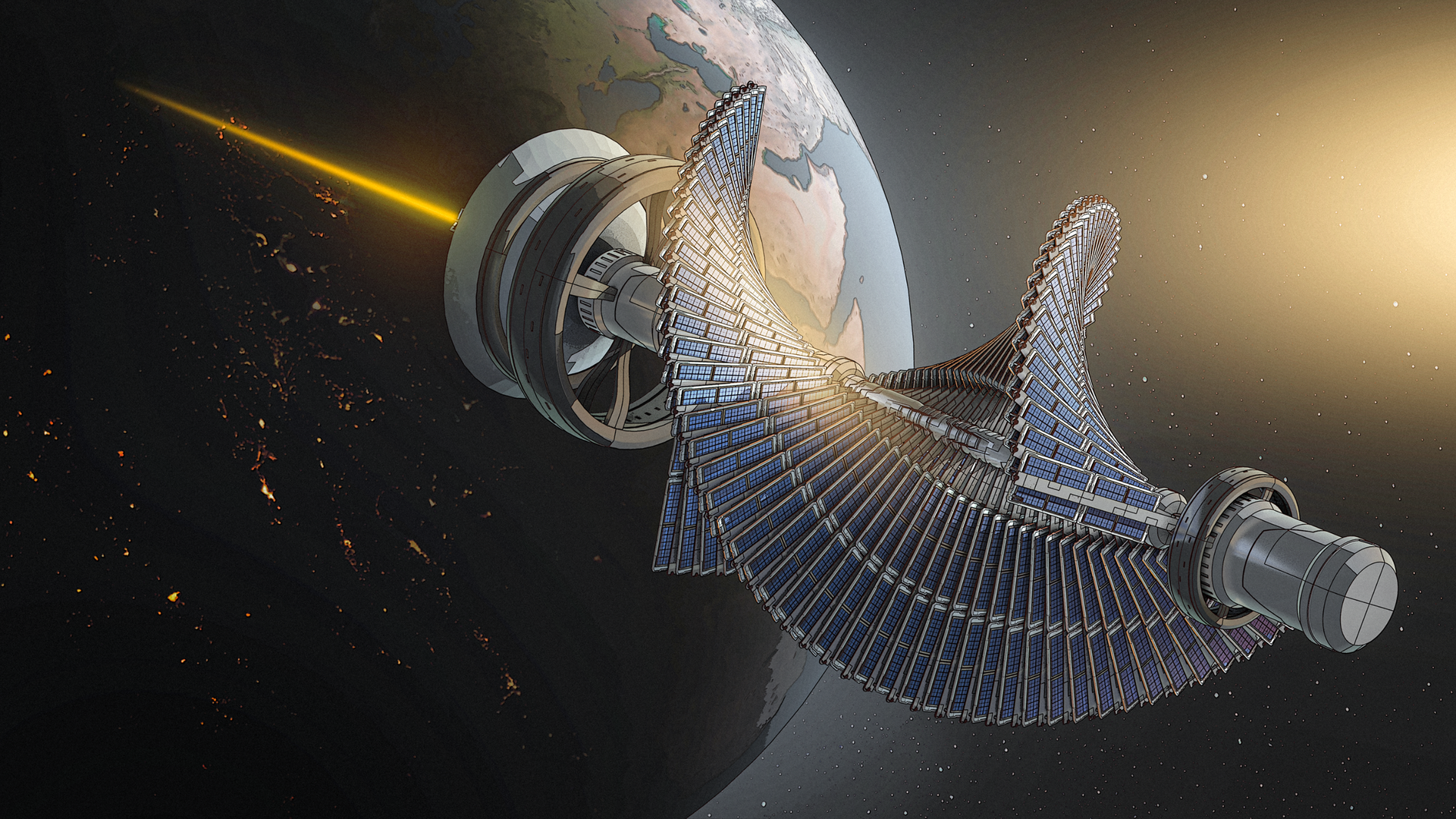
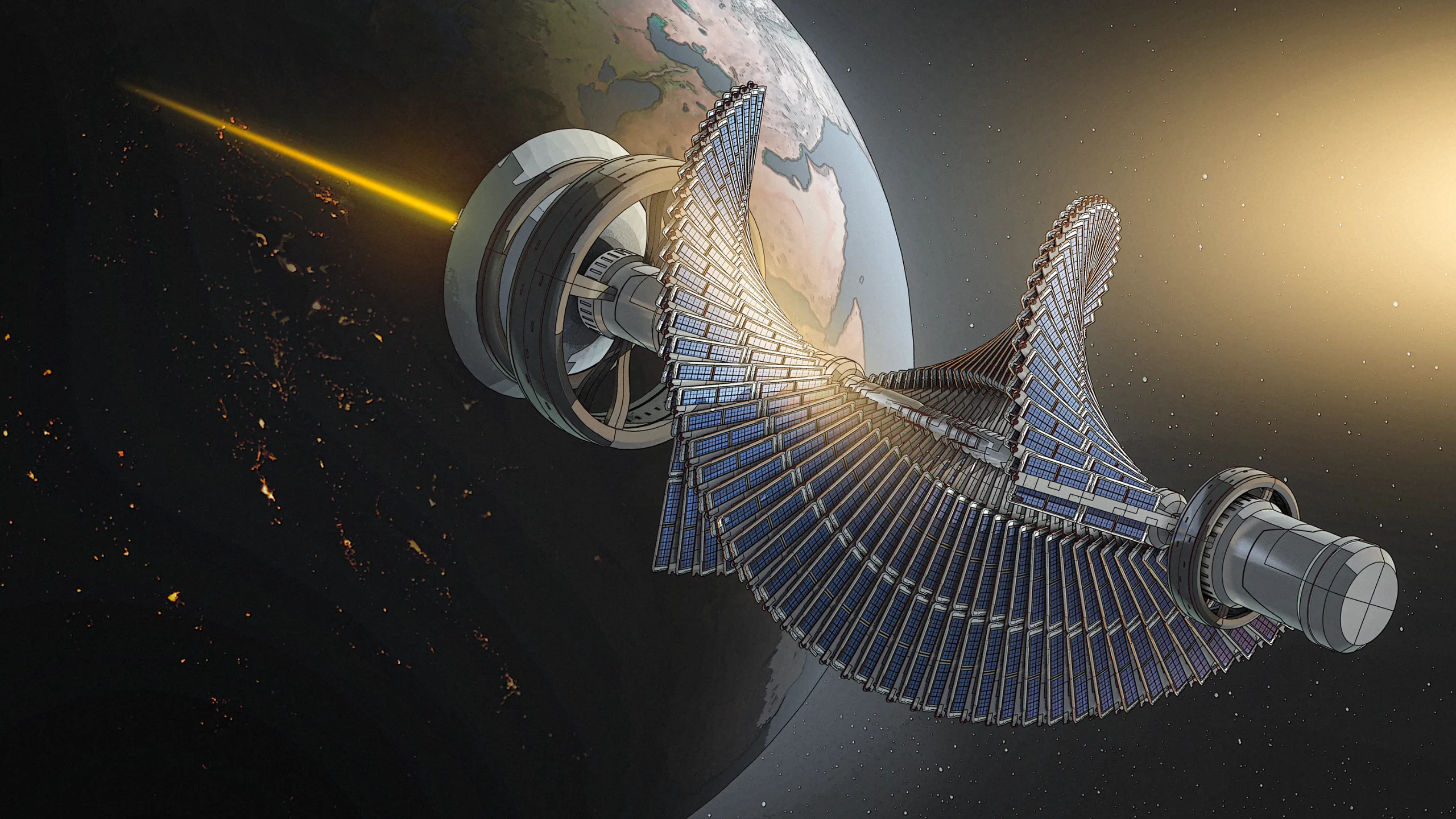
A computer-generated image showing a satellite beaming power from space to Earth.

The sun produces staggering quantities of energy each second. The hard part is harnessing it.

(Image credit: Darius Puia for Live Science)

The year is 2050, and as the sun sets, the night's first constellations emerge in perfect rows. But these amber-glowing arrays aren't stars at all; they're satellite clusters, harvesting the day's last rays before beaming their power back to Earth.

If it reads like science fiction, that's because it started that way. Called space-based solar power (SBSP), the concept featured prominently in the techno-utopian imaginations of 20th-century visionaries and writers. But for decades, it was dismissed — a pie in the sky proposal.

Ben Turner is the features editor at Live Science. He covers physics and astronomy, among other topics such as tech and climate change. He graduated from University College London with a degree in particle physics before training as a journalist. When he's not writing, Ben enjoys reading literature, playing the guitar and losing at chess.