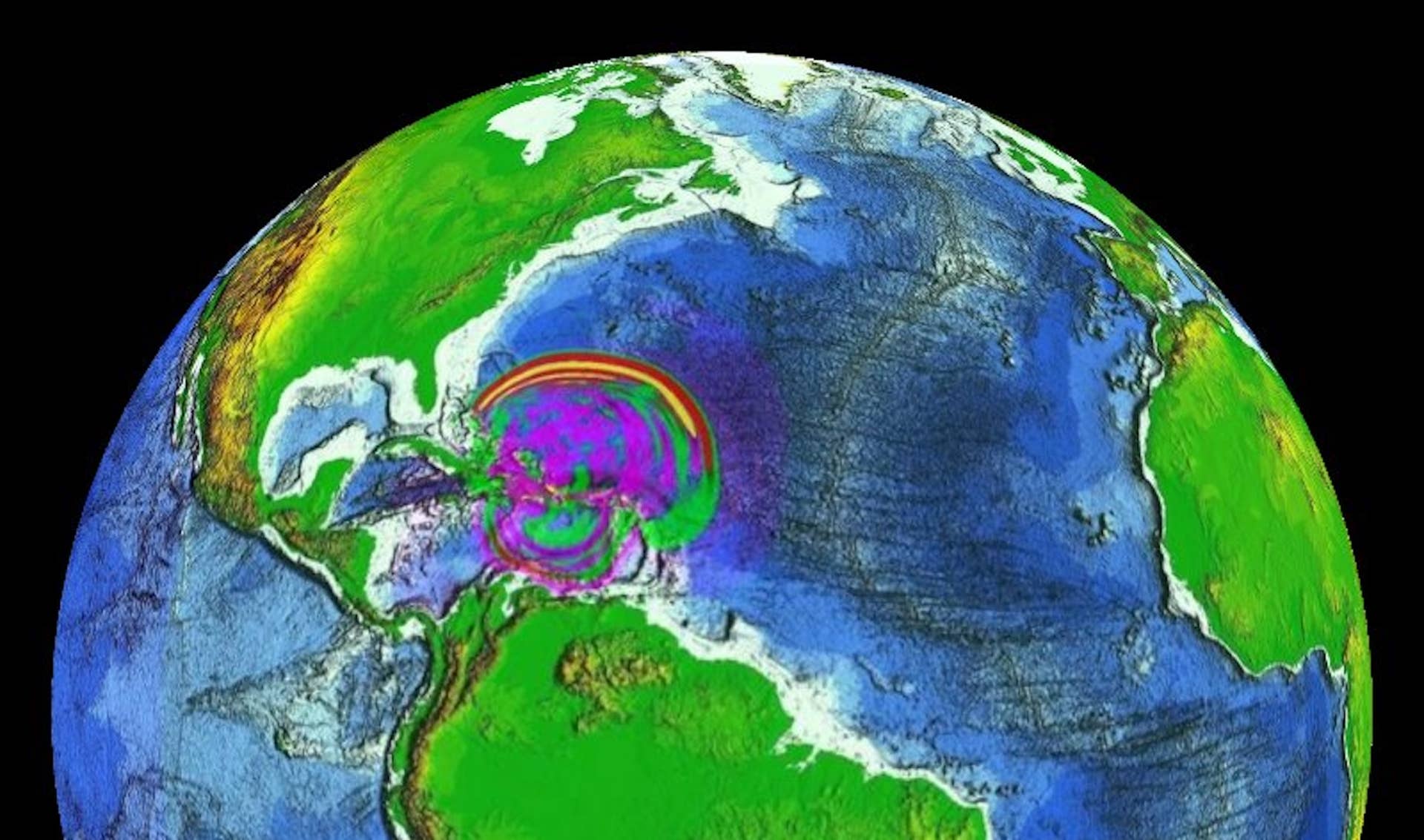
More than five miles beneath the Atlantic Ocean lies a place that few people have ever seen. But scientists have spent decades watching it closely. The Puerto Rico Trench—the deepest point in the Atlantic Ocean—plunges more than 27,000 feet (over 8,400 meters) below the sea surface. Stretching roughly 500 miles north of Puerto Rico and the U.S. Virgin Islands, the trench marks the complex boundary where the North American and Caribbean tectonic plates meet. While it's a geological marvel, it's also considered one of the most significant tsunami hazards in the Atlantic, and to the United States. Unlike many of the Pacific's famous subduction zones, the Puerto Rico Trench is an unusual plate boundary, where the plates largely slide past one another with only a small amount of subduction. Even so, the region has produced powerful earthquakes and destructive tsunamis throughout history, including the 1918 Puerto Rico earthquake and tsunami that claimed dozens of lives.…