Travel | April 24, 2026 9:41 a.m.
The eruption of Mt. Vesuvius froze the ancient Roman city in time, giving modern-day humans a remarkable vision into the past
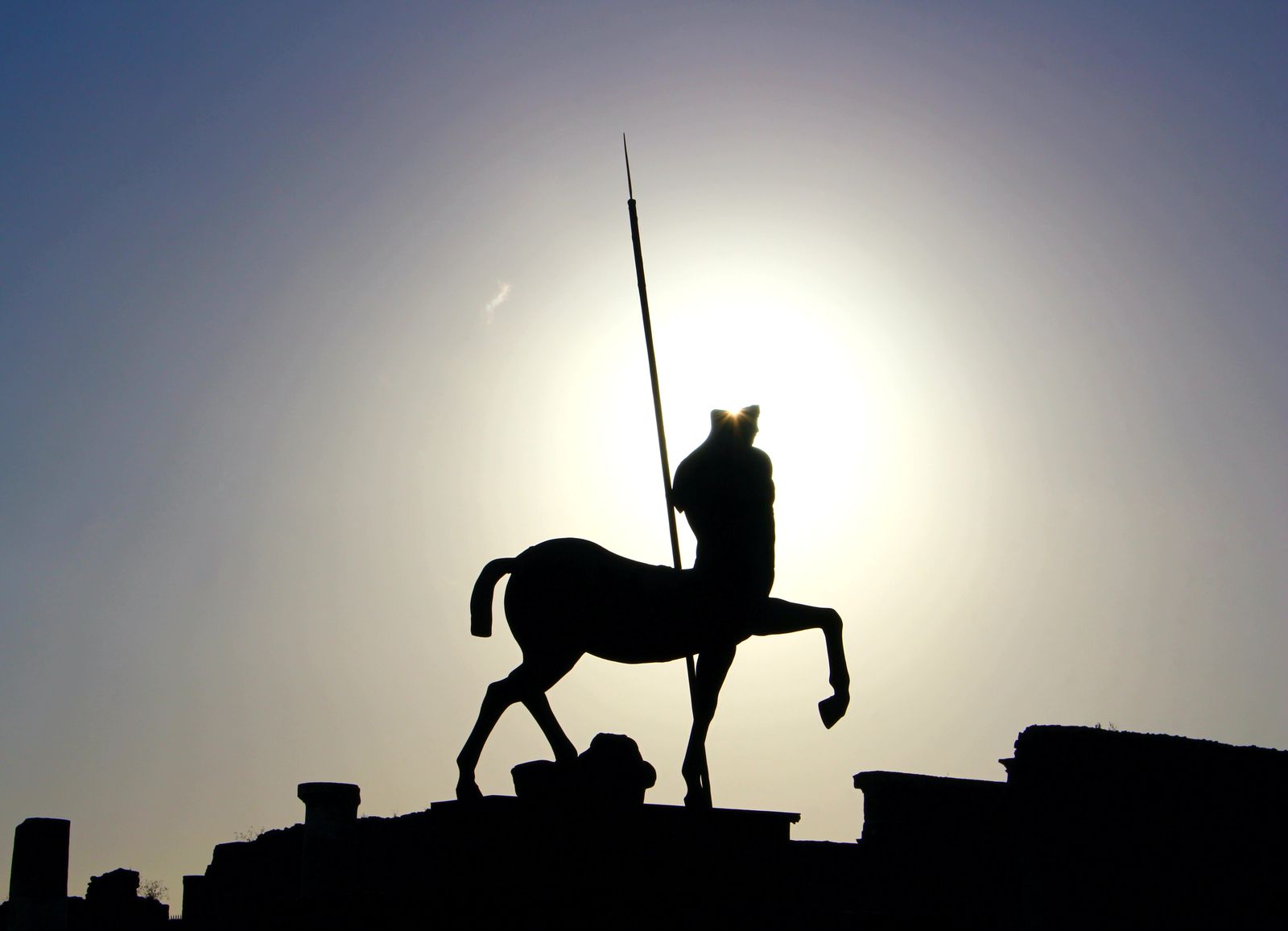
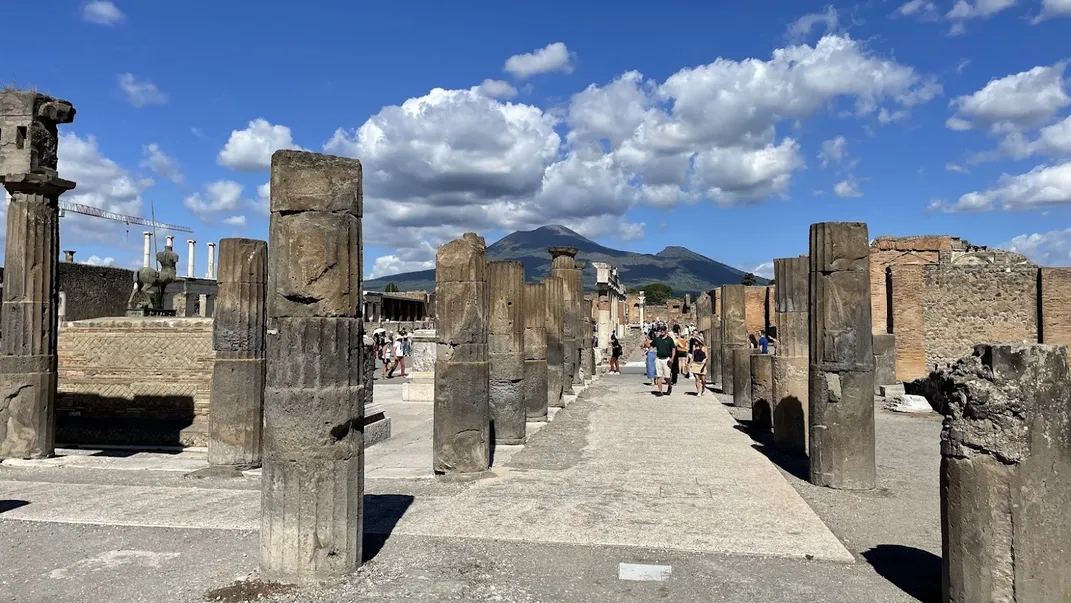
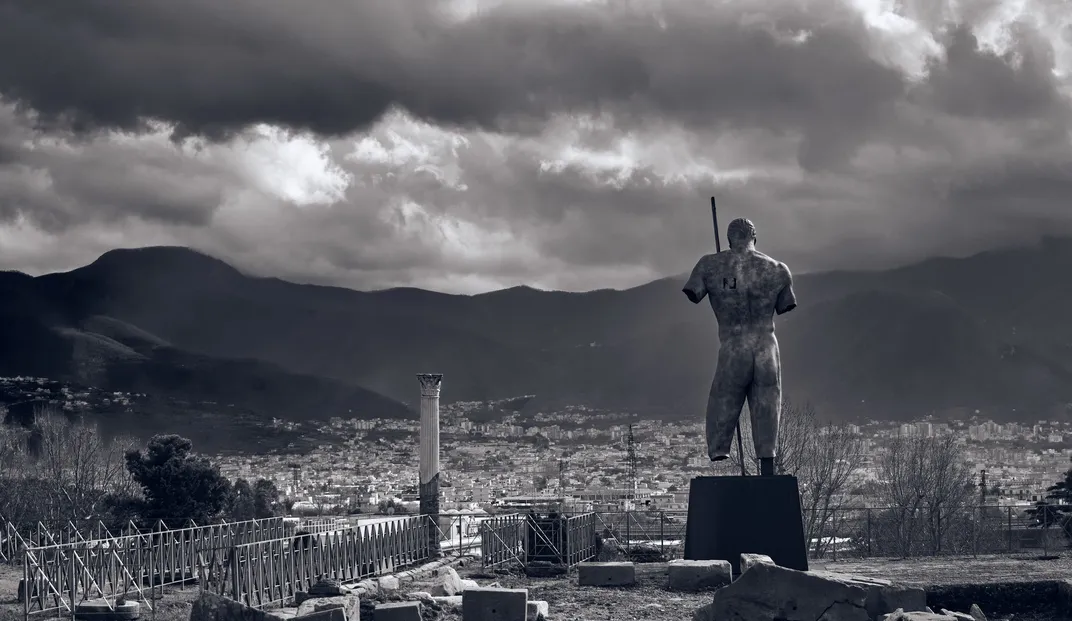
Installed in 2013, Igor Mitoraj’s “Centauro” sculpture stands in the Forum of Pompeii. Pavitra Krishnamani, 2019
These Modern-Day Photographs Highlight Why, Centuries Later, Pompeii Still Attracts Throngs of Tourists and Archaeologists
The eruption of Mt. Vesuvius froze the ancient Roman city in time, giving modern-day humans a remarkable vision into the past
Photographs selected by Quentin Nardi
April 24, 2026 9:41 a.m.
Installed in 2013, Igor Mitoraj’s “Centauro” sculpture stands in the Forum of Pompeii. Pavitra Krishnamani, 2019
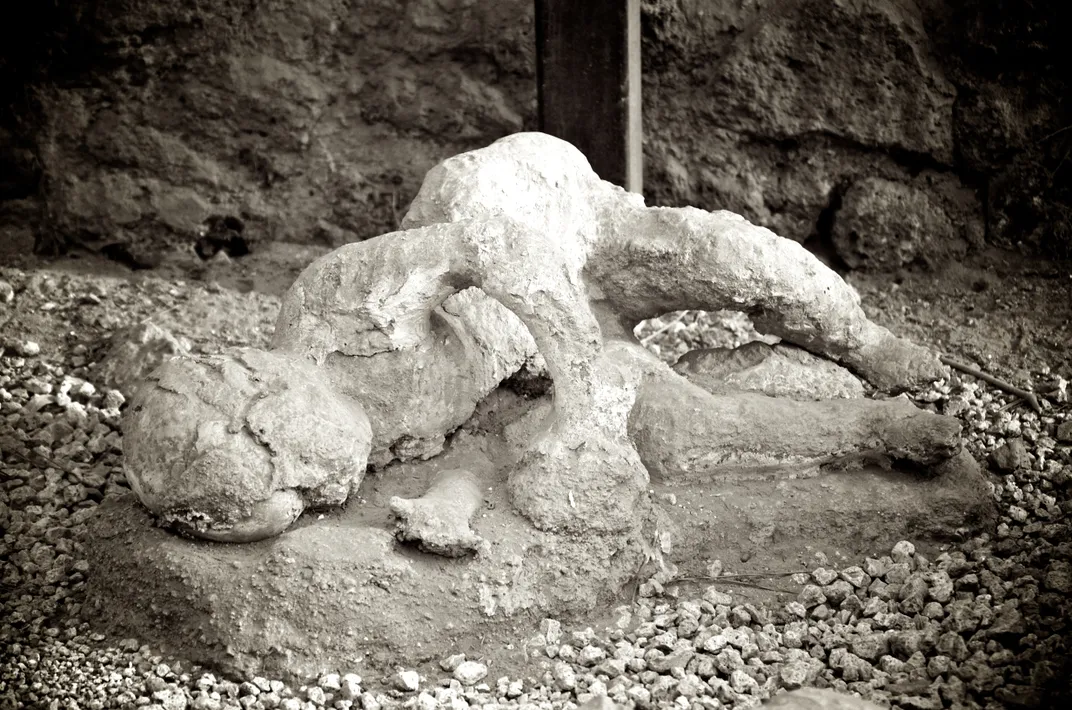
When the city of Pompeii, buried for centuries, was first excavated by archaeologists in the 18th century, it served as a window into the past. Today, the Roman city, considered the most continually excavated site in the world, still teaches us about the ancient civilization.…