If you work with a normal computer — a classical computer — you’re used to two foundational ideas:
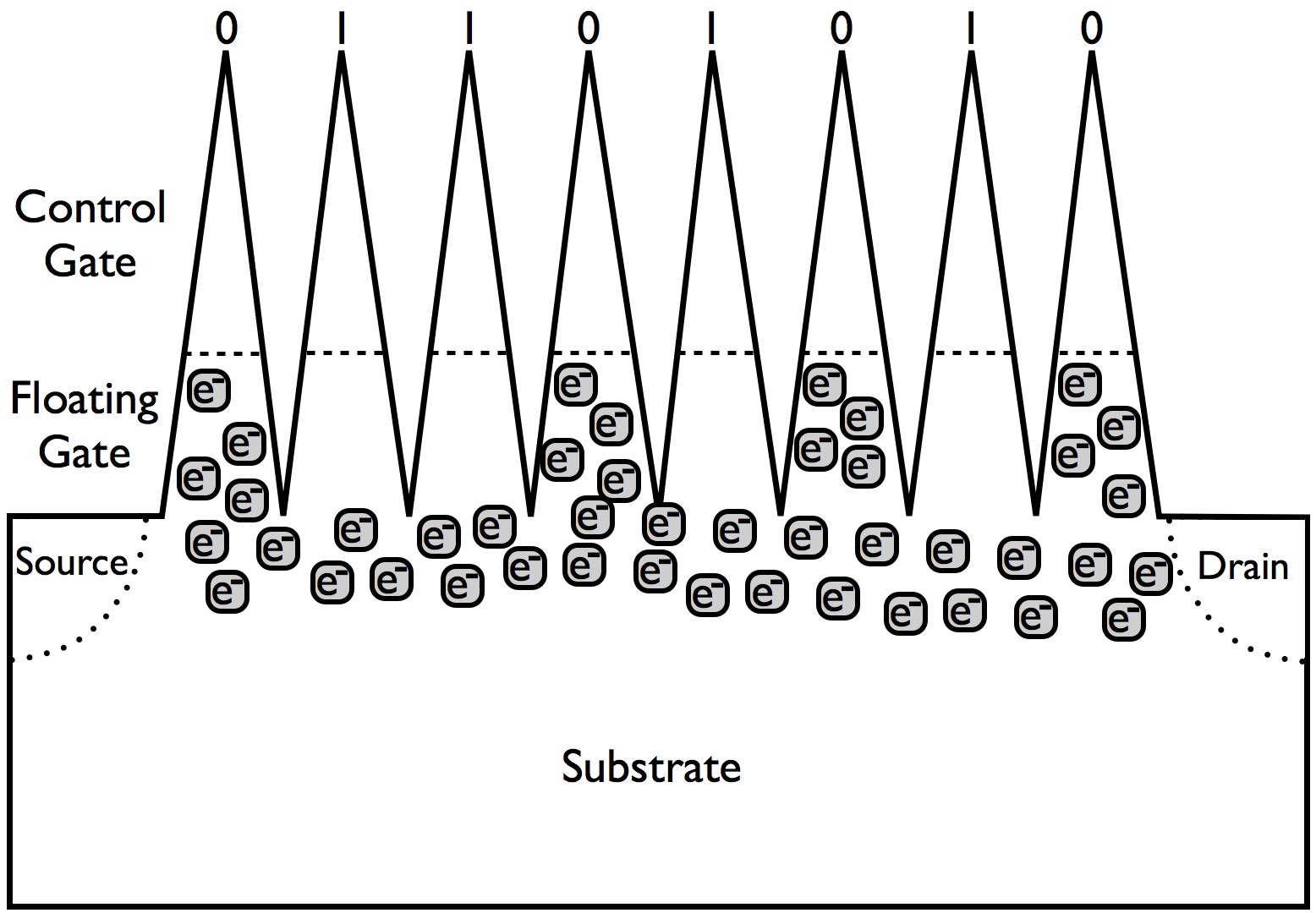
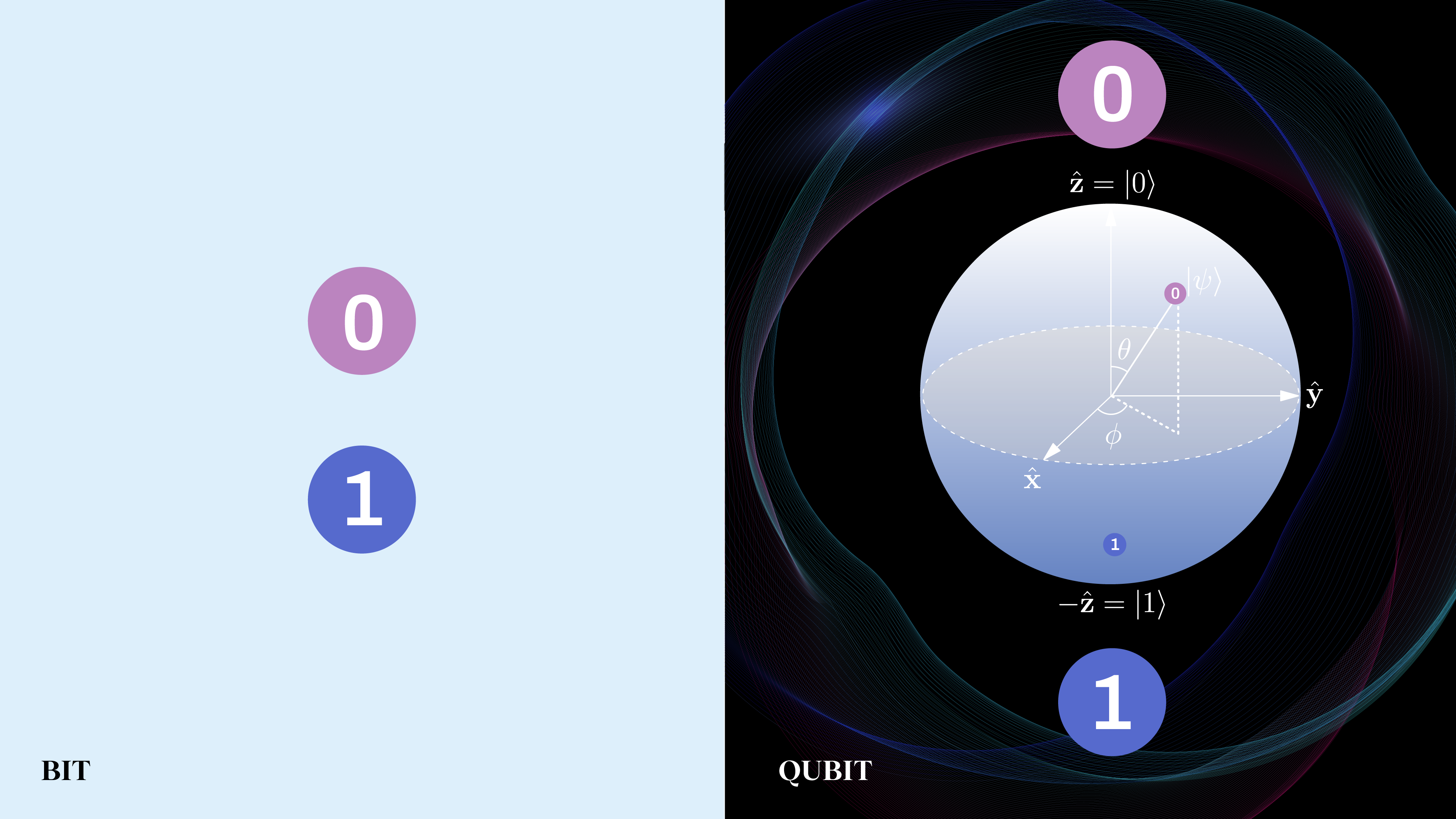
the idea of bits, where information gets encoded as a “0” or “1” within some sort of storage medium or mechanism,
and the idea of operations that can be performed on those bits (or “gates” that those bits can be passed through), which represent the possible computations that can be conducted with those bits.
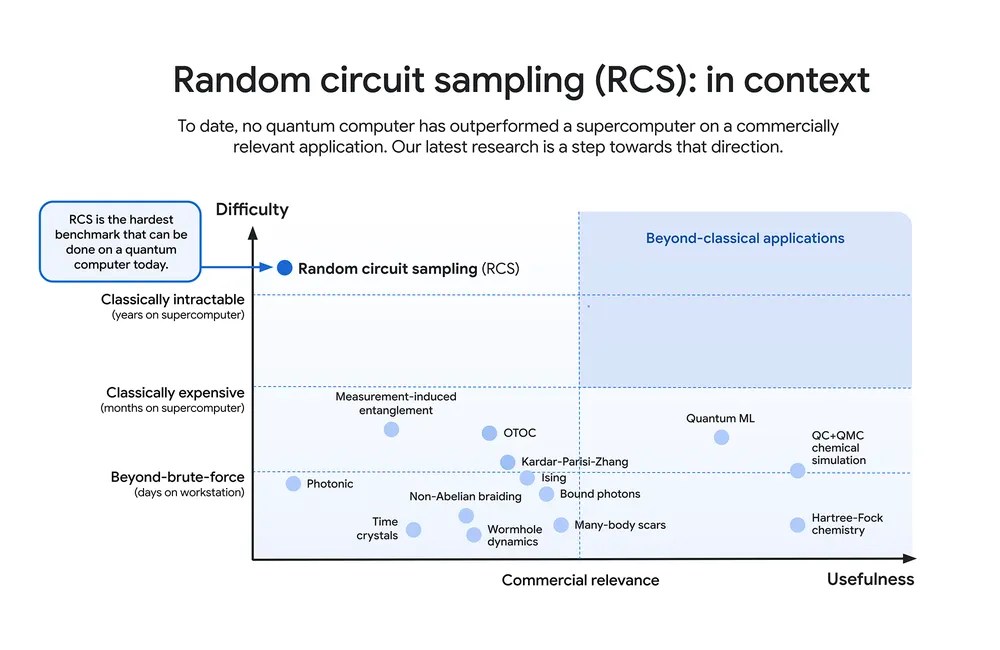
Some problems can be solved very efficiently with classical bits and classical gates, like four-function (+, -, ×, ÷) mathematics, while other problems can only be solved extremely inefficiently with classical bits and classical gates, with the traveling salesman problem being a legendary example of such a “hard” problem.
If you bring in the additional possibilities associated with a quantum computer, however, you no longer have just classical bits and classical gates, but qubits and fundamentally quantum gates.…