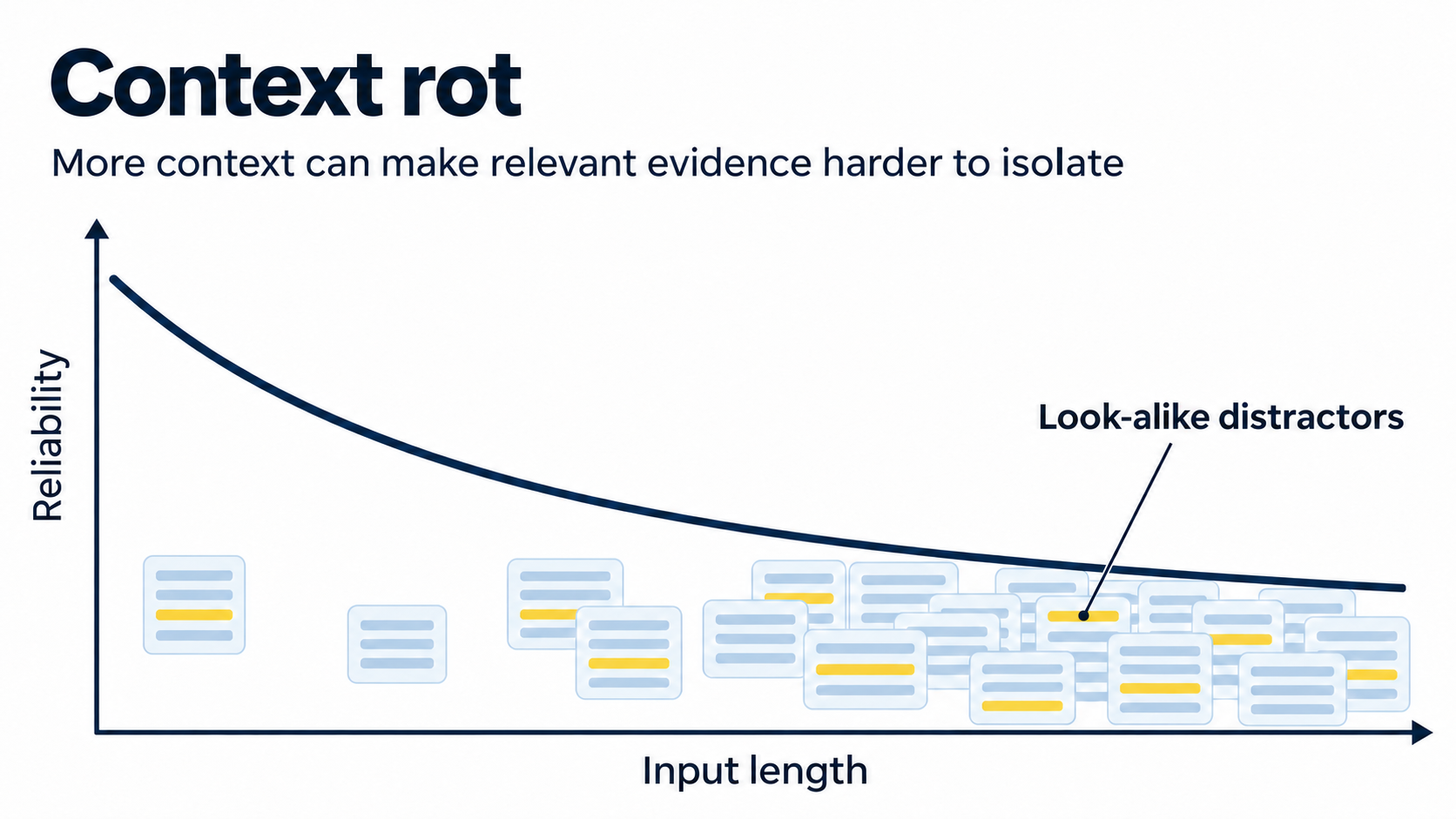
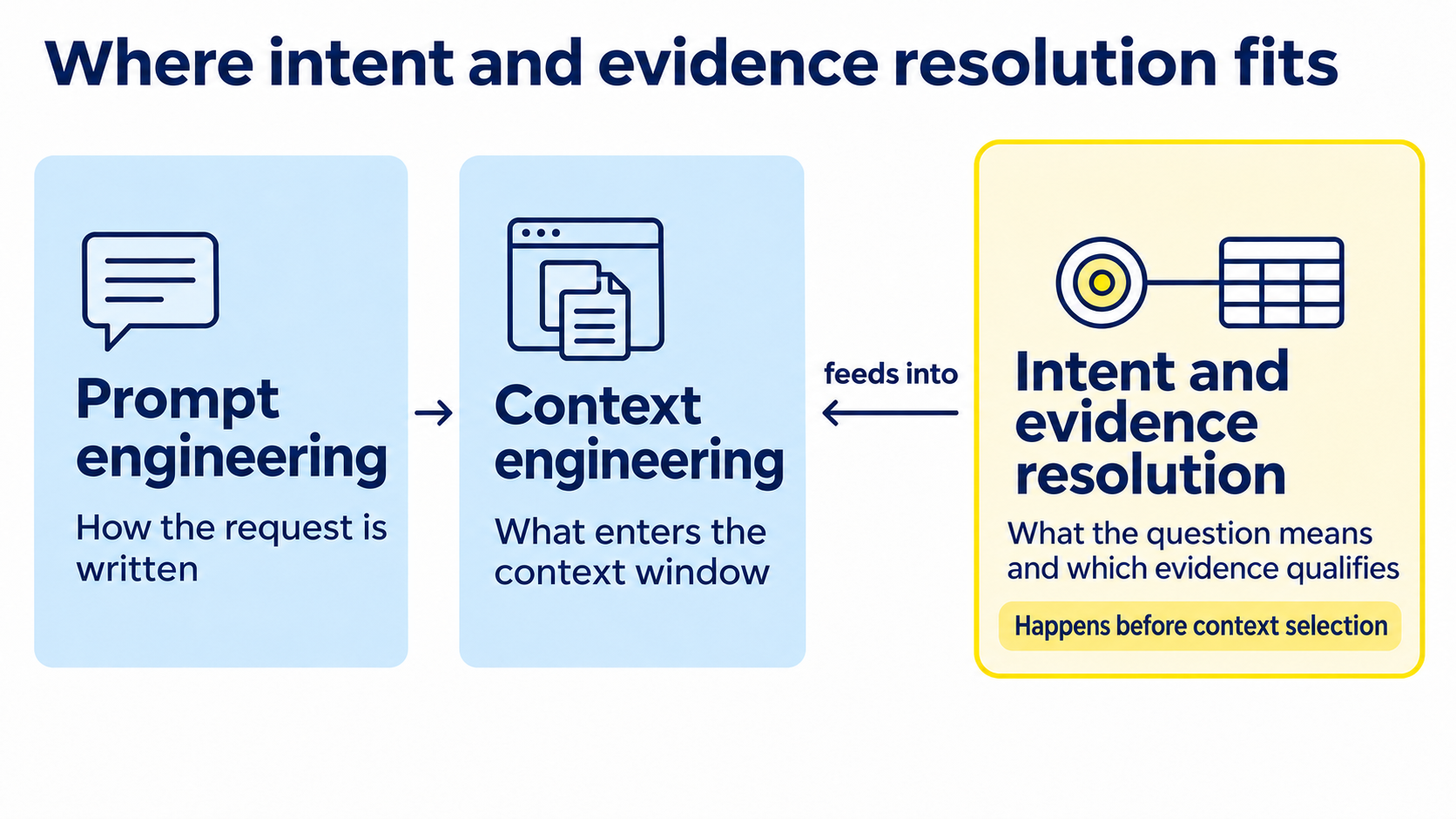
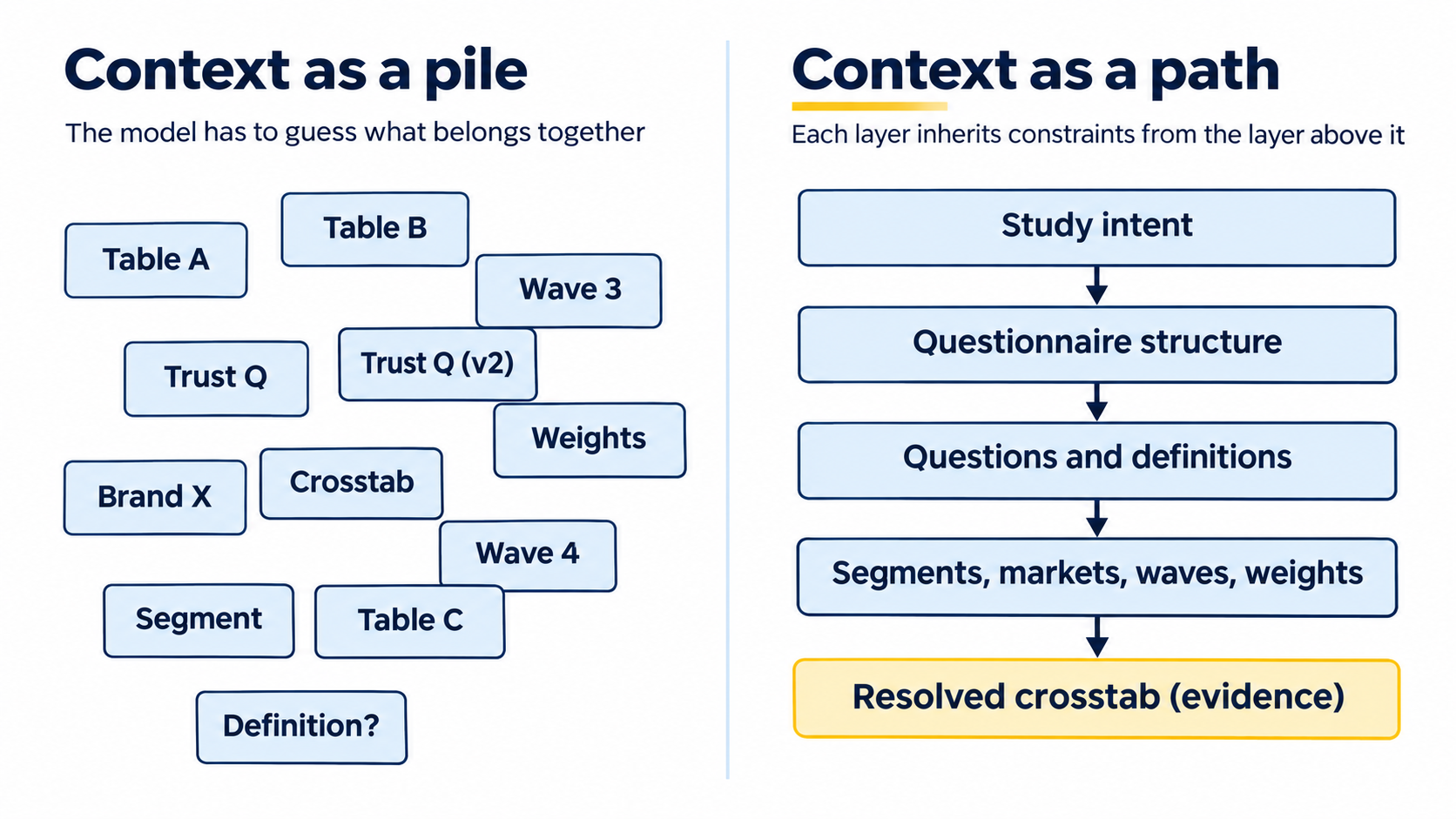
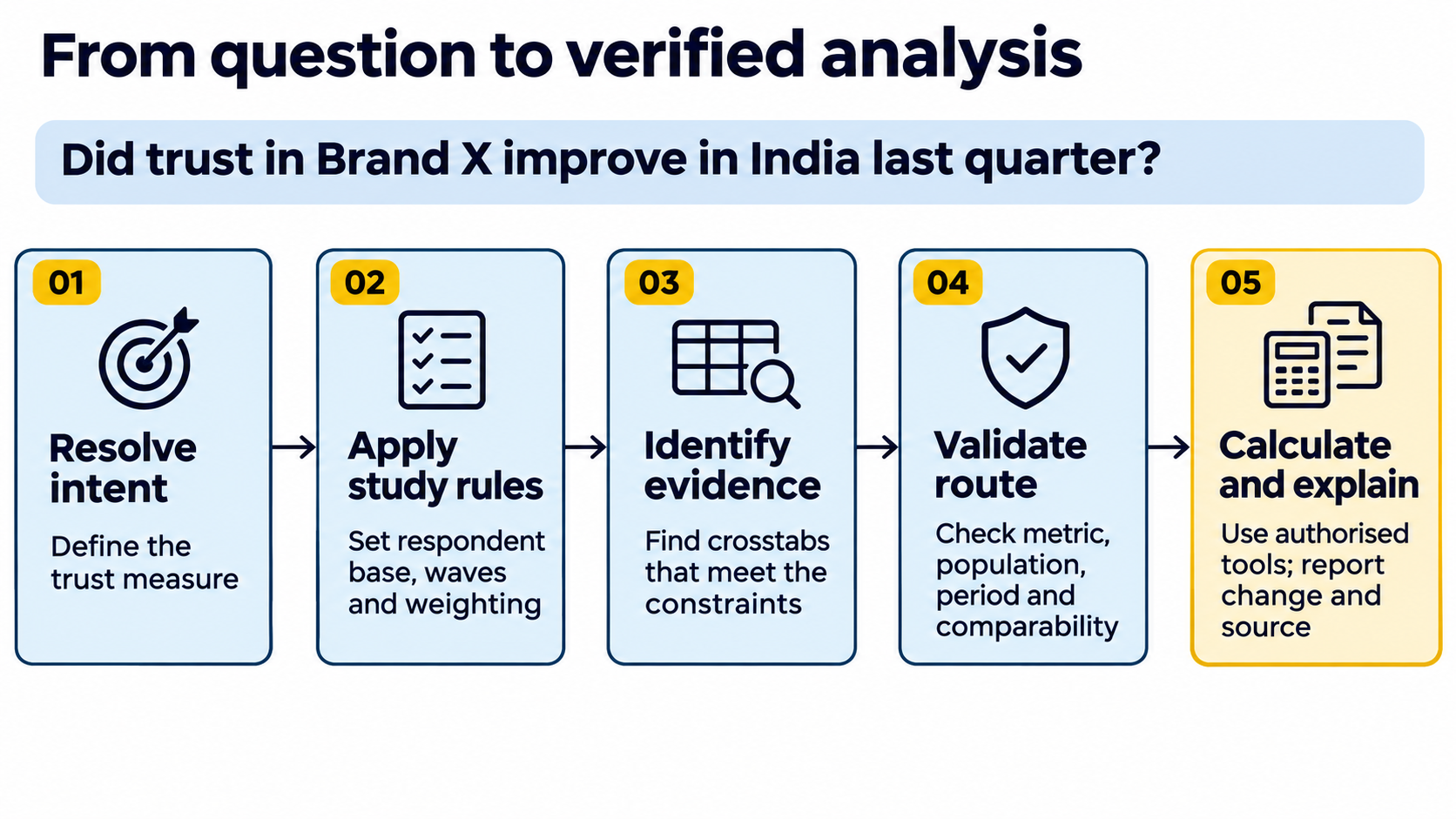
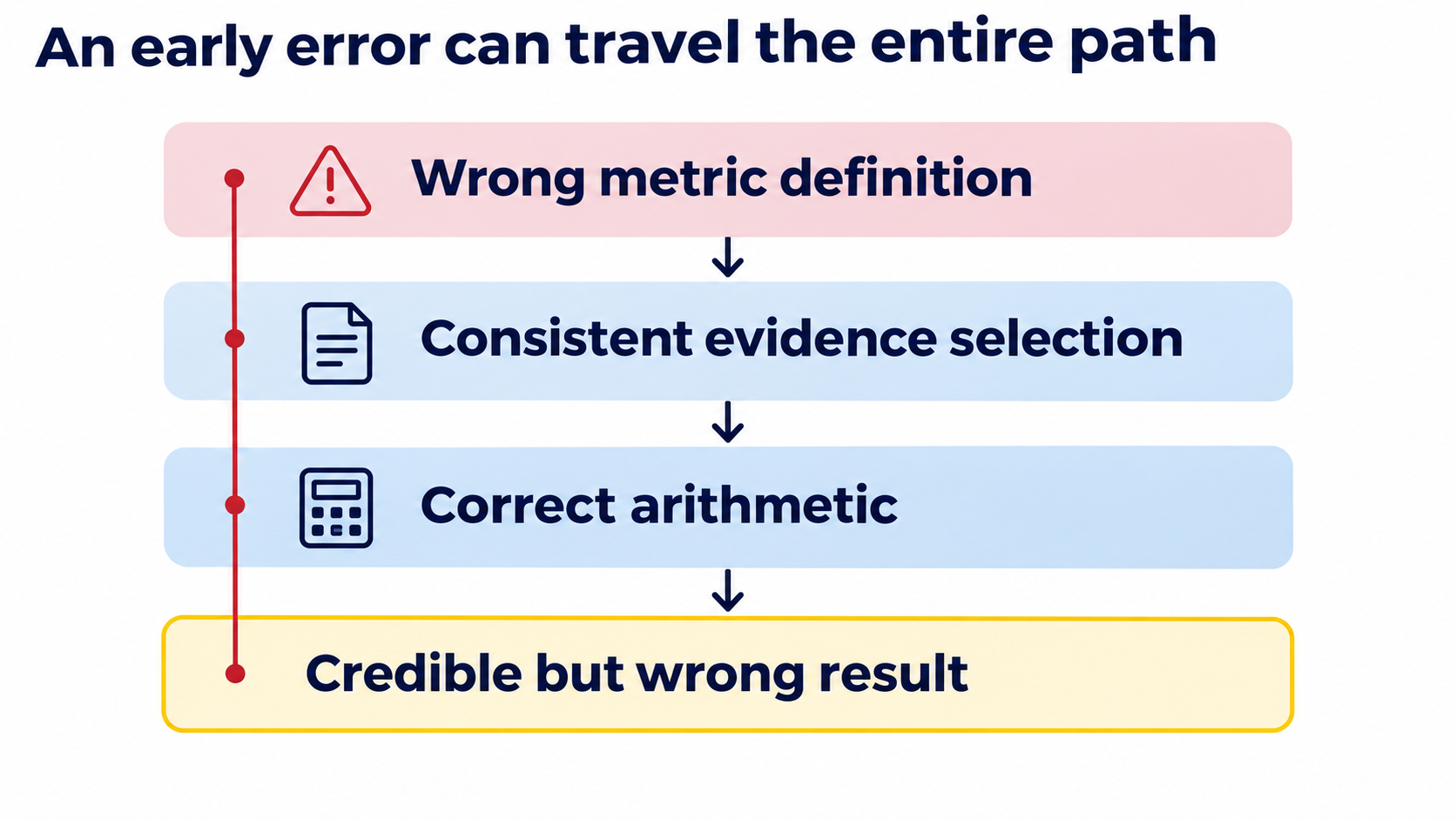
When an enterprise AI system gives an unreliable answer, the usual diagnosis is that the model was not good enough. The usual remedies follow: a stronger model, a longer prompt, more retrieved documents or a larger context window. Each can help. None addresses a failure that is both more common and harder to detect in analytical systems: a model can reason correctly over incorrectly selected context.
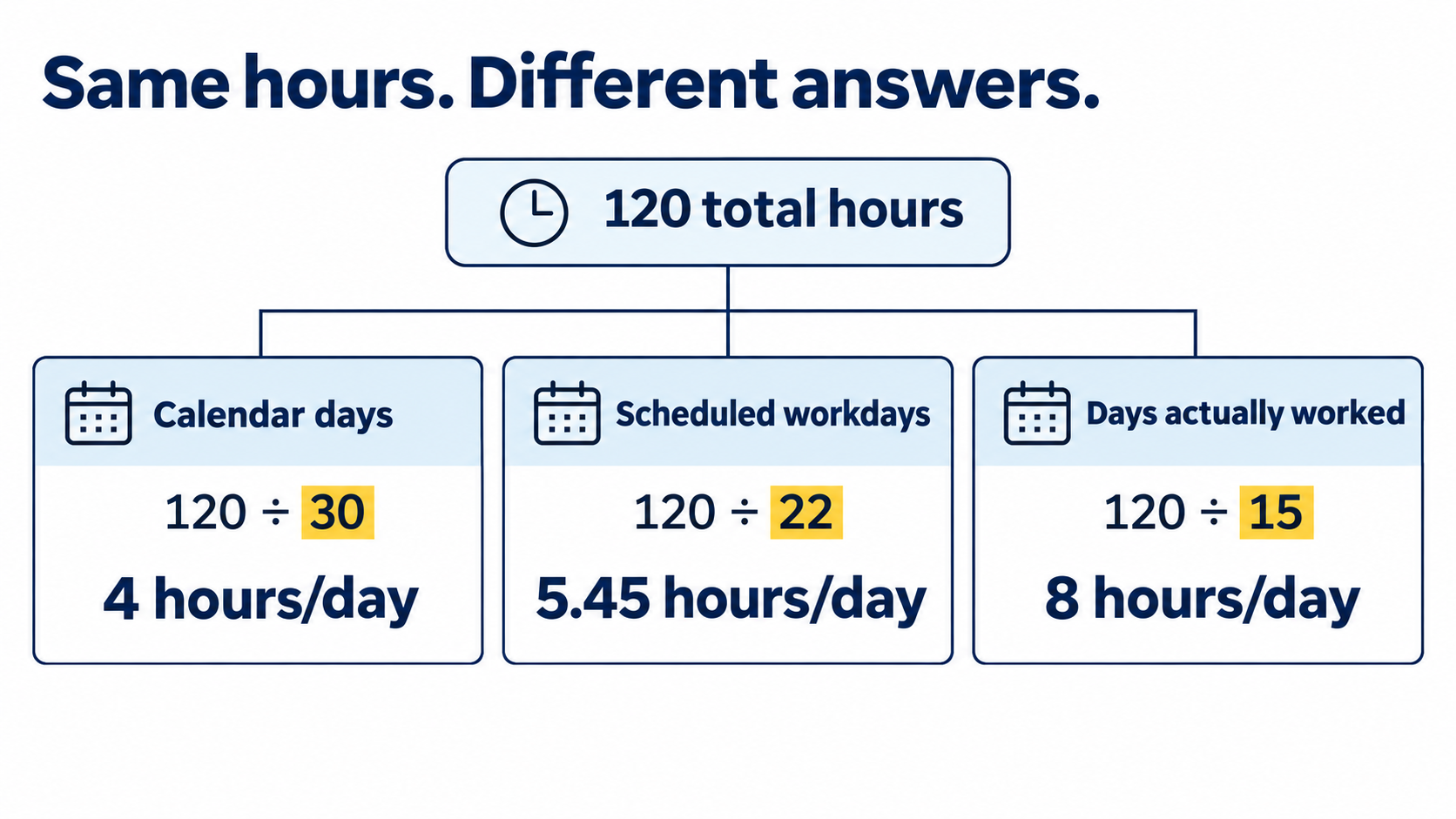
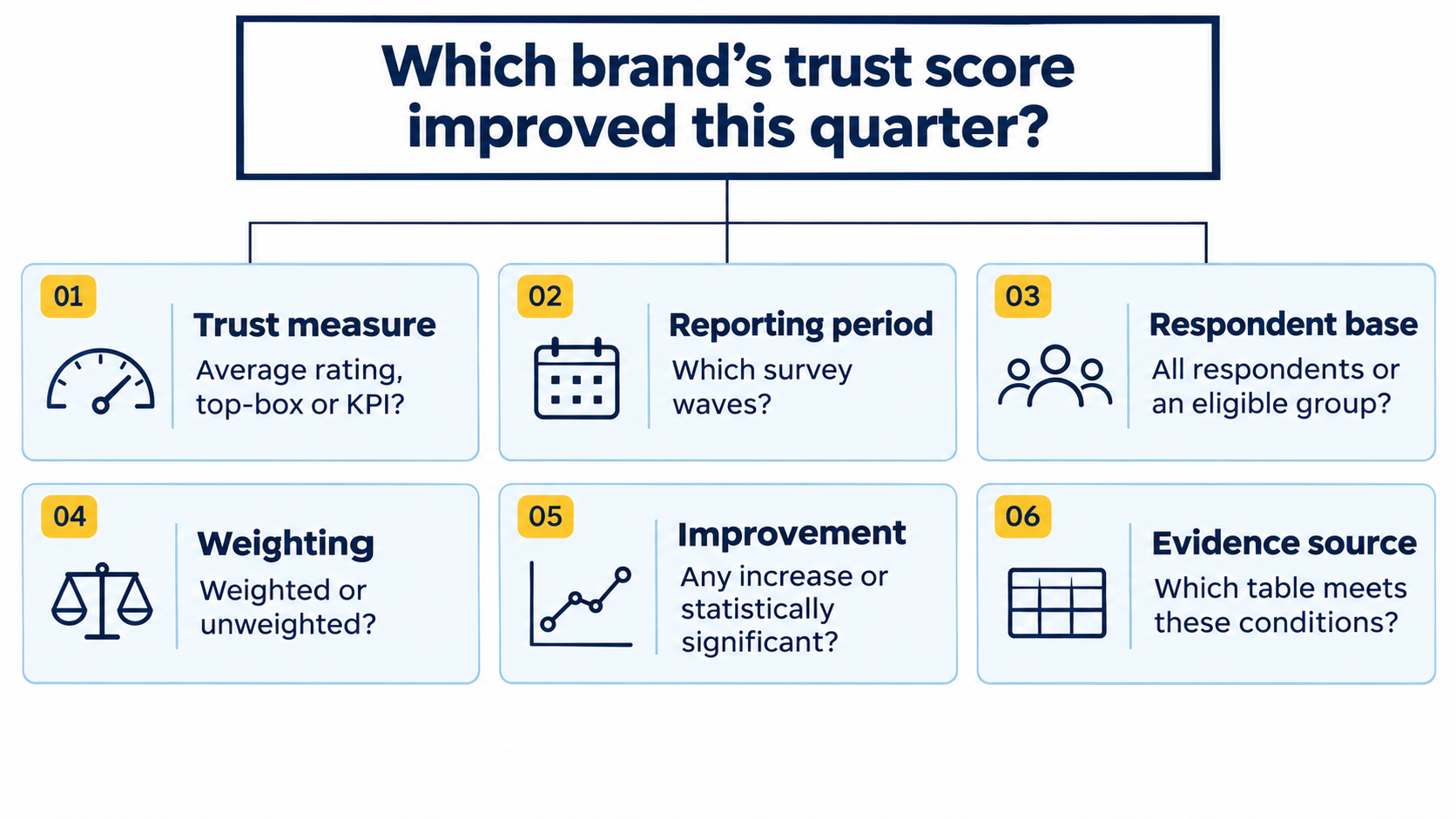
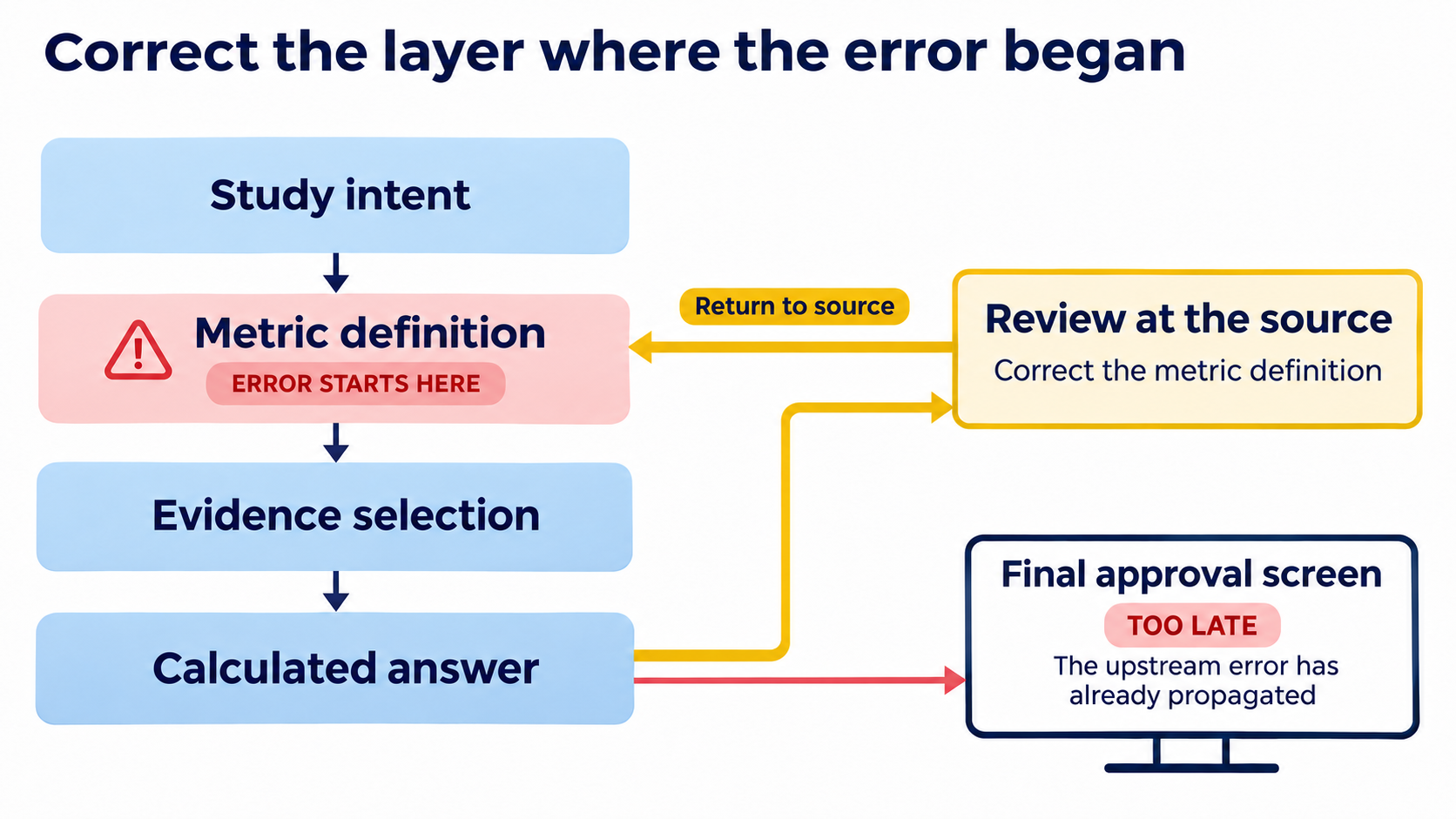
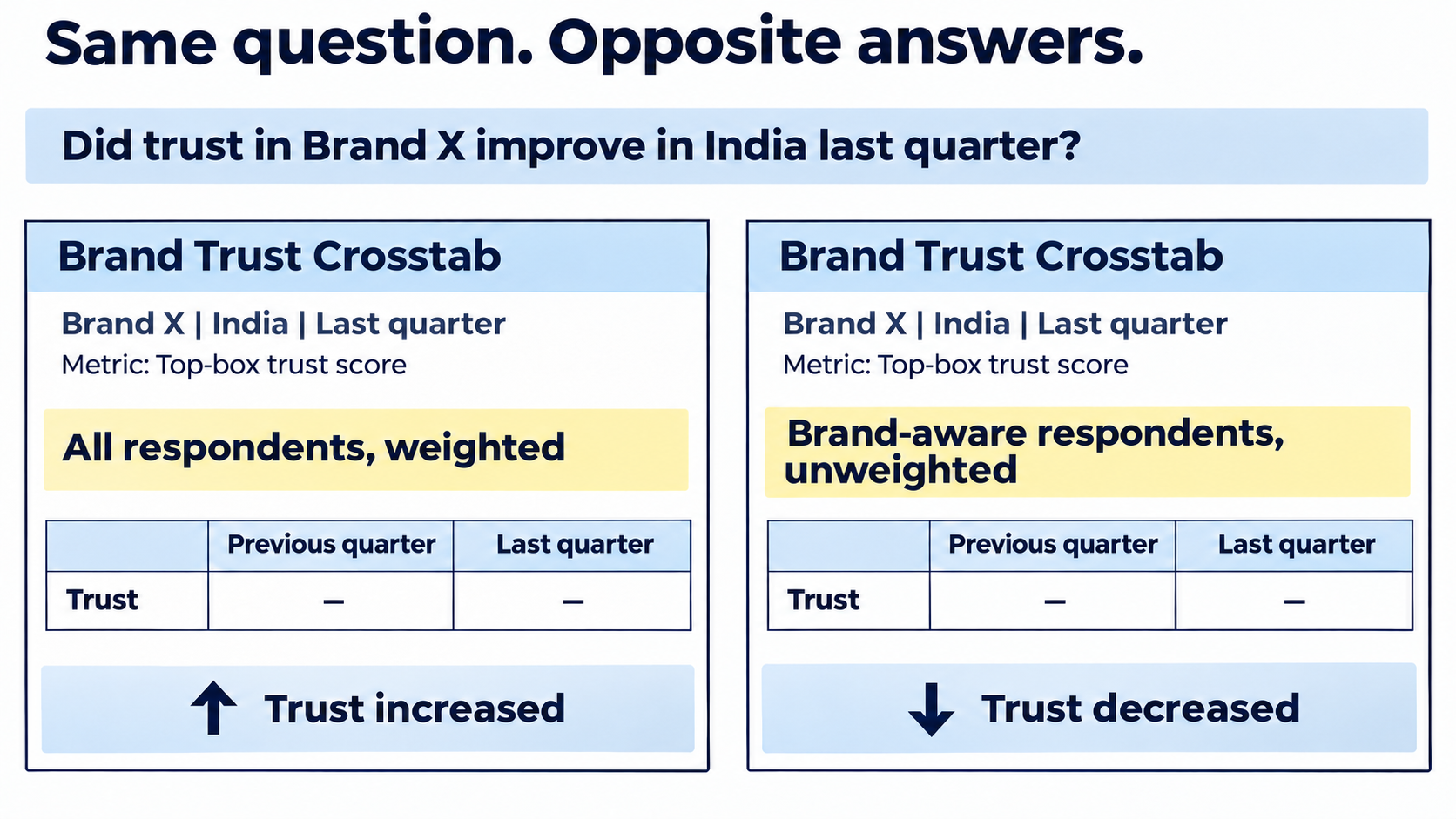
In practice, the arithmetic is correct and the explanation is coherent, yet the answer is wrong. The system chose the wrong evidence, followed the wrong relationship between tables or resolved an ambiguous business term into a definition the user never intended. The error was made before any calculations began.
This distinction matters as enterprises move from conversational AI experiments to systems that support business decisions.…