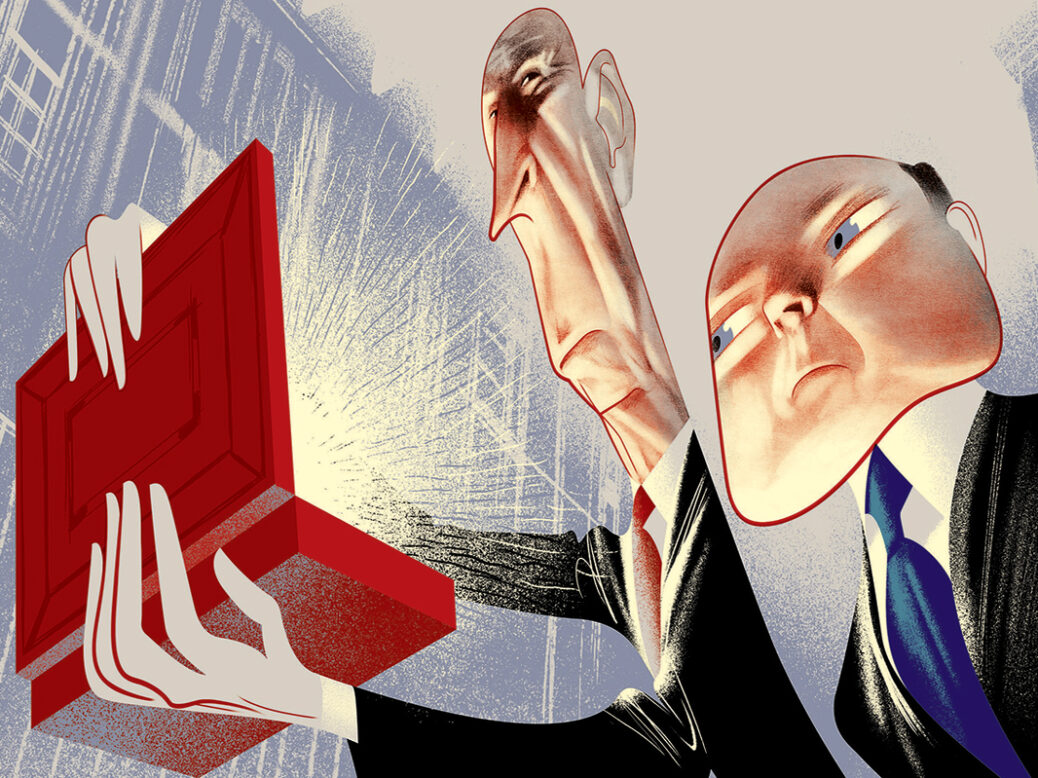
Illustration by Andre Carrilho
For most people, the Budget is over on the day it’s announced. After weeks, if not months, of fiscal peristalsis, the package of tax measures and spending commitments forms, hardens and drops with a splash into the bowl of public opinion. A glance, a grimace, and it’s flushed from view. In parliament, however, the Chancellor’s speech is only the beginning of a four-day fiscal festival, a Glastonbury of government-finance gristle-chewing: oral questions, Treasury select committee hearings and Budget debates. MPs are supposed to use this as an opportunity to scrutinise the Chancellor’s plans before they become law. Or they can use it to make useless, performative speeches about how their party would do things differently. Guess which option is more popular?
As soon as the Chancellor’s speech ends, MPs agree (provisionally) to the tax changes in the new Budget, to make sure no one has time to figure out how to give the government less money. Then the speeches begin.…