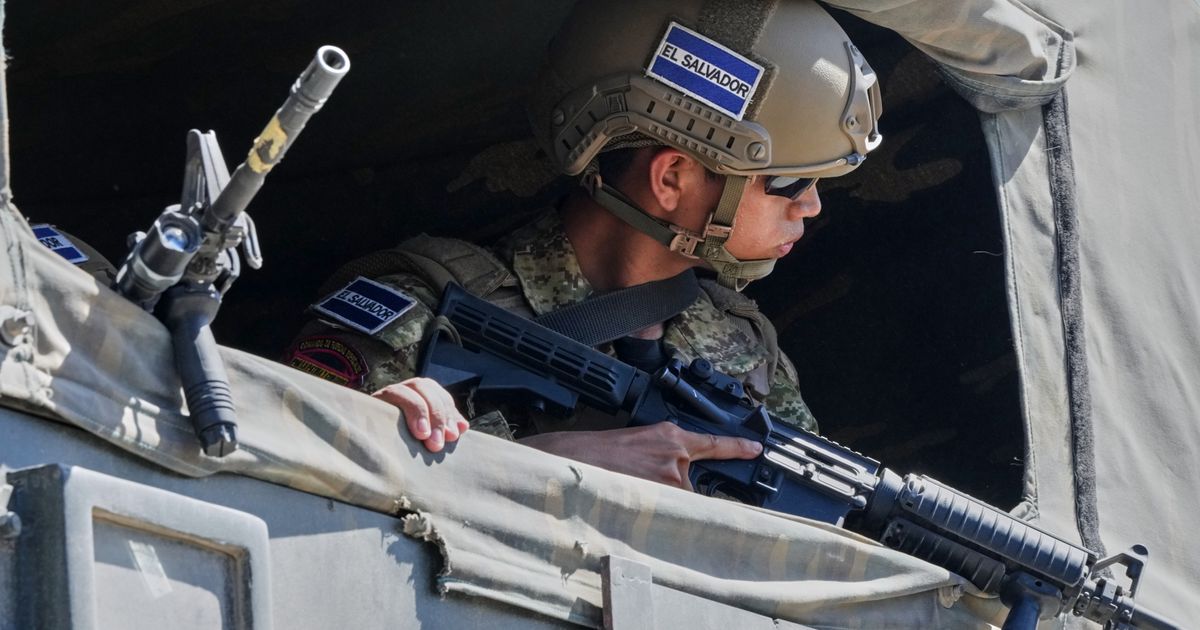
MEXICO CITY (AP) — Salvadoran troops bombard a gangster’s home from helicopters over the Haitian countryside. Civilians cheer on marching camouflage-clad soldiers. Armored cars drive through the Caribbean nation’s gang-ravaged streets.
The videos flood the social media of Salvadoran President Nayib Bukele, Salvadoran officials and an army of pro-government influencers with a simple message in a mix of Haitian Creole, English and Spanish: “We will help you take back your country … Finally, Haiti will be free.”
It’s part of Bukele’s push to present himself as the savior to Haiti’s gang crisis.
By doing so, experts say the communications specialist-turned-president seeks to defuse mounting international scrutiny over his troops’ deployment and drum up political support in his own country ahead of February elections.
But they say the offensive in Haiti is a high-stakes gamble that could both isolate allies like the Trump administration and dent popular support in his own country.
“It’s an electoral campaign…