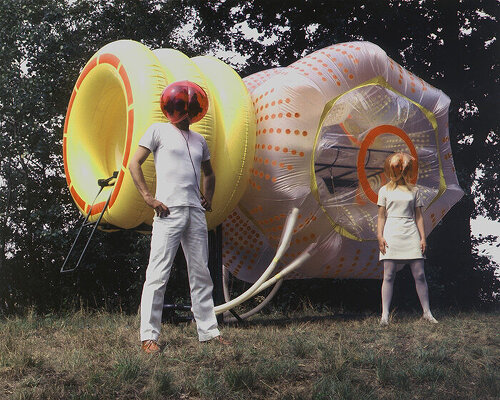
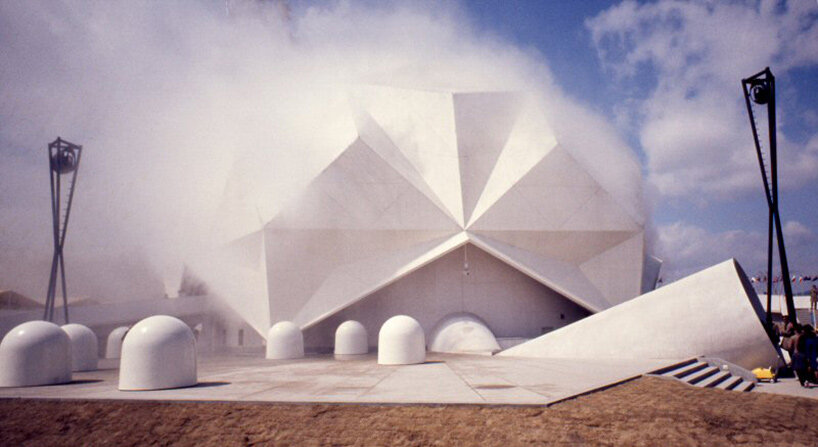
in the 1960s, artists began using motors, elastic structures, and pneumatic systems to transform the spaces we inhabit.
prefer designboom on google
when motion became a property of space
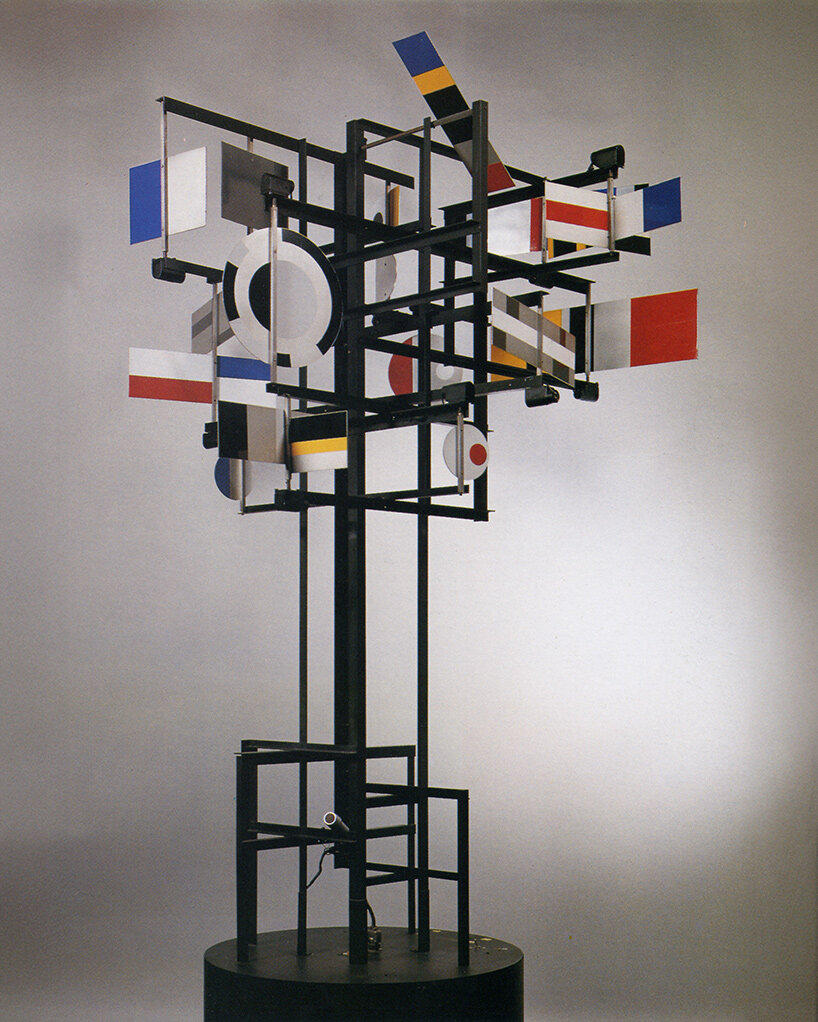
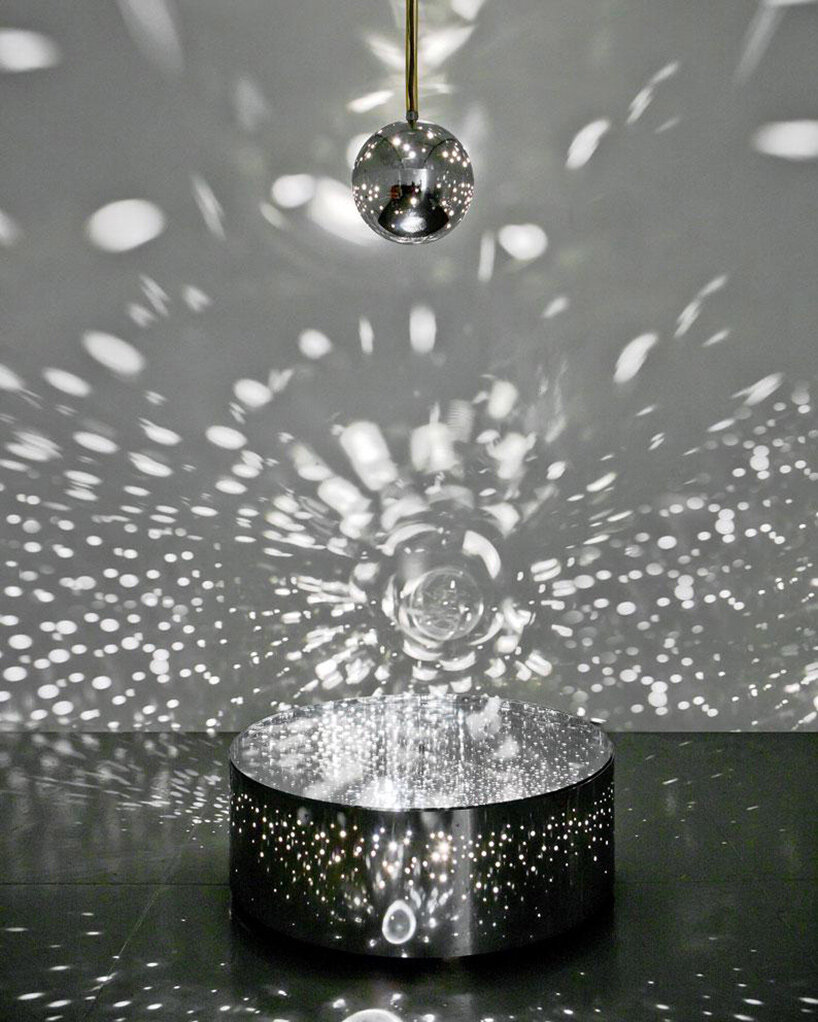
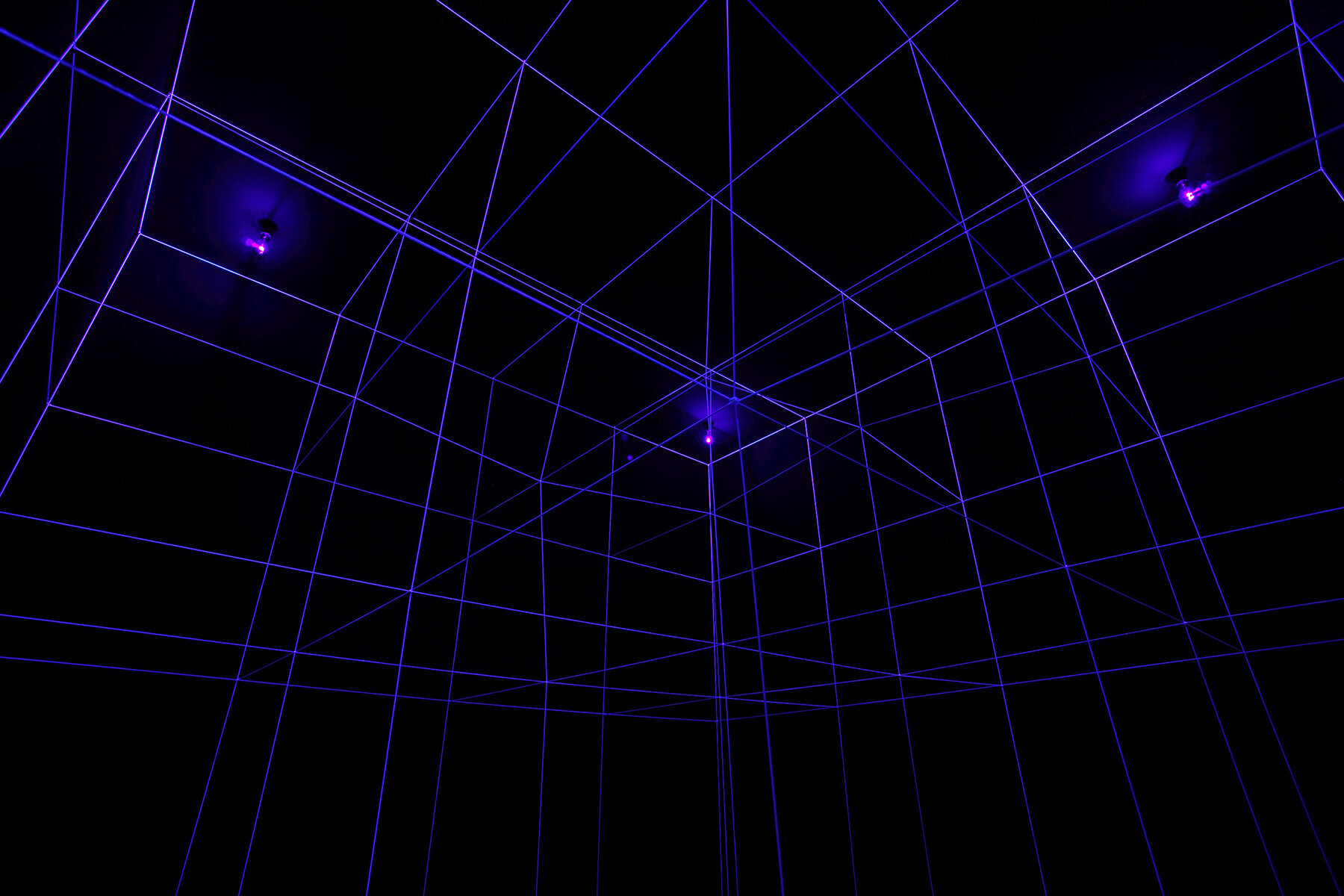
Throughout the 1950s and 1960s, an international network of artists began to explore the possibilities of kinetic art at the scale of architecture. Motors and electrical circuits found their way into museum galleries, where entire interiors could be animated with moving structures and artificial light. In some cases, the machinery responded to the viewer’s presence.
An early precedent for these experiments came from the Bauhaus. In 1930, Hungarian artist László Moholy-Nagy introduced his Light Prop for an Electric Stage, also known as the Light-Space Modulator, at an exhibition in Paris. As the machine’s metal components rotated, light passed through perforated surfaces and bounced off reflective elements. Its movements generated a second composition across the surrounding walls.…