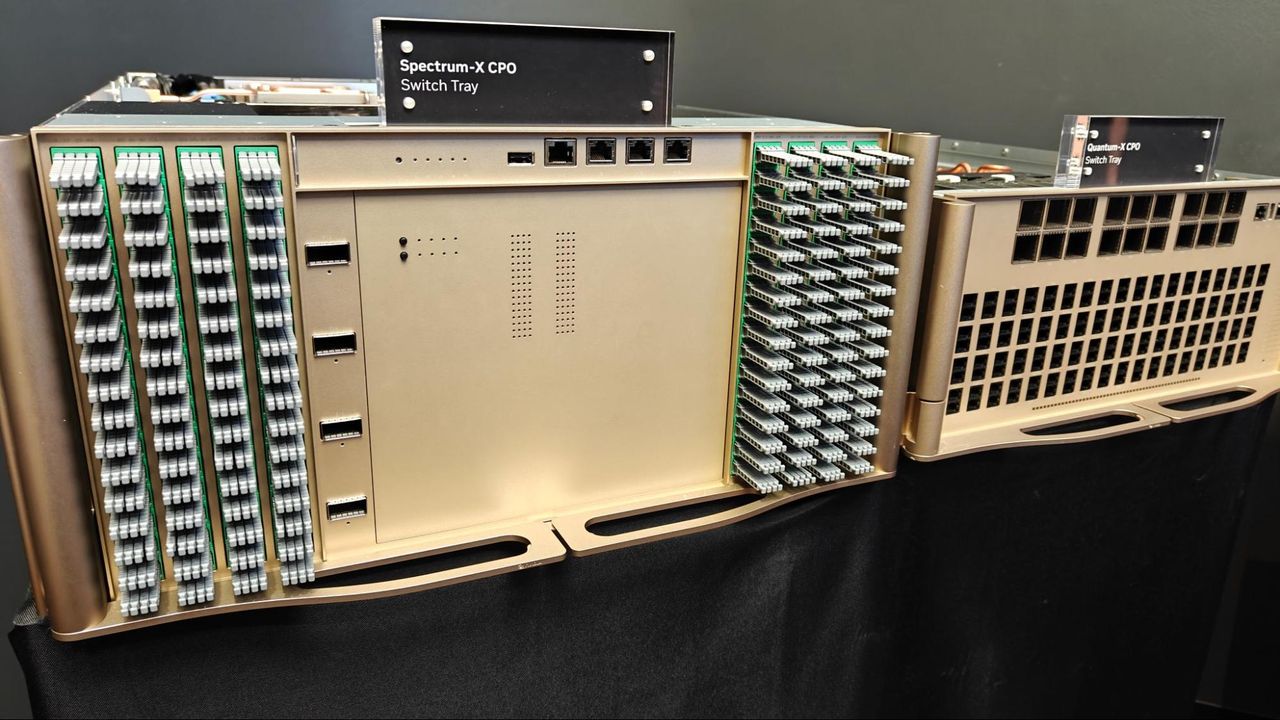
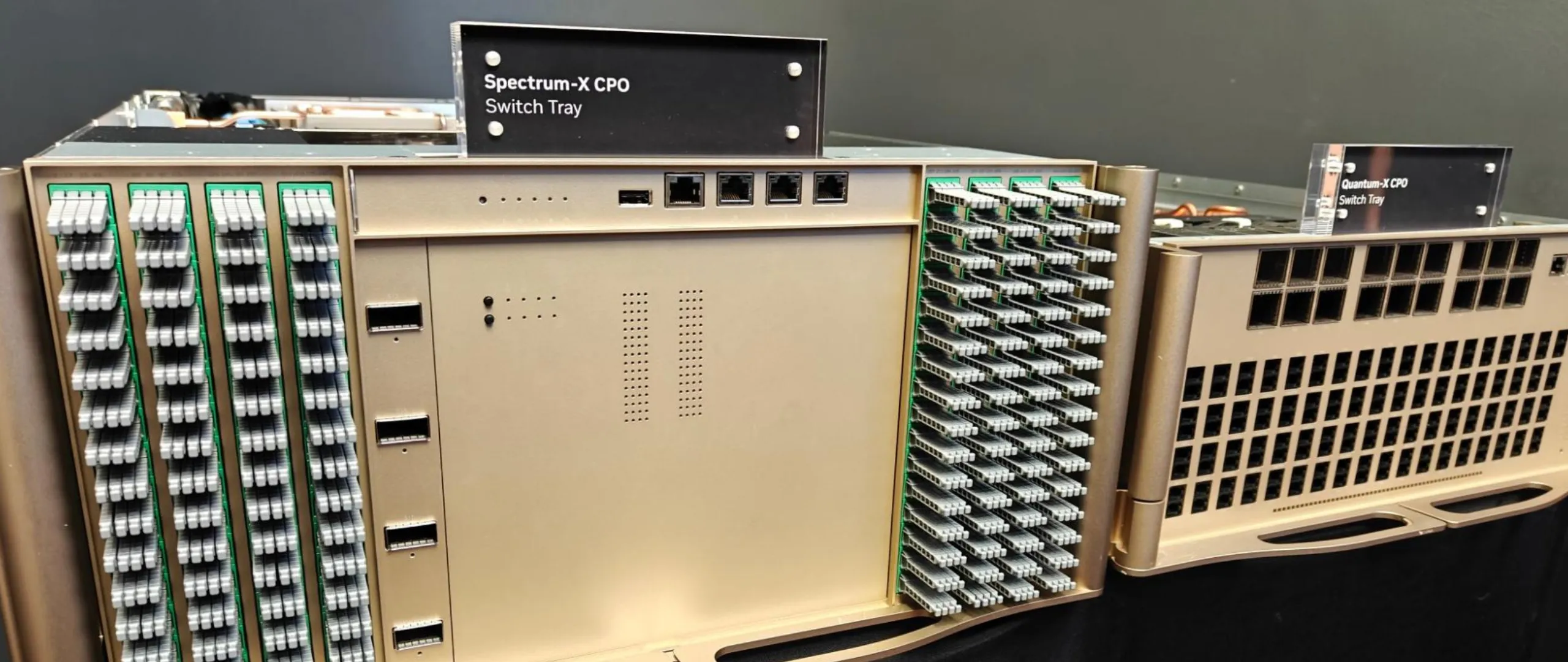
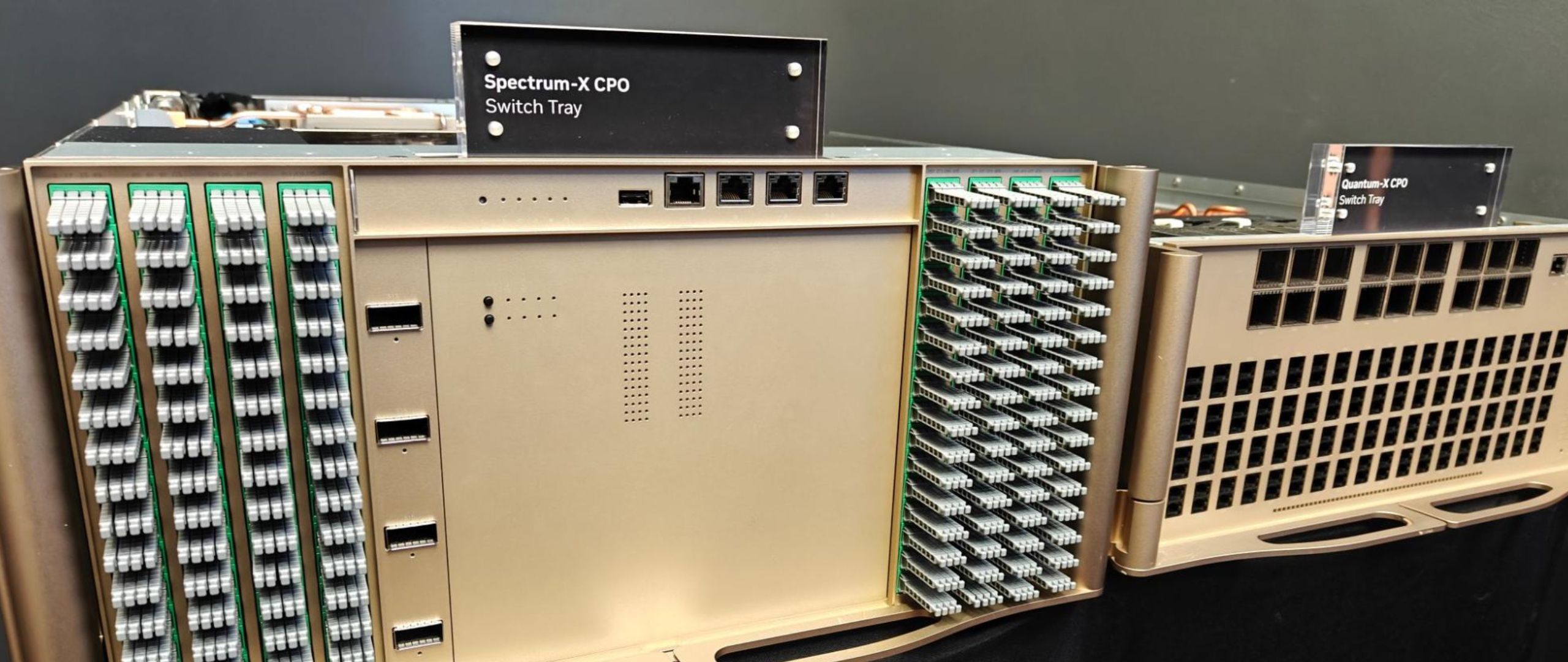
(Image credit: Tom's Hardware)
AI hardware has been a pretty simple game for years: Whose GPU has the most FLOPS, the most memory, or the fastest clock? But as hyperscalers want more performance from the same size of facilities, who controls the fabric between the chips is becoming another question frequently asked – in large part because it can dictate whether AI hardware follows the principles of Moore’s law that have held for decades, or breaks out into a new paradigm.
“Moore's Law is deader than a doornail, absolutely just toast,” said Nick Harris, chief executive of photonics firm Lightmatter , in an interview with Tom's Hardware Premium . The way to make a processor faster used to be to pack in more silicon, but there is a physical limit to how big a single chip can be – so performance now depends on networking dozens, then hundreds, of chips together. “Ultimately, networking is the future of computing,” Harris said.…