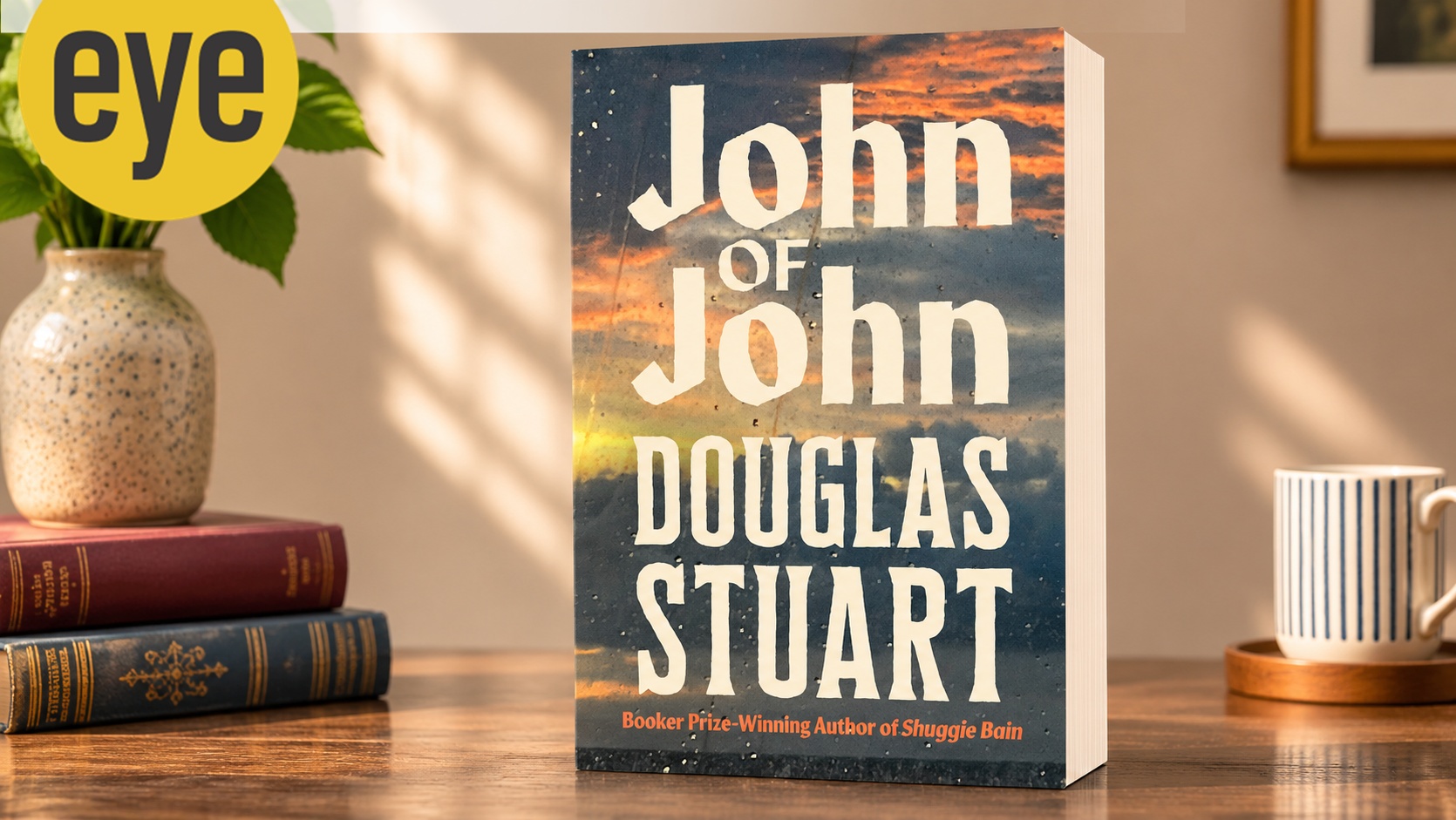
There is a truth, often unsaid, about putrefied desire and how the smell of its decay worms its way into every kind of love – between siblings and friends, children and parents, even the parts of yourself that would otherwise flourish. At the end of Douglas Stuart’s John of John , it becomes clear that what we in the Subcontinent call “majboori” can become a habit of the soul, that the claustrophobia of helplessness is something we can all become comfortable with, till it either erupts in destruction or withers away a life that bleeds out in an unremarkable death.
John-Calum (Cal) Macleod, gay, unemployed and seemingly unemployable in ’90s Scotland, is summoned home by his father, John Senior. In the small, dying island town, there is nothing but the stern, Presbyterian father, the sheep, weaving and a grandmother, both tender and ailing. The relationship between father and son is mediated by religion, a sense of the family name, and Cal’s duty to both.…