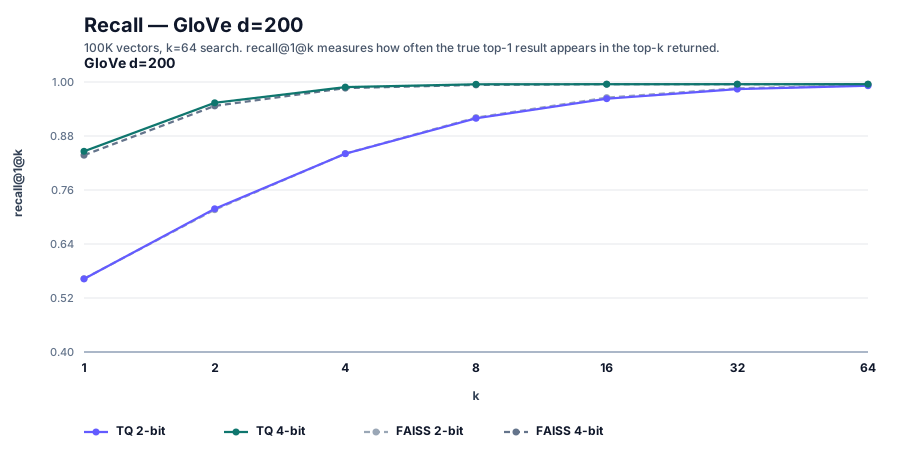
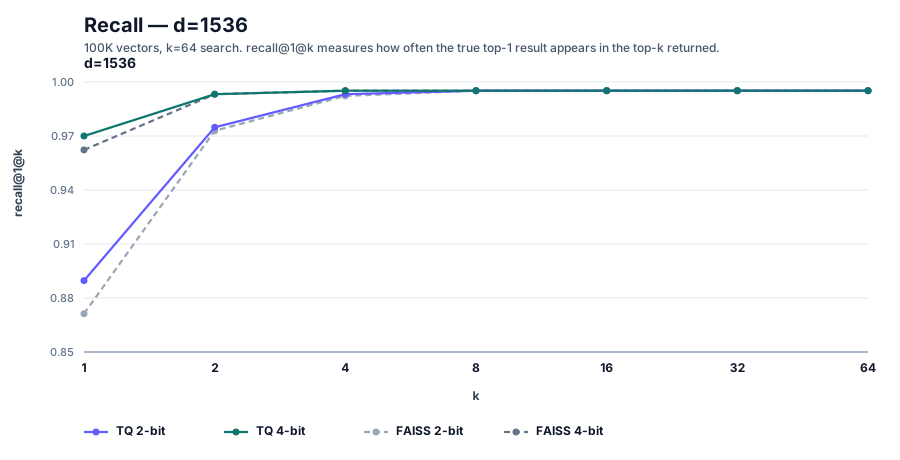
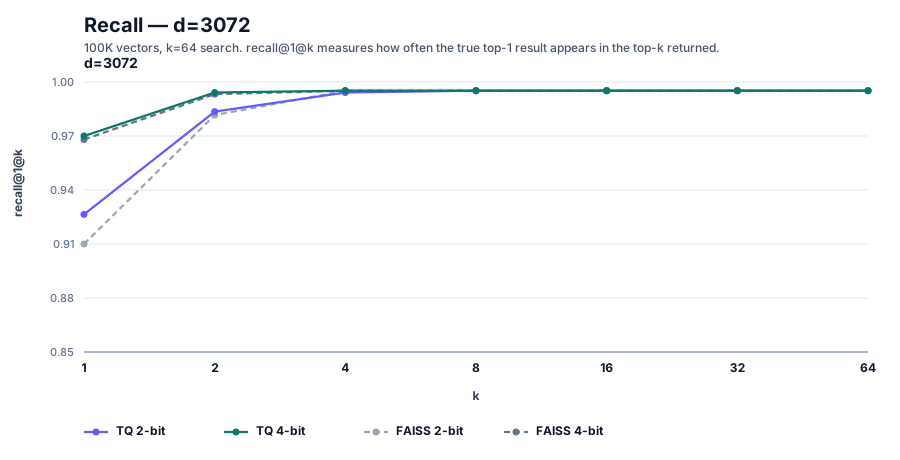
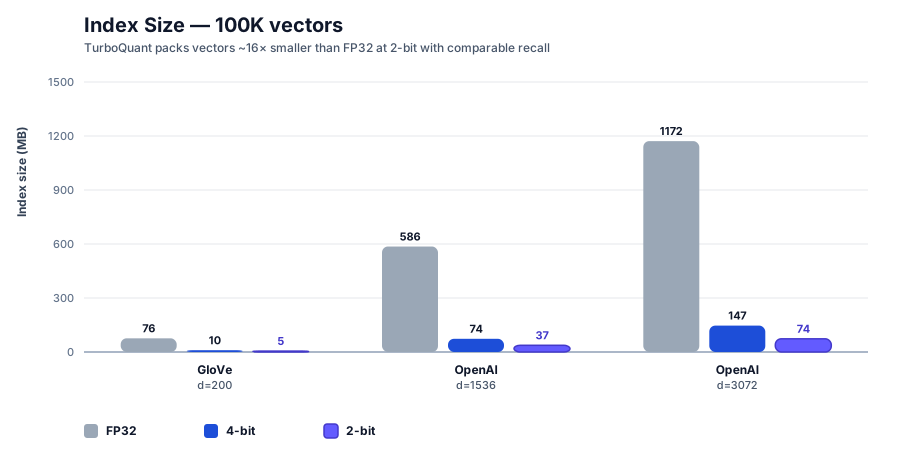
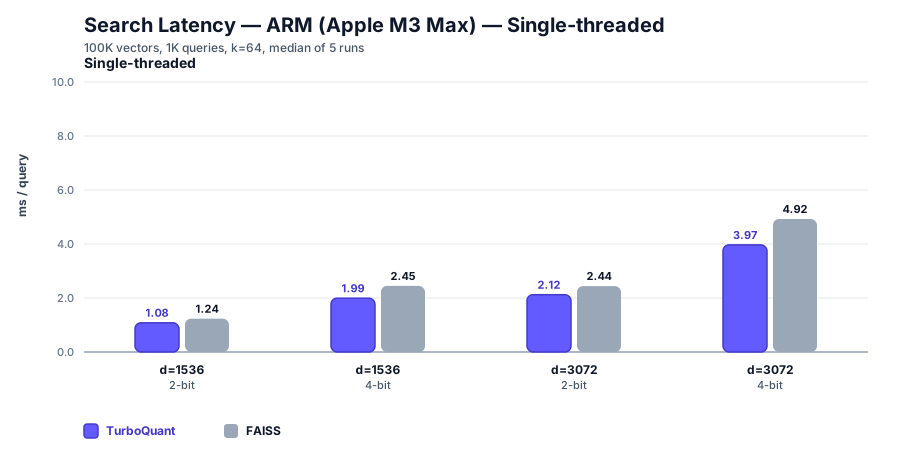
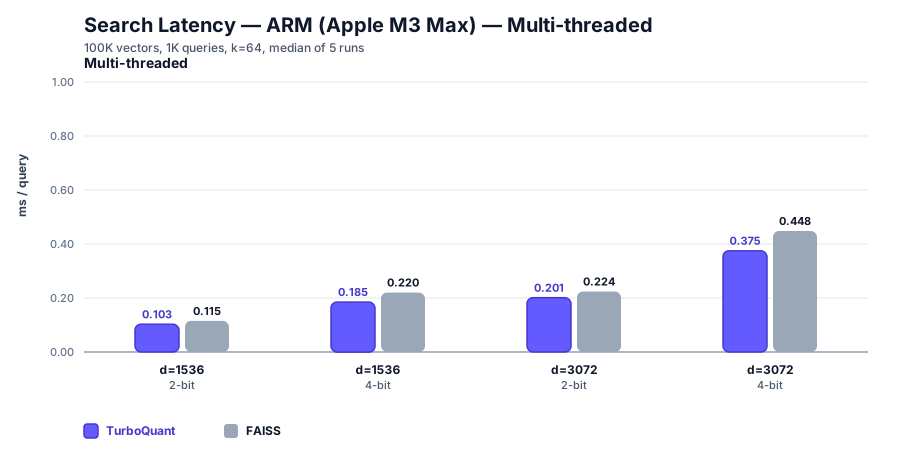
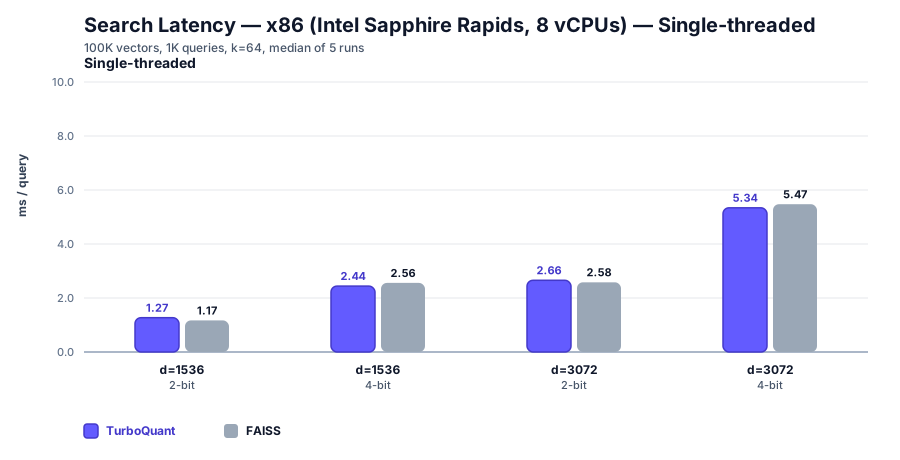
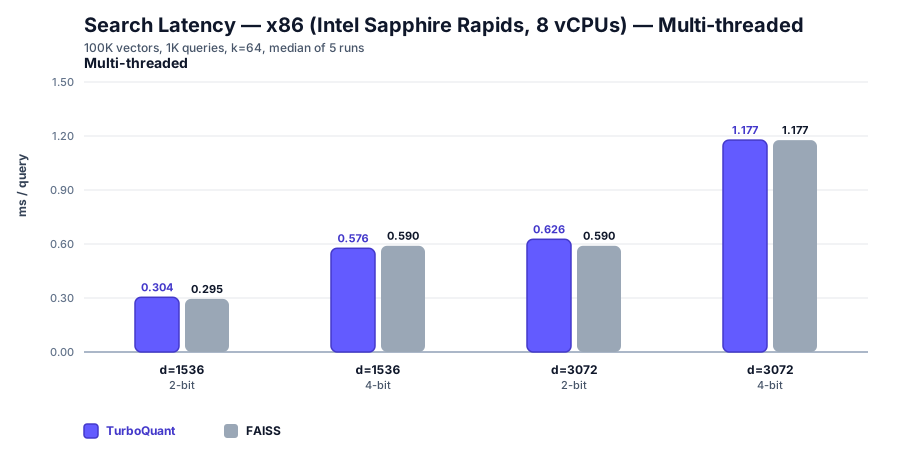
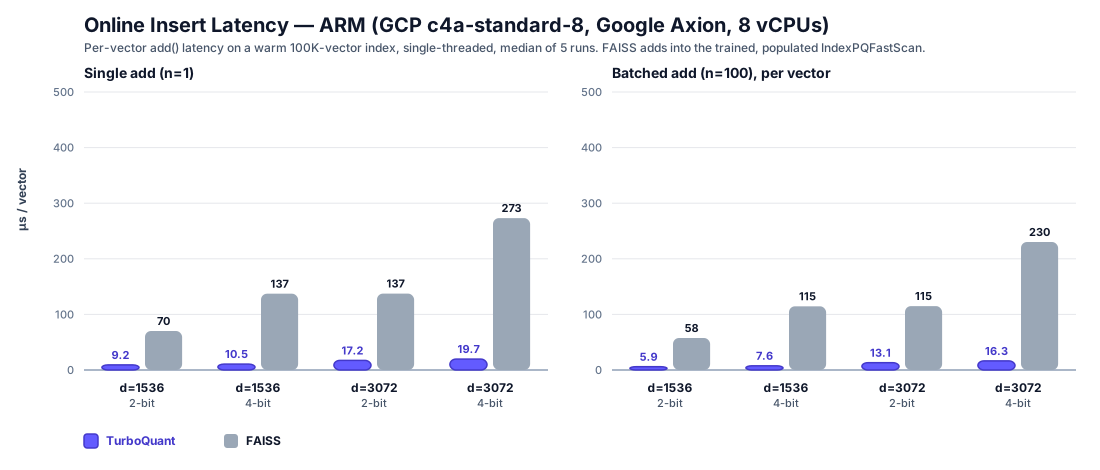
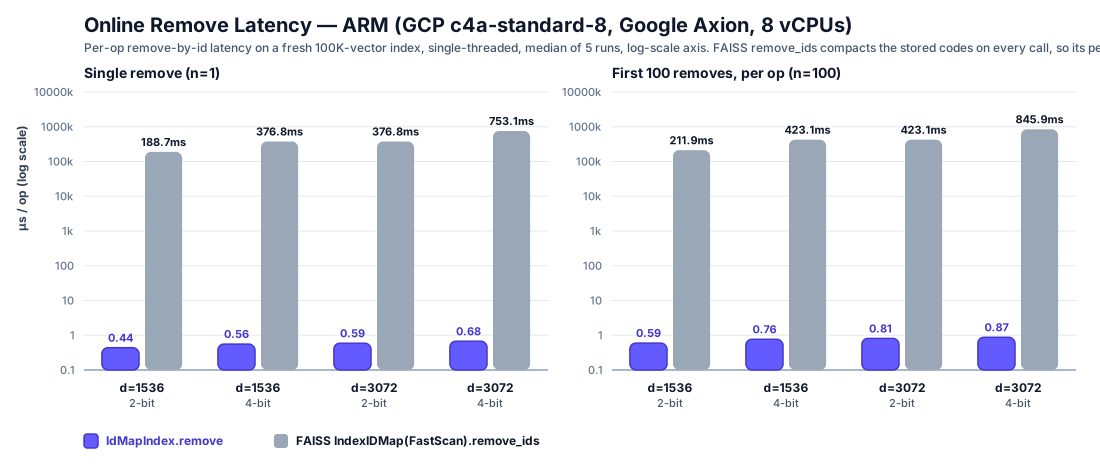
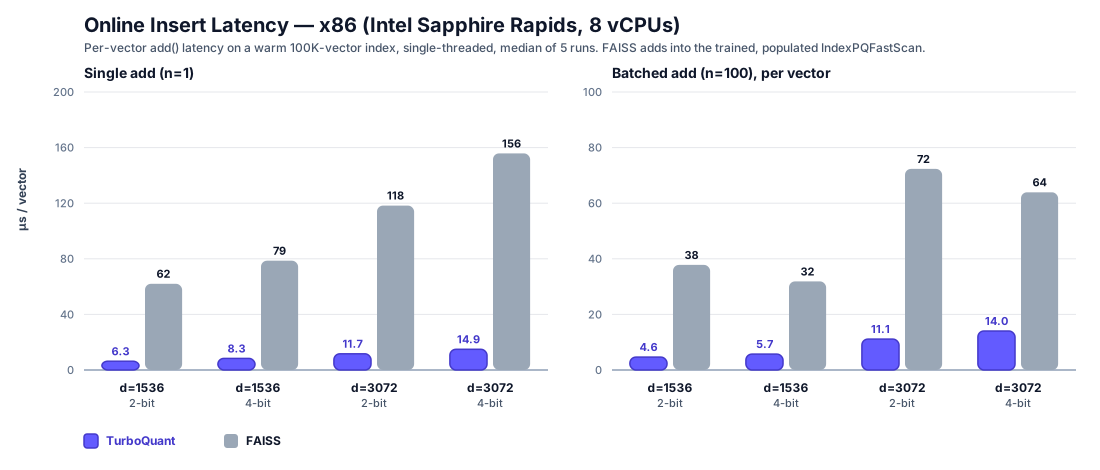
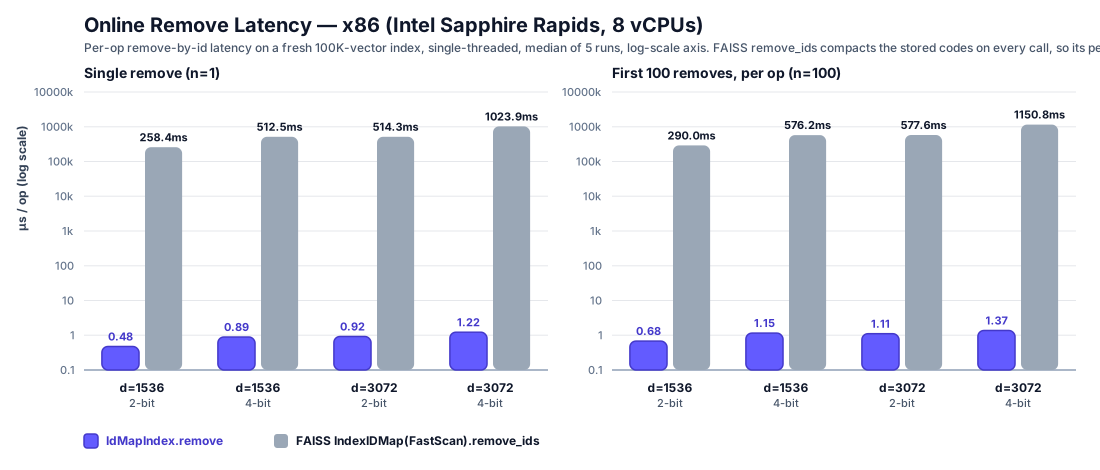
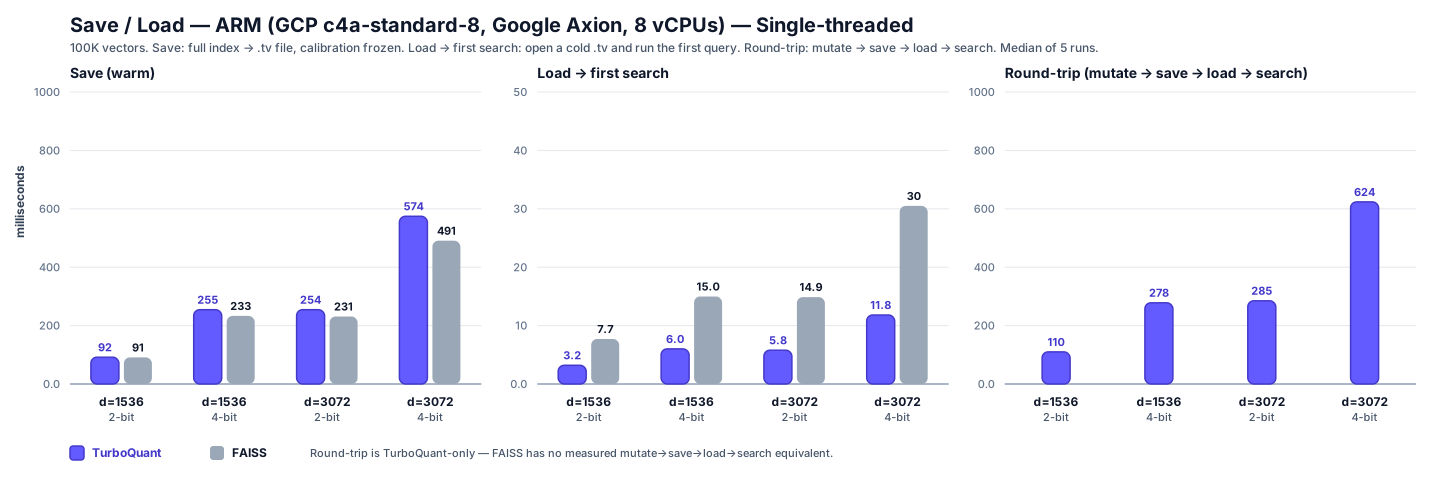
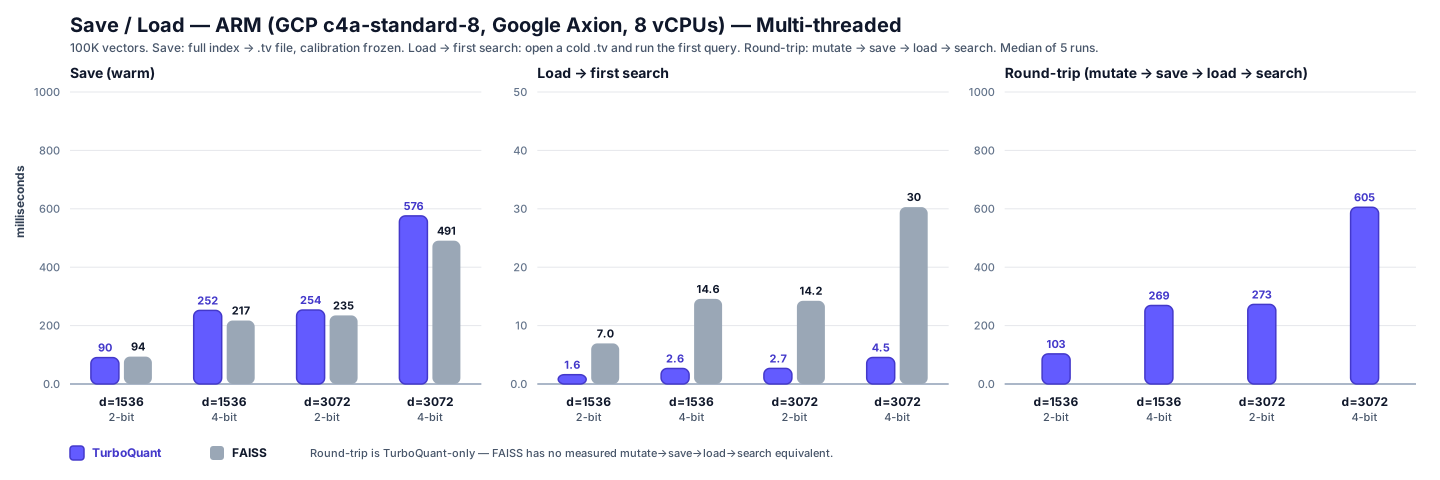
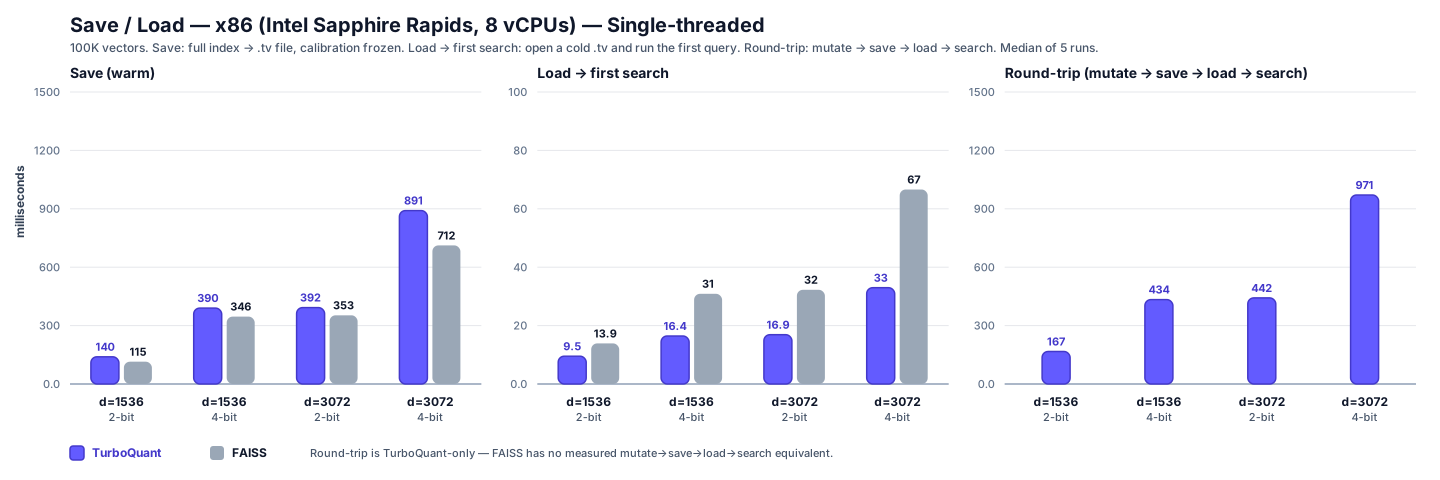
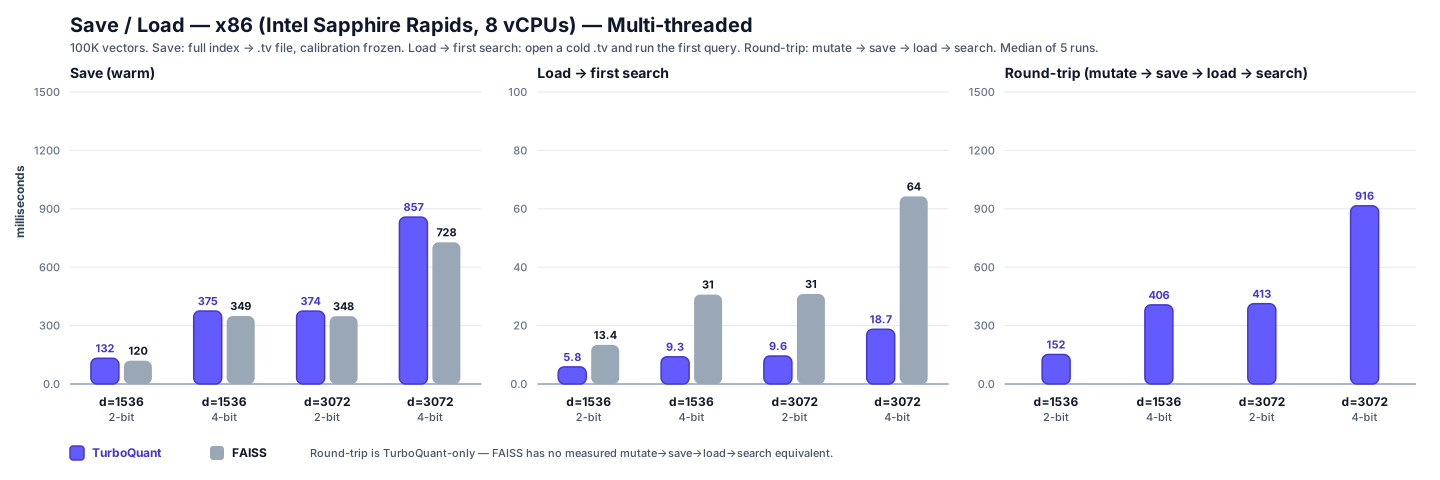
A 10 million document corpus takes 31 GB of RAM as float32. turbovec fits it in 4 GB - and searches it faster than FAISS. turbovec is a Rust vector index with Python bindings, built on Google Research's TurboQuant algorithm — a data-oblivious quantizer with near-optimal distortion and no separate training phase. Online ingest. Add vectors, they're indexed — no train step, no parameter tuning, no rebuilds as the corpus grows. Fast SIMD search. Hand-written kernels — NEON SDOT/SMMLA on ARM, AVX-512 VNNI and vpermb on x86, with AVX2 and scalar fallbacks — beat FAISS IndexPQFastScan in every measured config, averaging 3.4× at 4-bit and 23% at 2-bit across the eight cells of each width, on both architectures. Incremental saves. sync(path) persists just what changed since the last sync — one fsync per call, crash-safe at any byte, and a removal or a small append costs milliseconds however large the index. write / load stay for whole-file snapshots. Filter at search time.…