Key takeaways
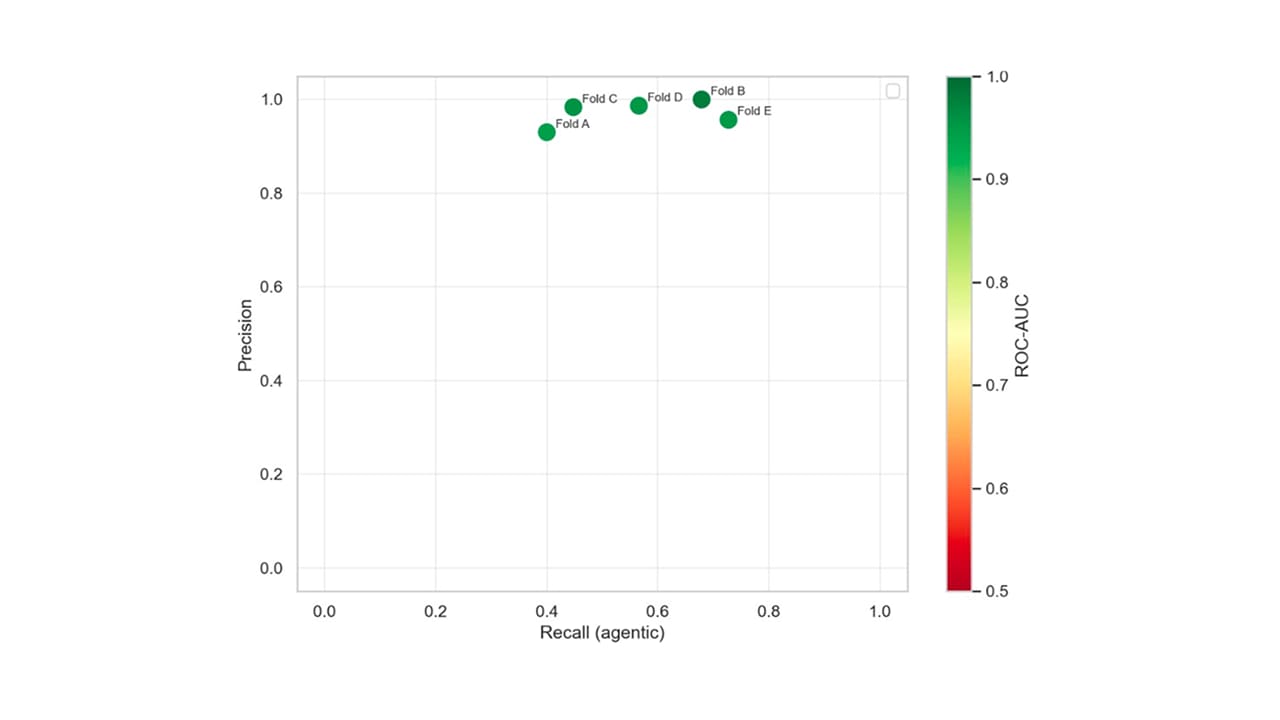
The two-stage architecture achieves a 0.981 area under the receiver operating characteristic curve (ROC-AUC) and 92.4% agentic recall on request sequences with at least five mouse events, reliably ranking autonomous agent traffic above human sessions.
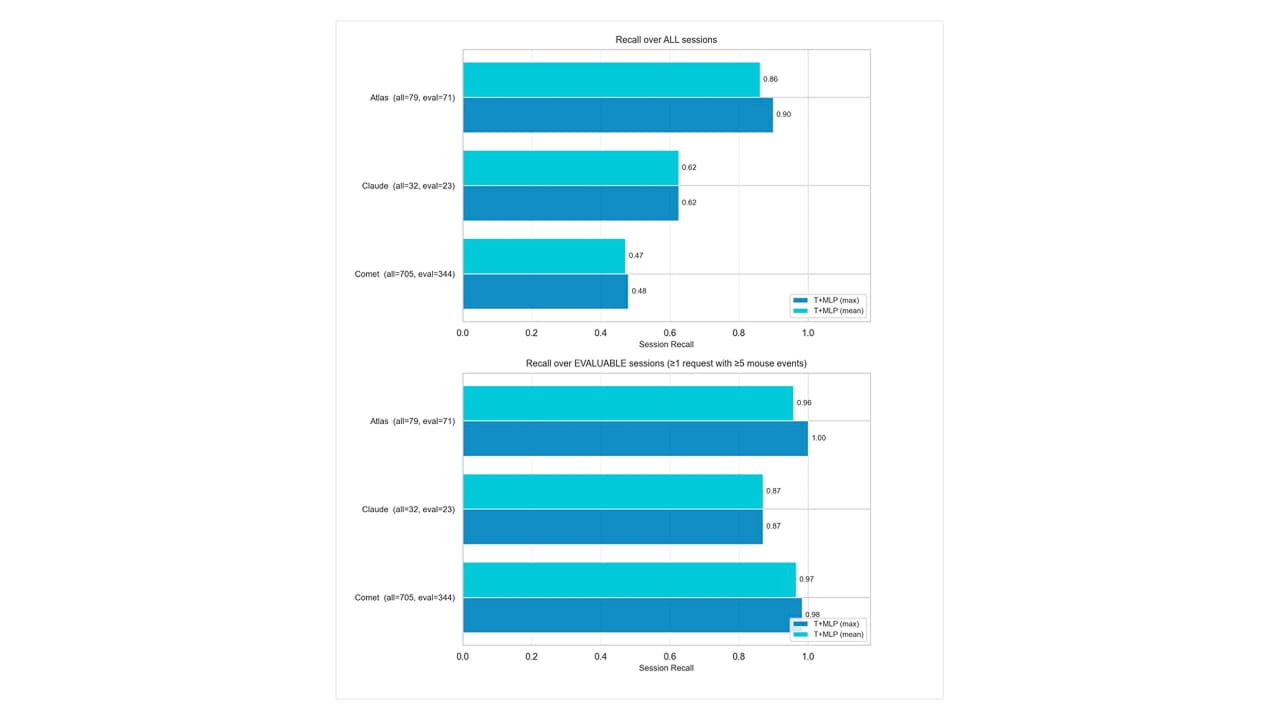
Overall session recall sits at 52.6%, but jumps to 97.9% on evaluable sessions. Performance varies significantly by tool based on how sparse their telemetry is — OpenAI Atlas sessions were 89.9% evaluable, whereas Perplexity Comet sessions were only 48.8% evaluable.
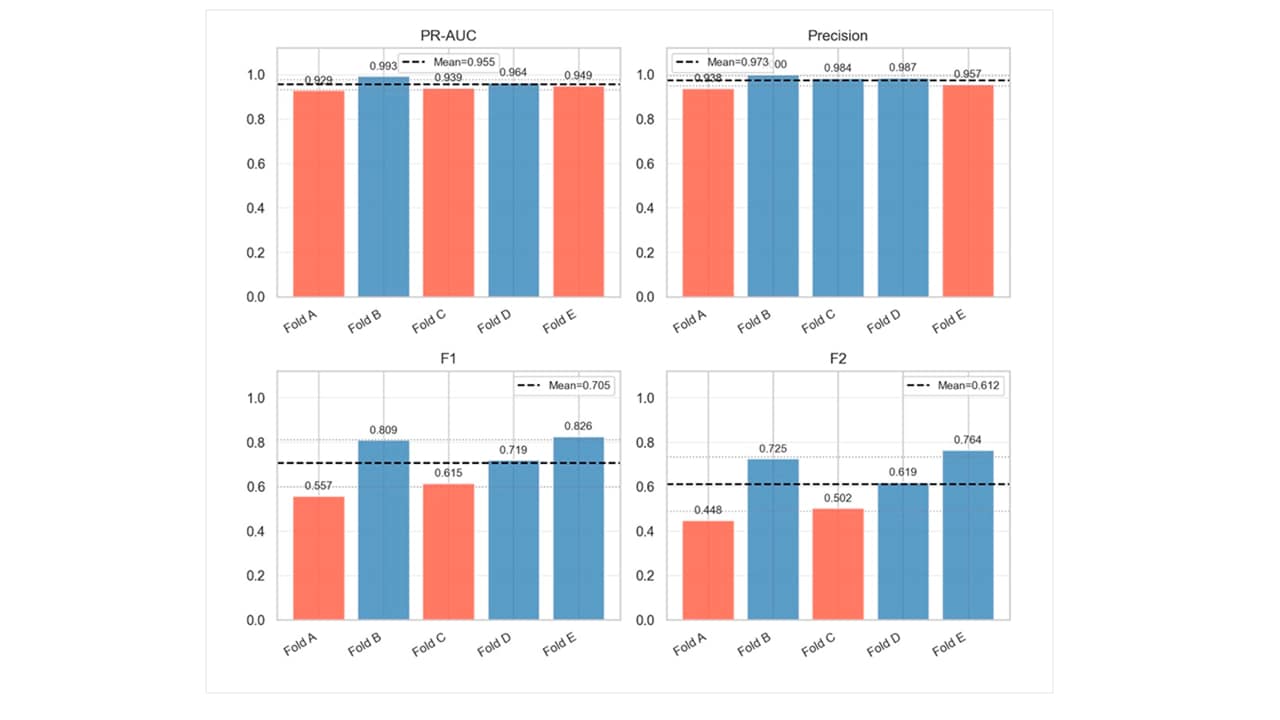
A leave-one-customer-out cross-validation demonstrated strong transferability across websites, maintaining a 0.956 ROC-AUC, proving the model learns universal behavioral signatures rather than site-specific patterns.
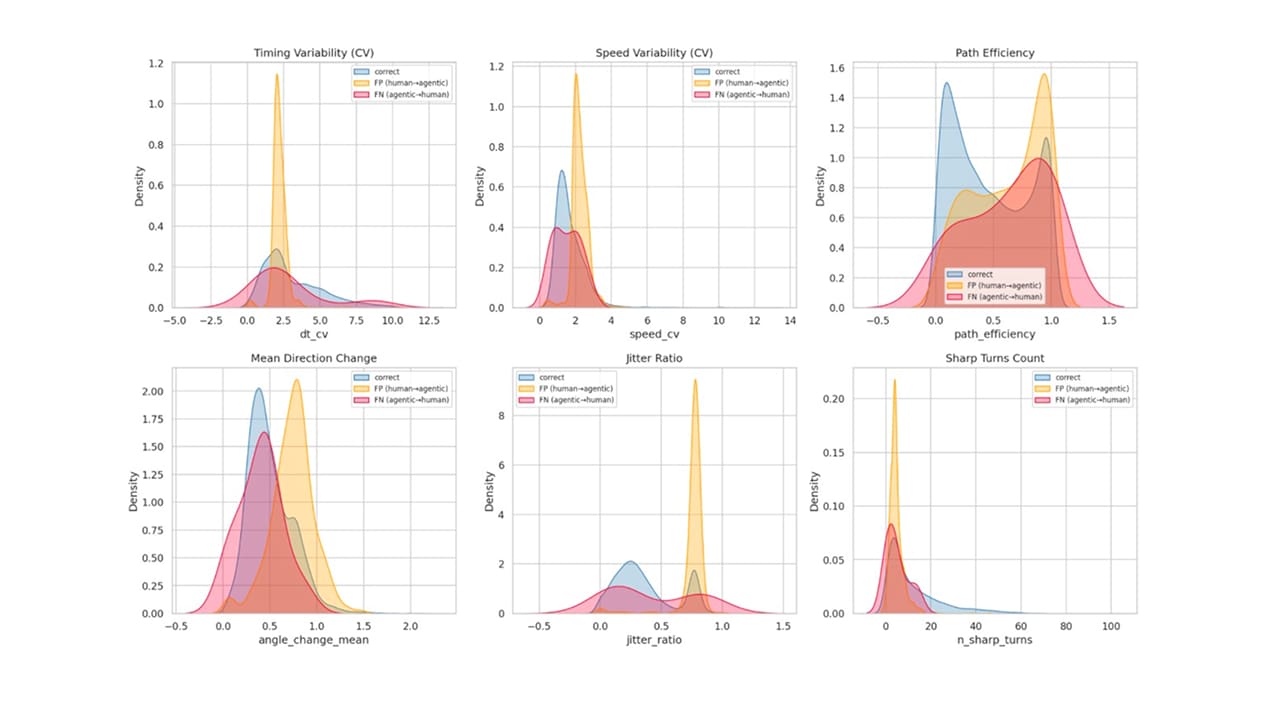
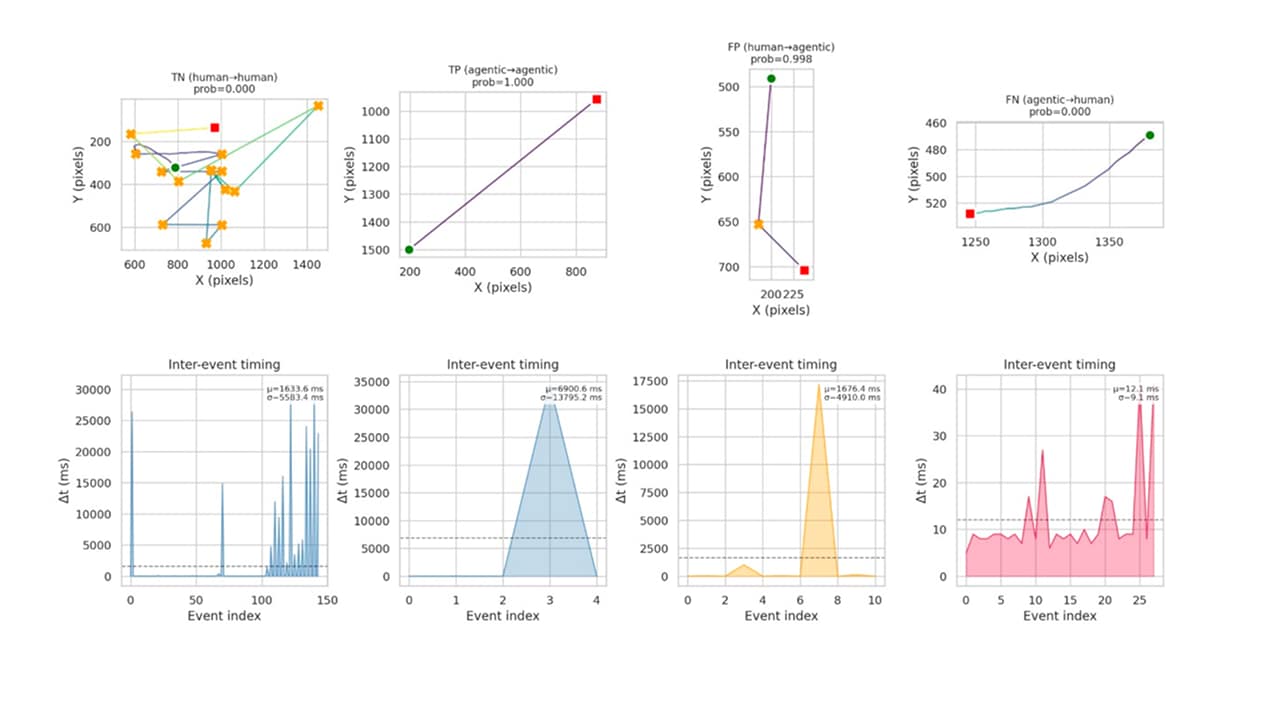
Agents display sparse, direct mouse movements with 2,000 ms to 3,000 ms idle gaps while “thinking,” contrasting sharply with the continuous, curvilinear trajectories of human users.
Designed as an insight signal rather than an outright blocker, the model is most…