Homer’s Iliad and Odyssey have made Troy one of the most famous cities of antiquity. And while real historical events may have inspired the account of the Trojan War, two recent archaeological discoveries provide further proof that the ancient site is much more than its association with the epic poems.
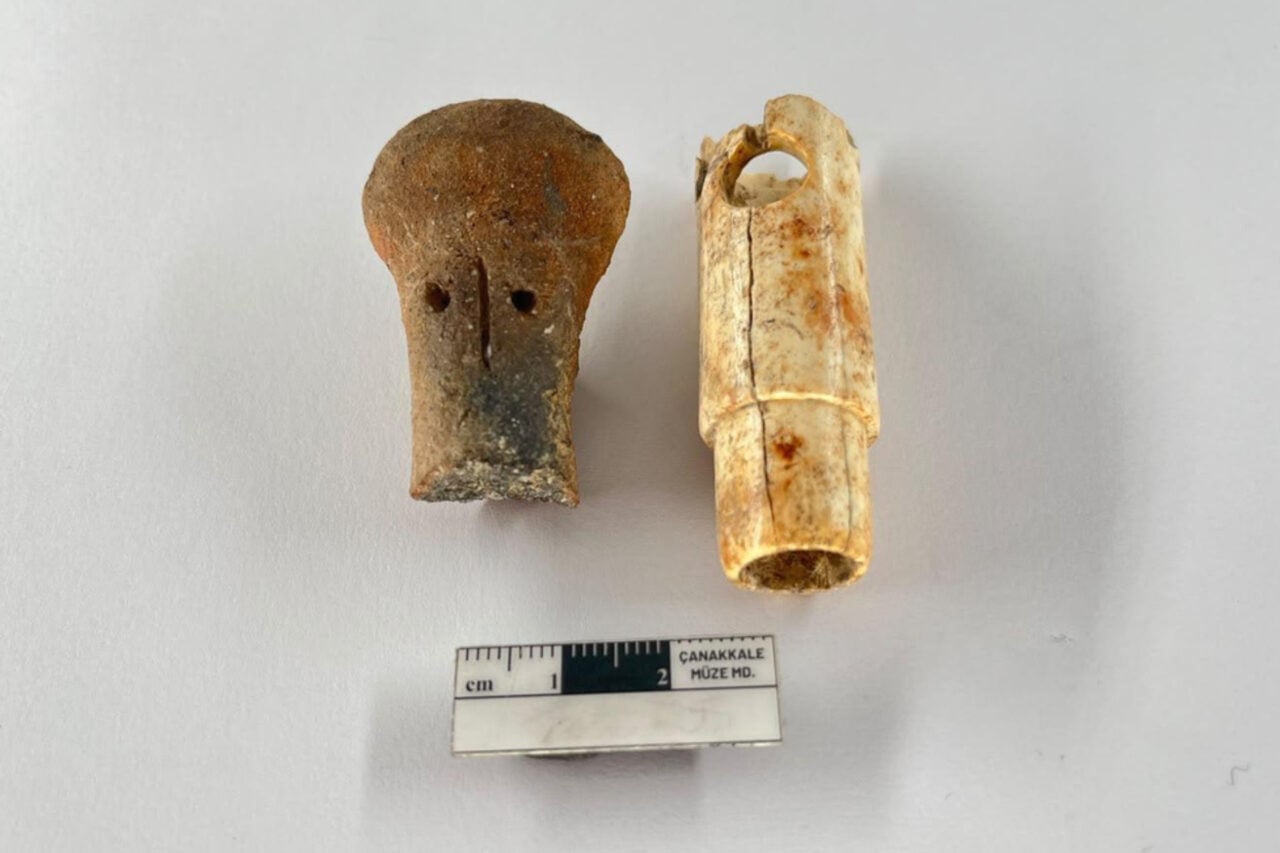
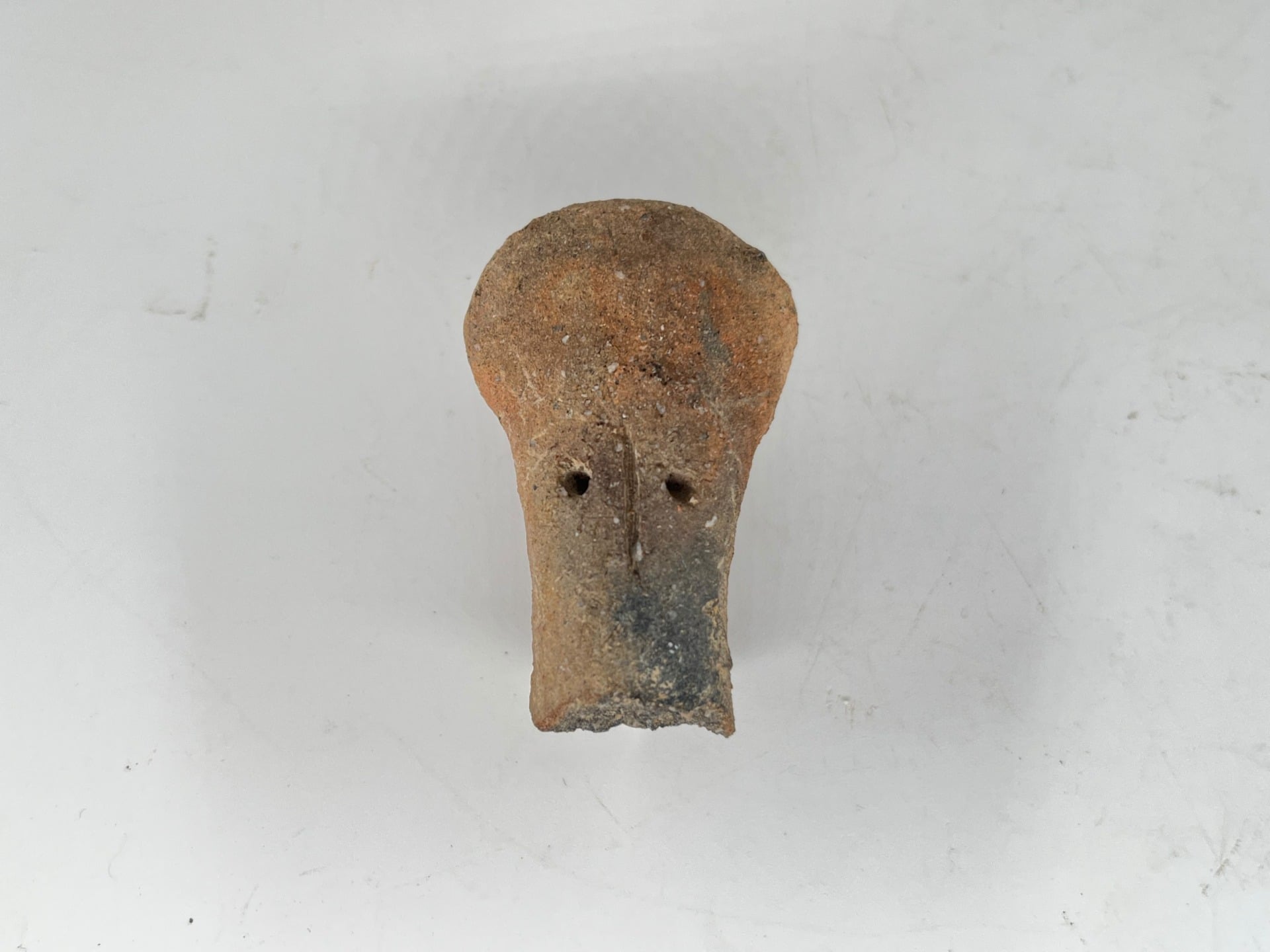
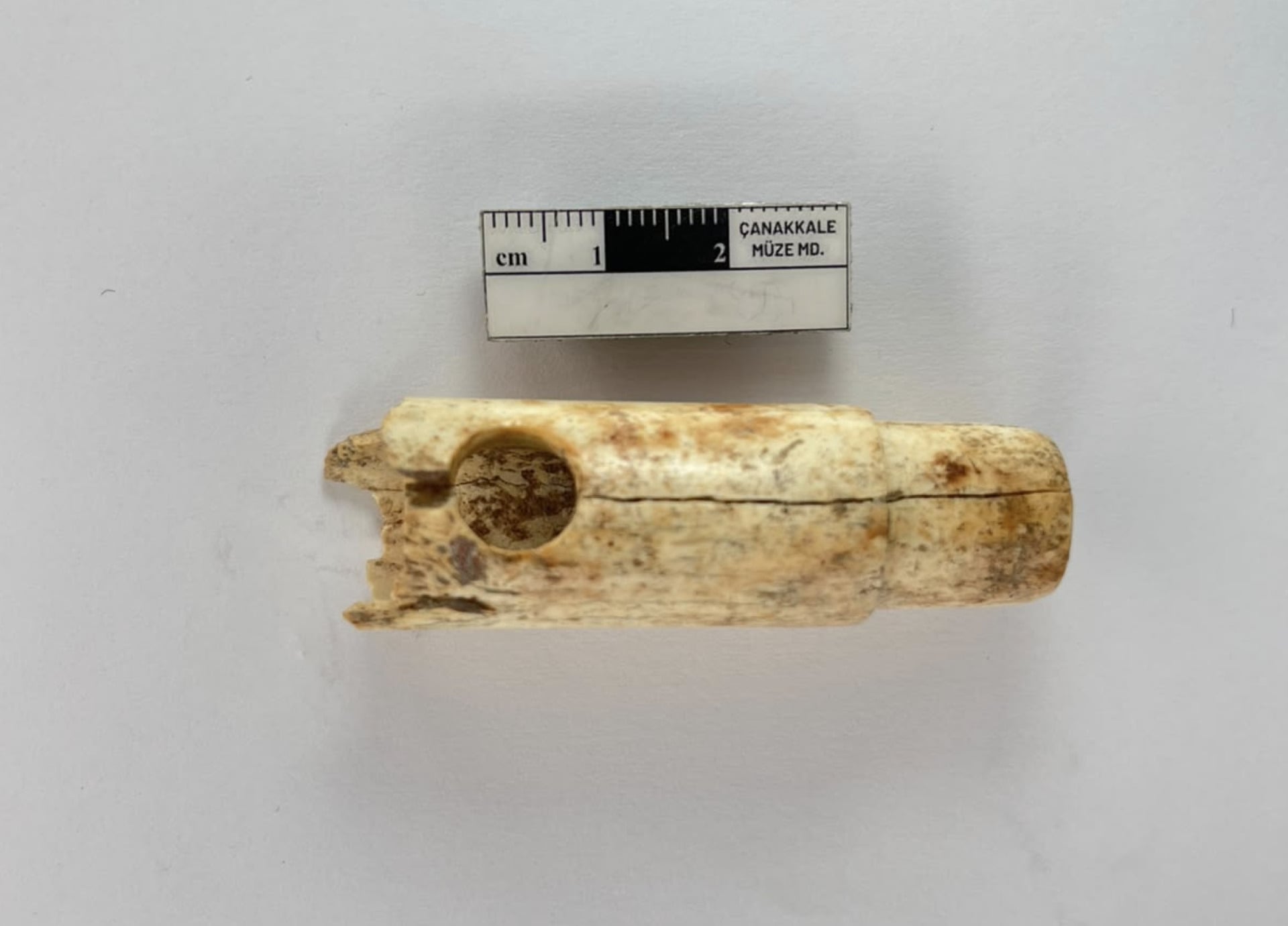
Archaeologists working at the archaeological site of Troy in modern-day Türkiye have discovered an approximately 4,500-year-old idol head and a roughly 2,700-year-old bone flute fragment. The two notable artifacts hail from periods before and after the era usually associated with the Troy depicted in Homer’s works, representing communities that unknowingly contributed to a now legendary city.
“Troy was not simply the setting of a legendary war.…