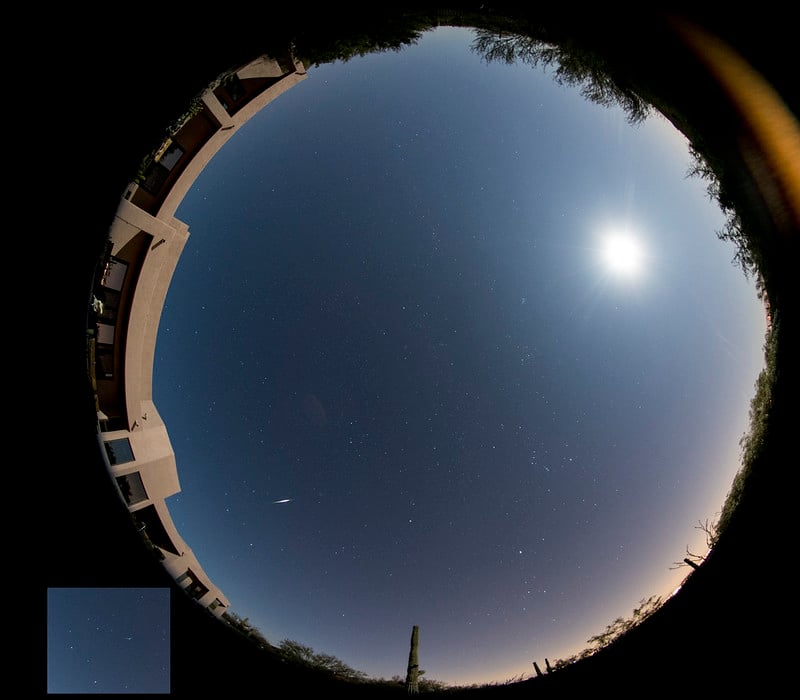
Why you should watch for the November Leonid meteors this year.
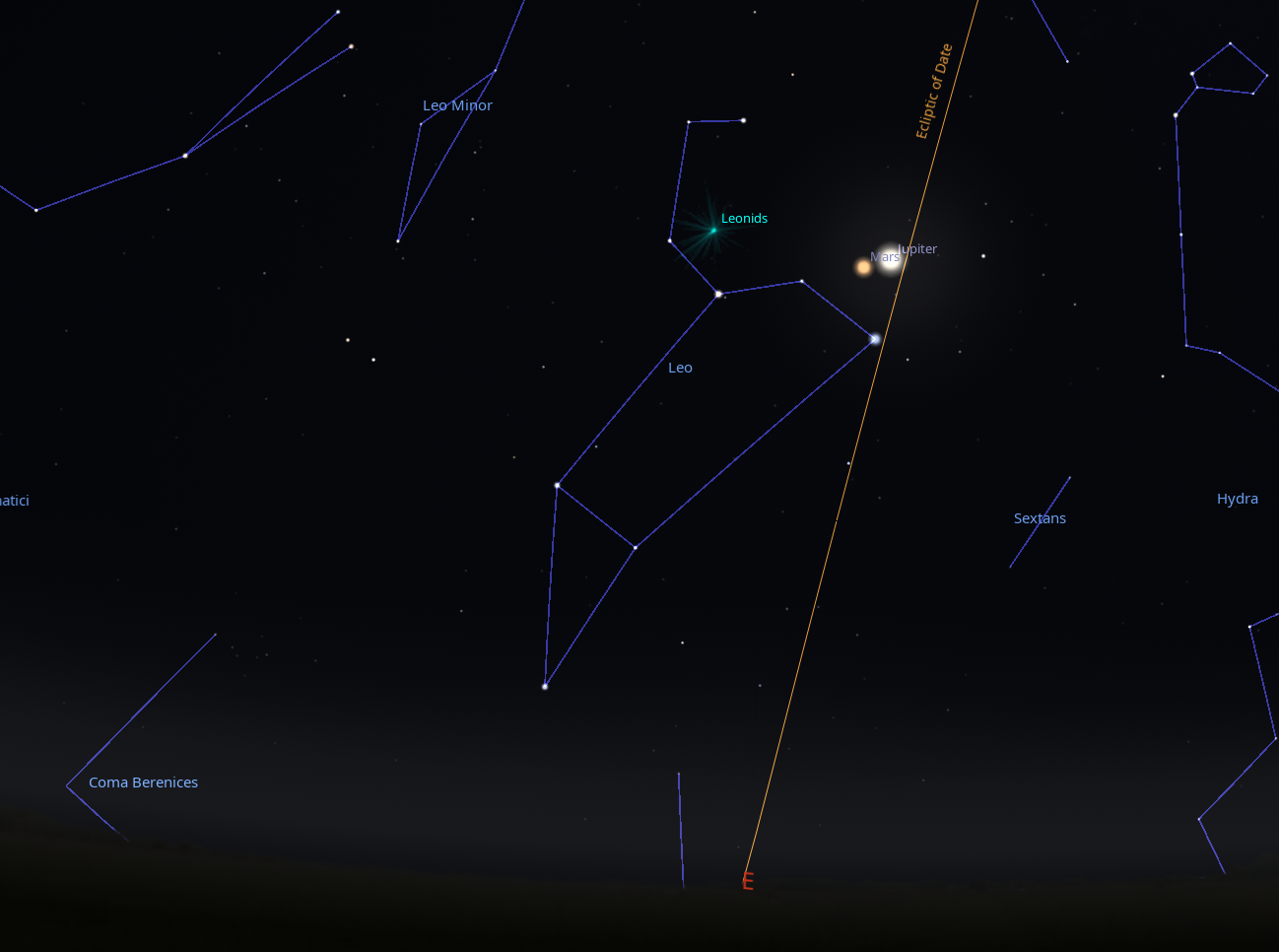
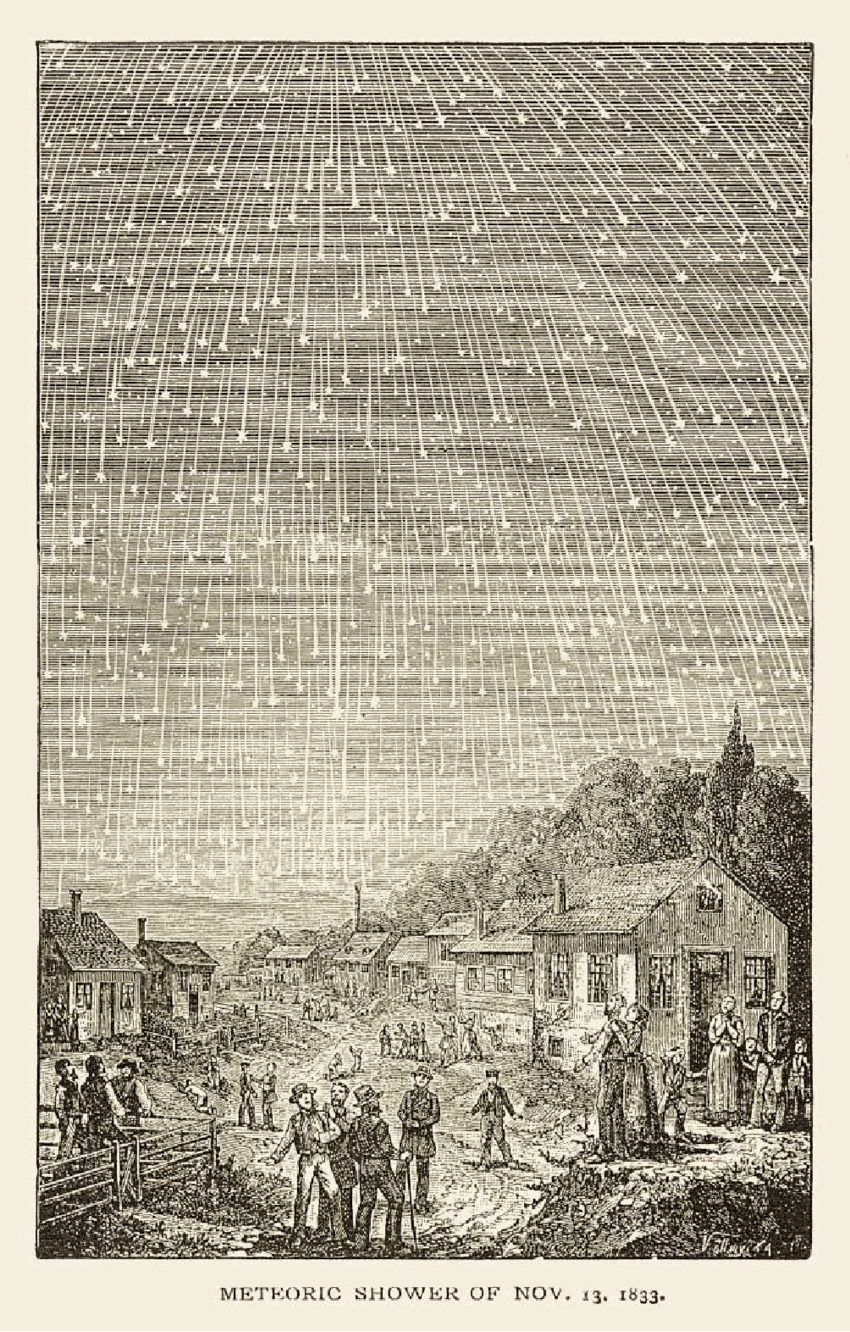
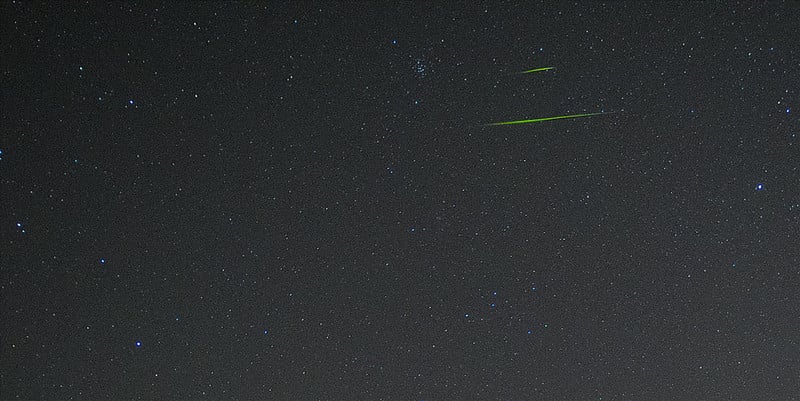
It’s always worth being vigilant when skywatching in mid- to late November. Every year, a few Leonid meteors punctuate the November sky morning sky around the 17th. These silent harbingers are only a hint at the shower’s true storm potential, which culminates once every three decades.
The Leonid meteor shower can put on a true spectacle, and while 2026 isn’t expected to be a ‘storm year,’ we could be due for some enhanced activity in the late 2020s going into the early 2030s.
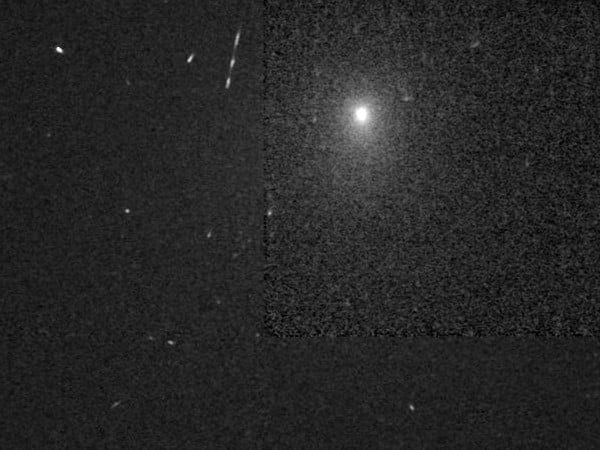
The source of the Leonid meteor shower is periodic comet 55P/Tempel-Tuttle. On a 33 year orbit, comet 55P reaches perihelion 0.975 Astronomical Units (AU) from the Sun just inside Earth’s orbit once again on May 20, 2031.
Hubble captures Comet 55P/Tempel-Tuttle. Credit: NASA/HST/STScI
In 2026 the Moon phase is favorable at 41% illuminated, reaching 1st quarter phase a day after the shower’s peak night on November 16-17th.…