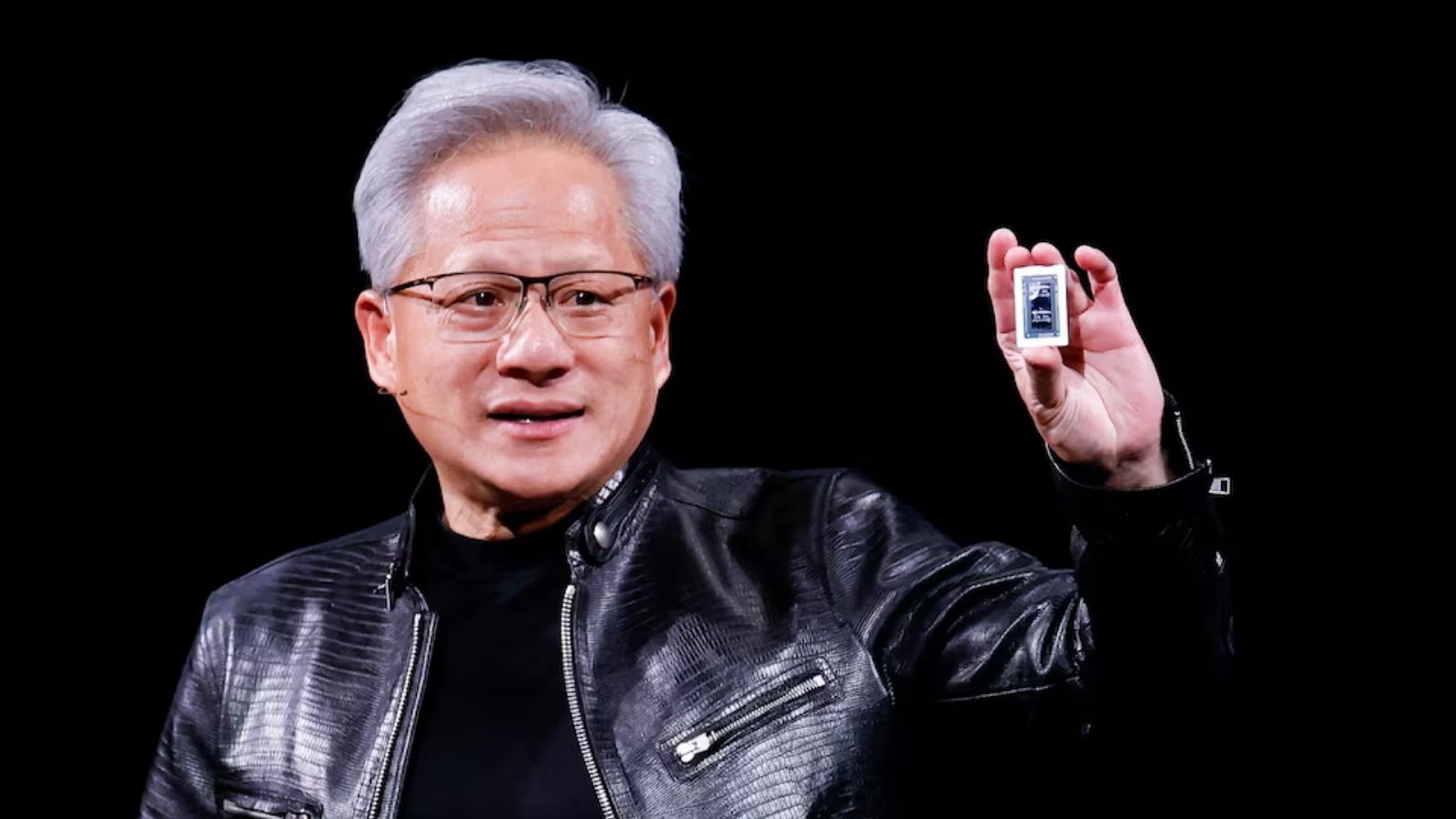
The Nvidia episode, in which the company’s chief executive is alleged to have been cultivated through a personal relationship by an individual US authorities assessed as a Chinese intelligence asset, does more than expose one firm to scrutiny. It reveals a structural feature of contemporary strategic competition that Indian corporate governance has yet to treat as ordinary. The method does not require dramatic intrusion. It proceeds through the dense, ordinary networks of commercial life — travel, partnerships, conferences, recruitment, and personal association — precisely because the knowledge that now matters most resides inside private organisations rather than state laboratories.
Indian boards have grown accustomed to registering geopolitical risk as a set of external constraints: Tariff changes, export controls, supply-chain concentration, or sudden regulatory shifts in major markets. These remain real, but they do not exhaust the problem.…