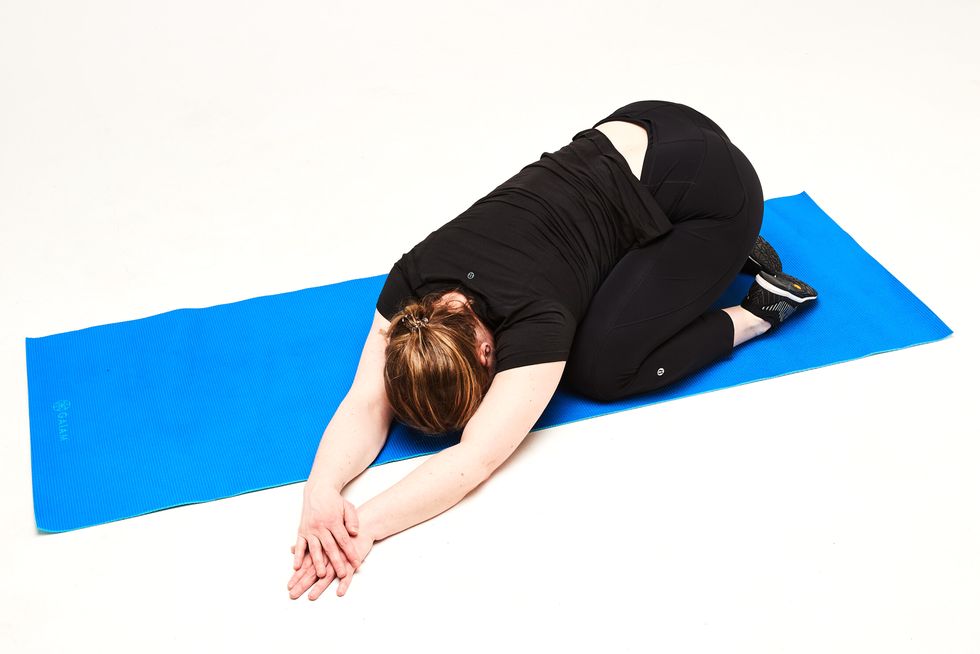
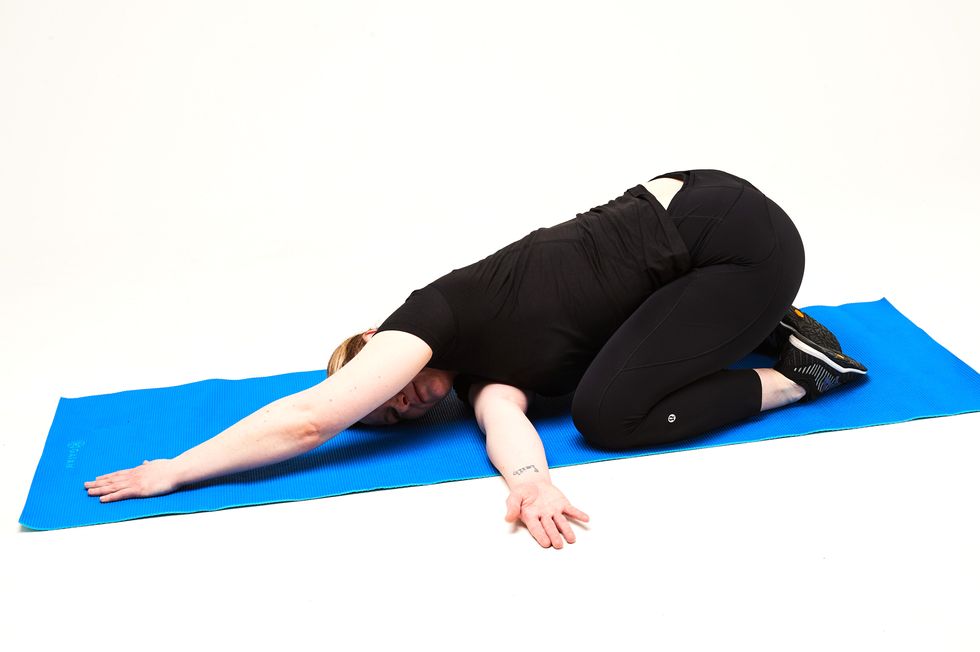
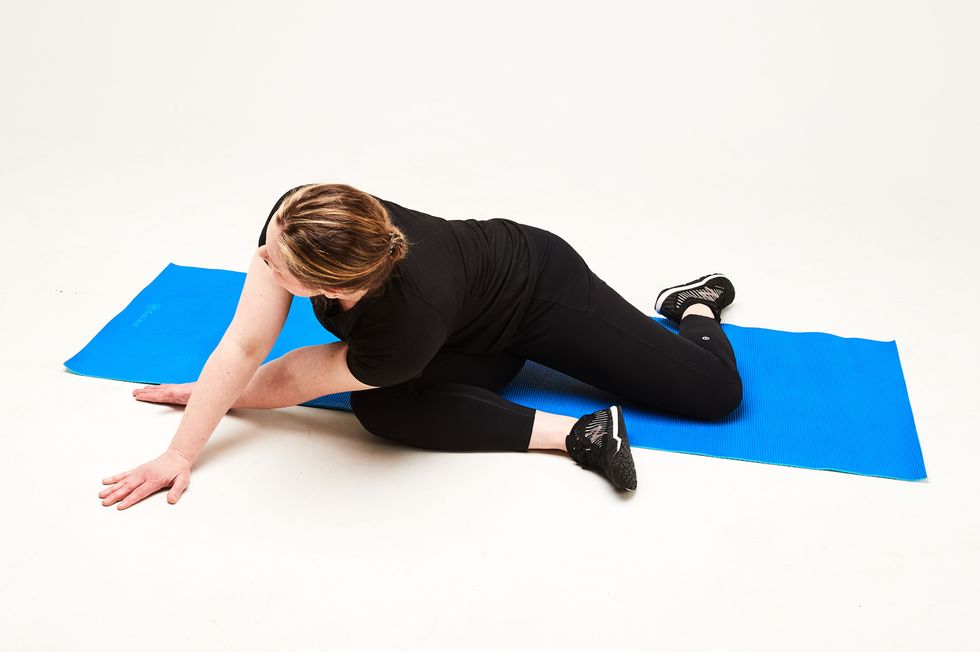
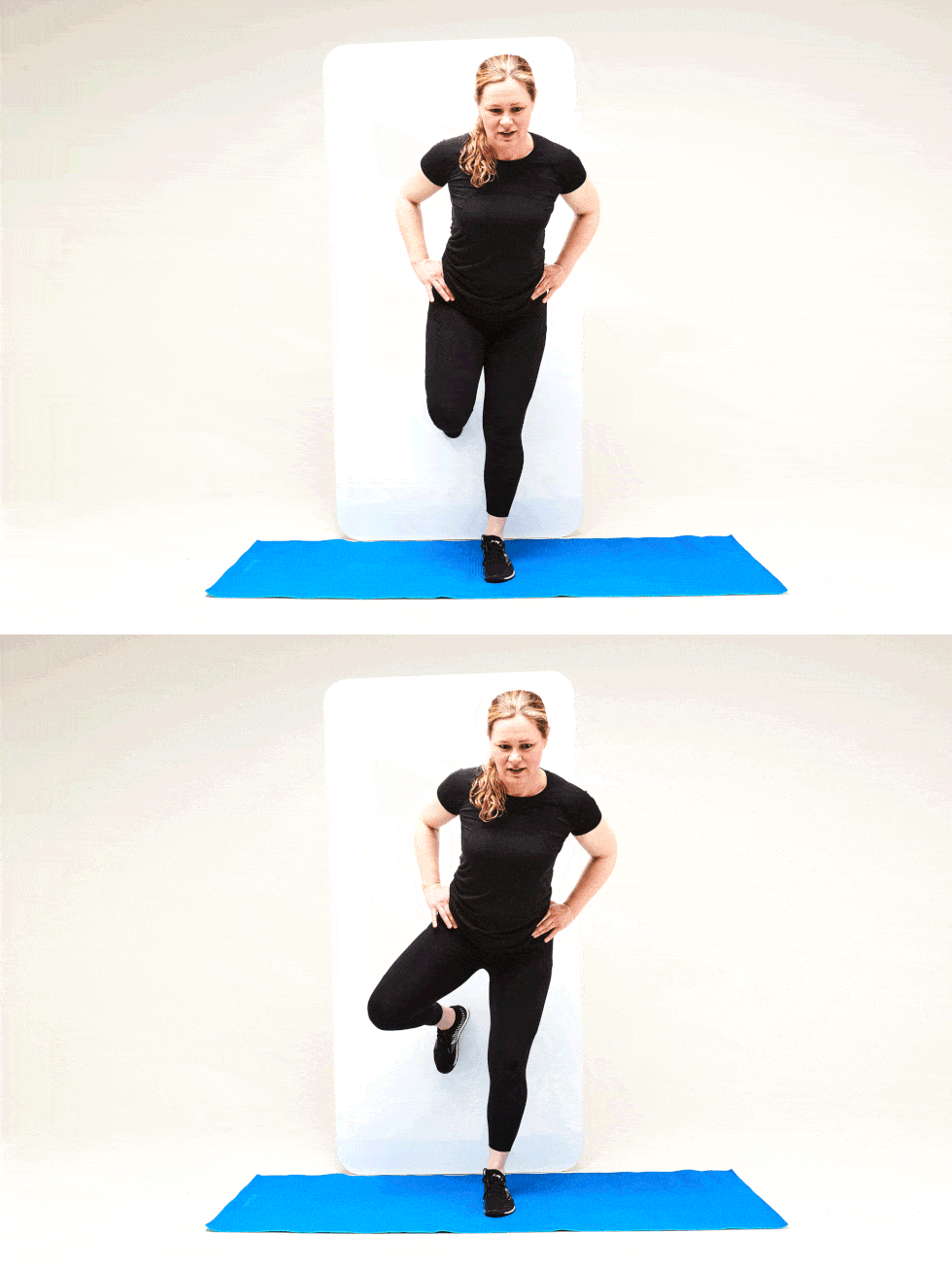
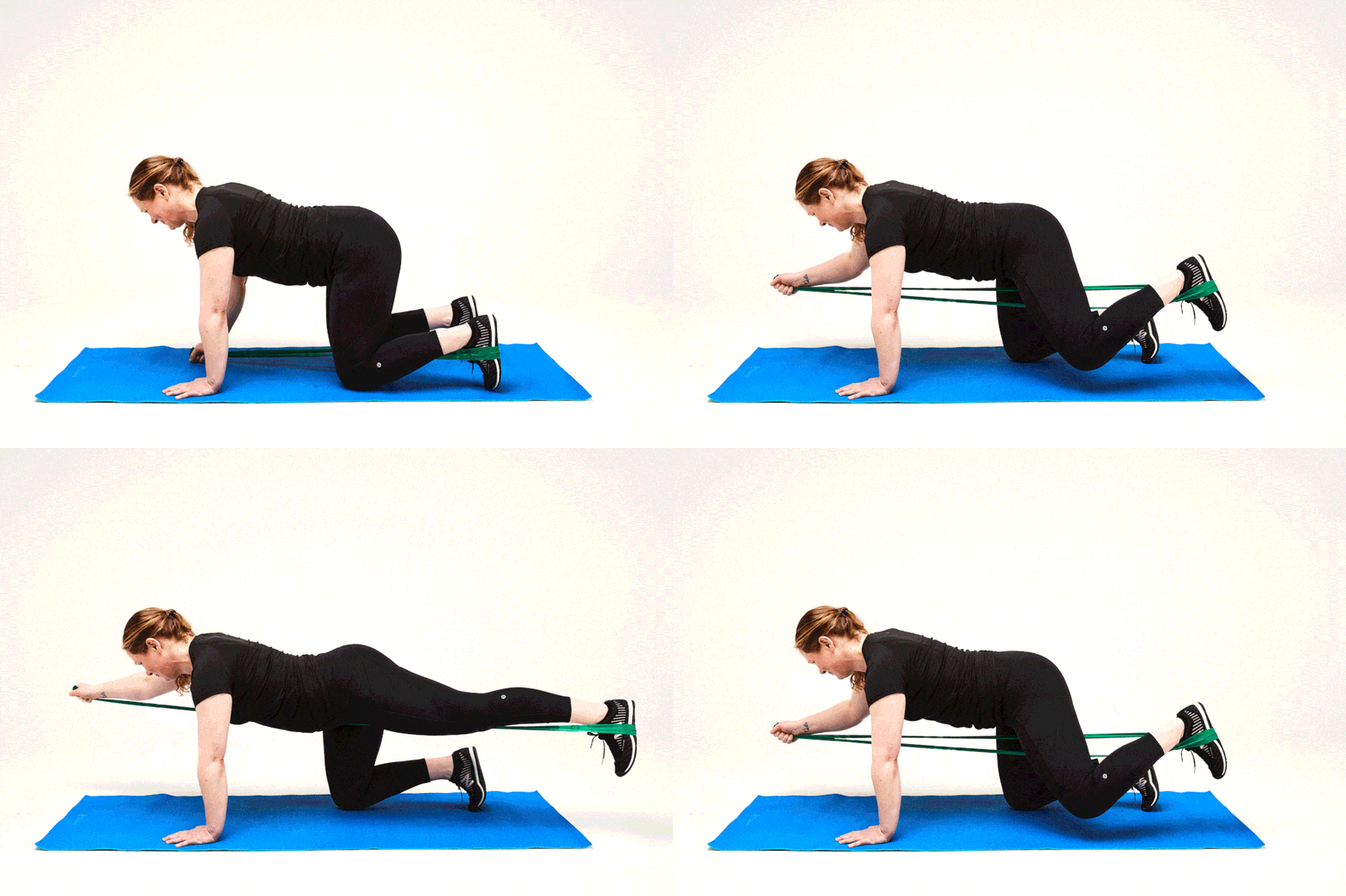
Most runners are familiar with the big muscles involved in running, such as the quads, hamstrings , and glutes. But there are lesser-known—yet still important—players that can influence running performance. One example: the quadratus lumborum, or QL for short.
A deep trunk muscle, the QL attaches to the lower spine and the back side of the pelvis, Nicole Haas, PT, DPT , a physical therapist and founder of Boulder Physiolab in Colorado, tells Runner’s World. It serves a few different functions in daily life, such as helping you arch your back, bend to the side, and rotate your upper body, Haas explains.
When you run, the QL plays more of a stabilizing role, working to control your pelvis and trunk while you stride, says Spencer Agnew , PT, DPT, a physical therapist at Sword Health and run coach with Wisconsin-based Ascent Endurance Group.…