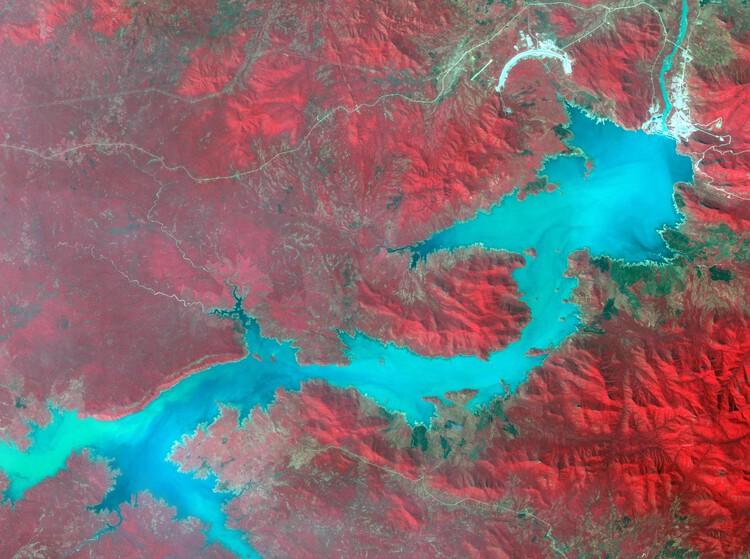
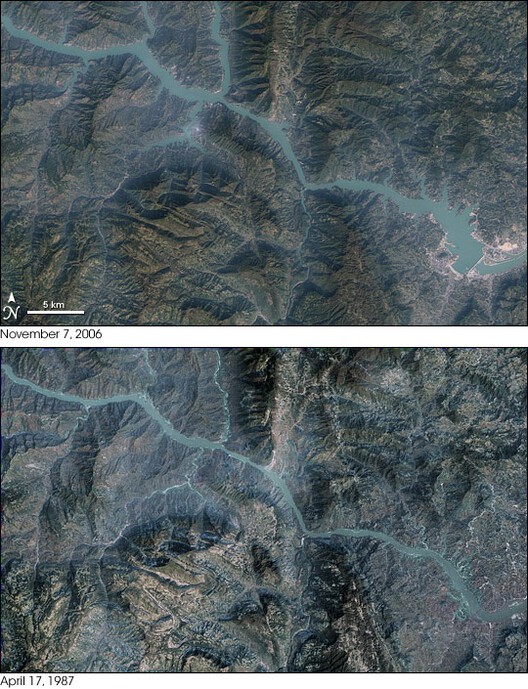
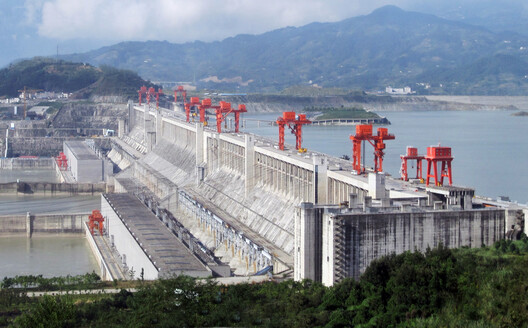
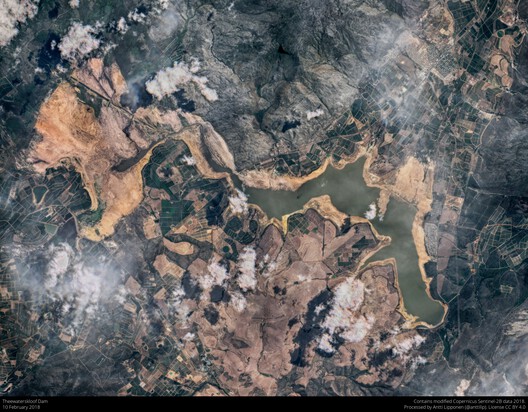
NASA/METI/AIST/Japan Space Systems, and U.S./Japan ASTER Science Team. Image via Wikipedia under Public Domain
Published on October 28, 2026
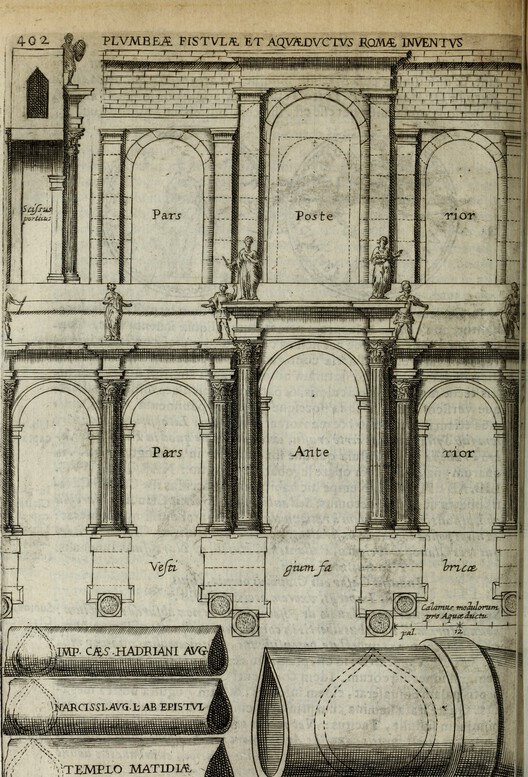
When the Ostrogoths besieged Rome in 537 AD, their first military act was to cut the aqueducts. Eleven gravity-fed channels supplied the city with up to a million cubic meters of water per day, more than enough to sustain a population of over a million, fill the public baths, and scour the sewers. Without the aqueducts, Rome became a fortified enclosure around a contaminated river, proving that water was essential to the city's existence.
Unlike land, which can be fenced off, or oil, which can be stored, water is a resource that nobody can fully own, yet everyone depends on. It moves through aquifers, across borders, and down rivers. The Romans were cognizant of this fact; as the aqueducts constituted public infrastructure, the water flowing into fountains was accessible to all.…