Get RNS’ thoughtful, essential religion reporting every morning. Sign up for free!
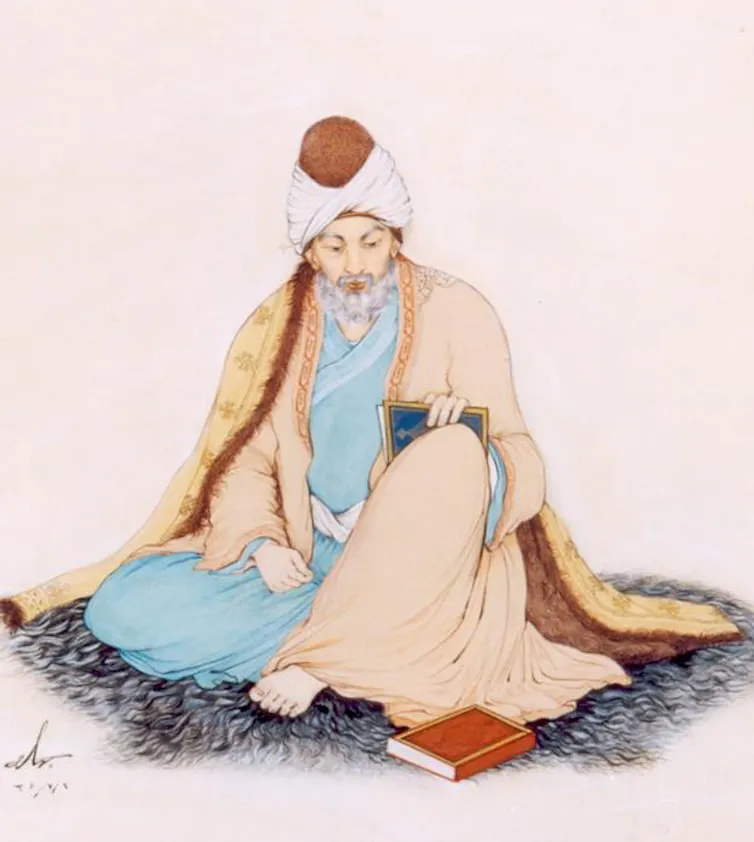
(The Conversation) — Every December, thousands of visitors gather in Konya, Turkey, to mark the death of the 13th-century poet Jalal al-Din Rumi. His followers call the night “Shab-e ‘Arūs,” the wedding night, and it is the moment they believe he was united with God.
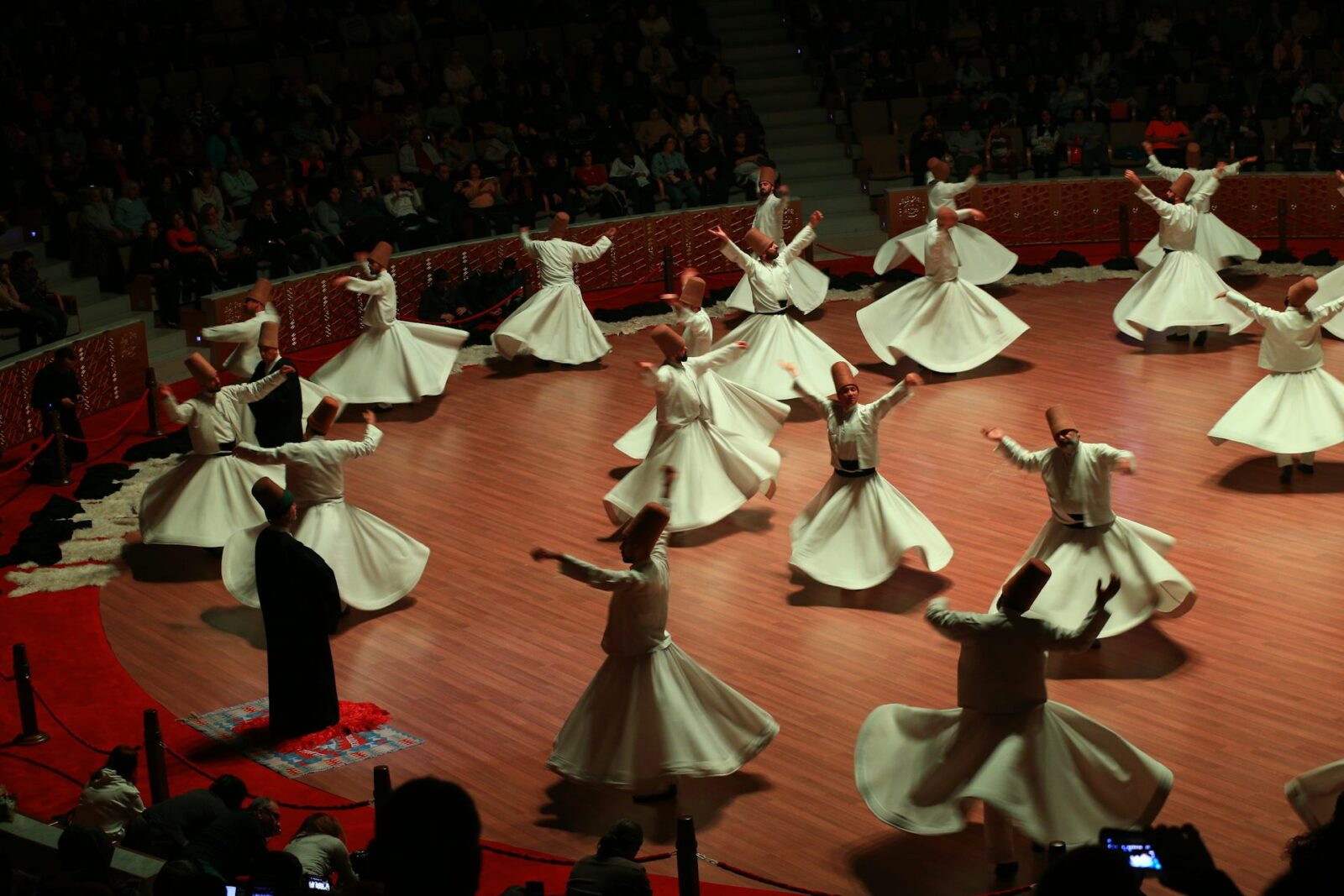
Following Rumi’s death in 1273, his disciples formed the Mevlevi order, a Sufi brotherhood whose members are known in the West as the “whirling dervishes.” A dervish, from a Persian word for a poor person, is a member of a Sufi order who has committed to a life of spiritual discipline under a teacher. The Mevlevi order spread, and its lodges became centers of music and poetry. Mevlevi musicians helped shape Ottoman classical music, and the whirling dervish remains one of Turkey’s most recognizable cultural symbols today.
On the anniversary of Rumi’s death, white-robed dervishes perform a ceremony known as Sema.…