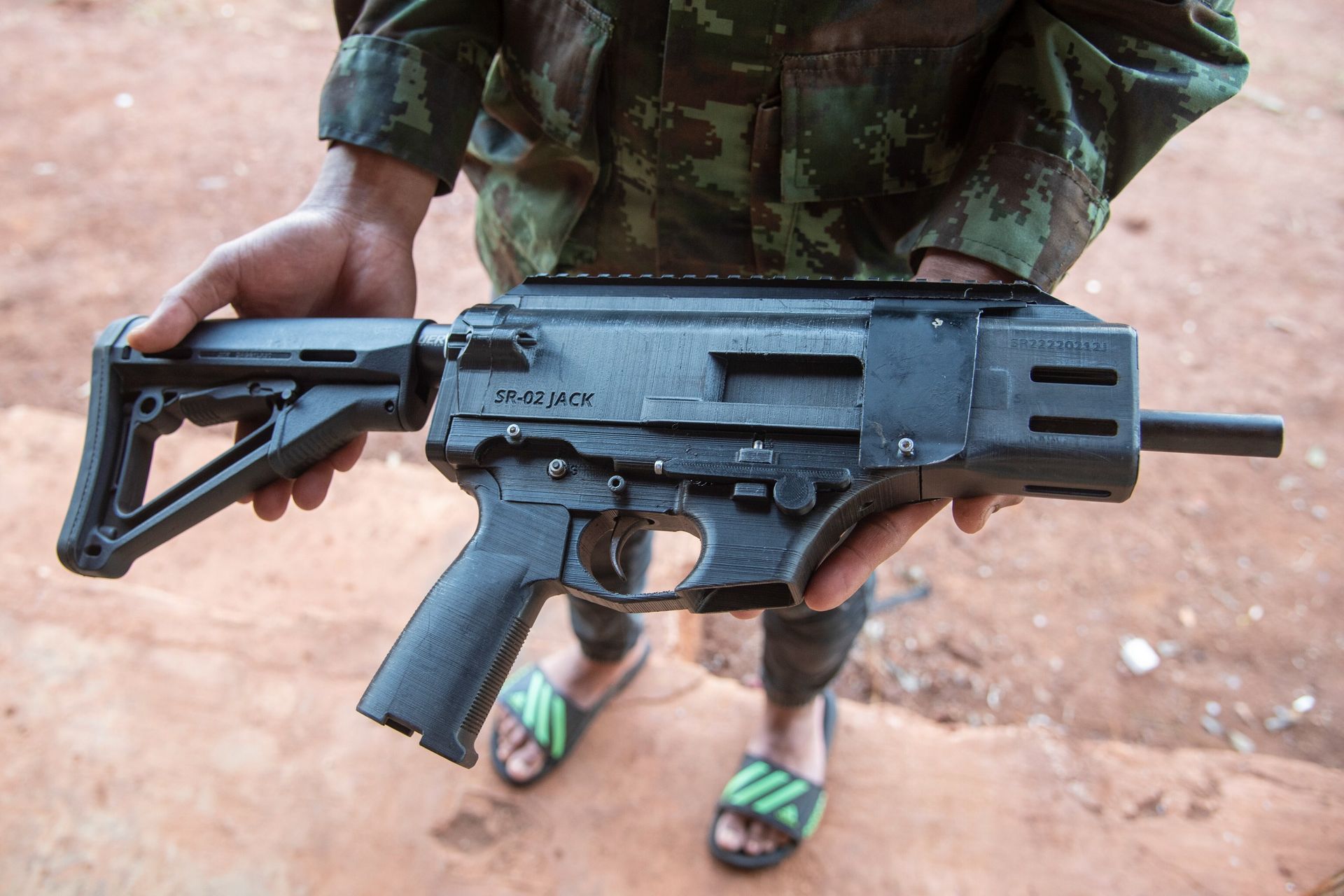
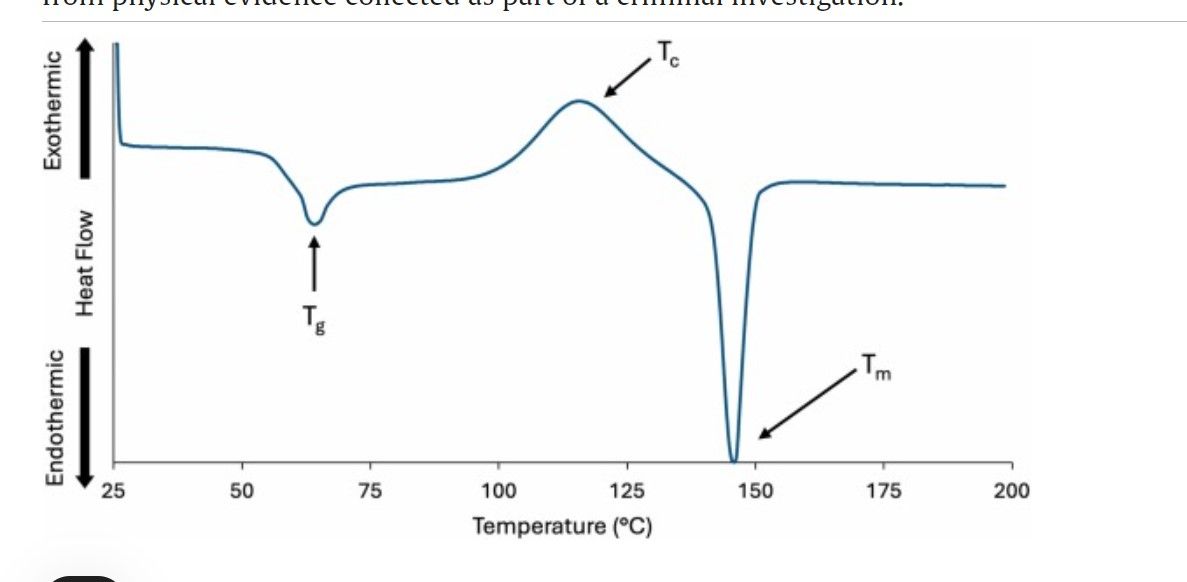
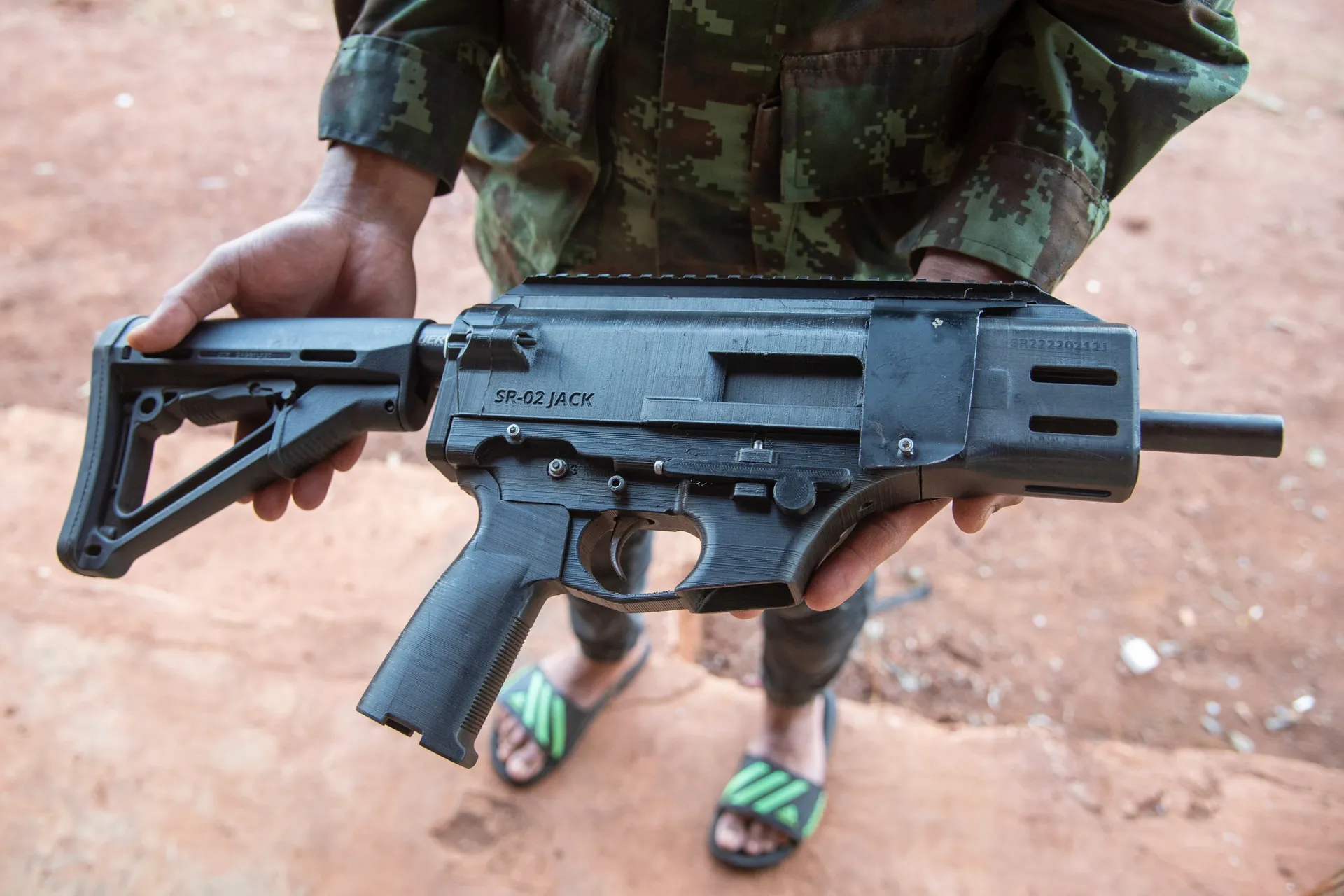
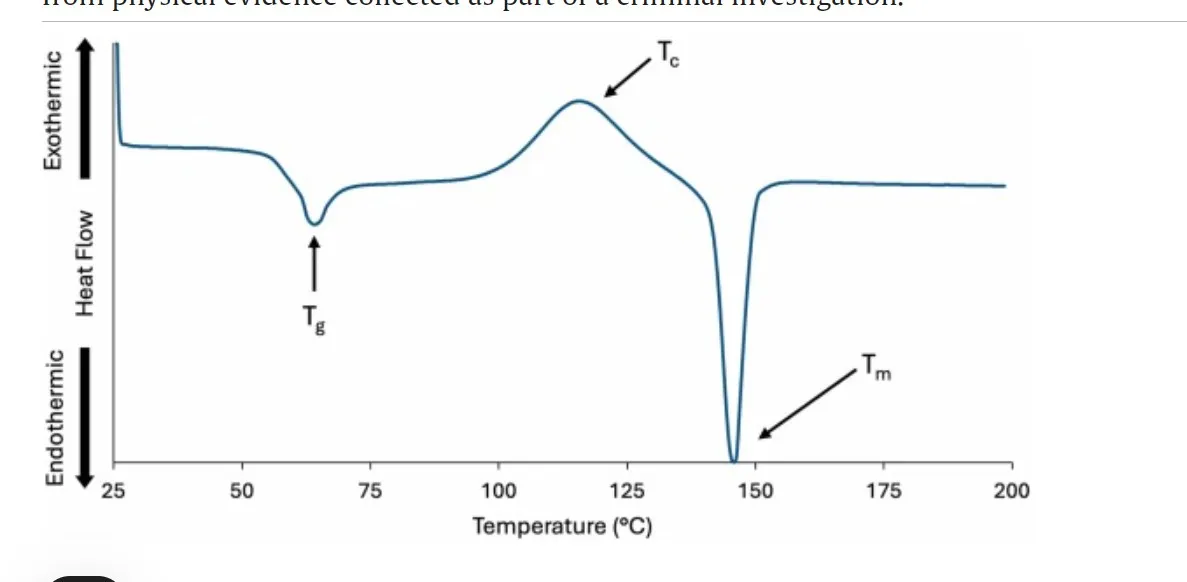
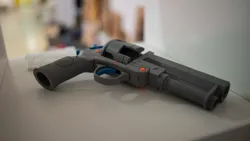
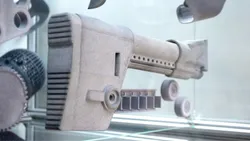
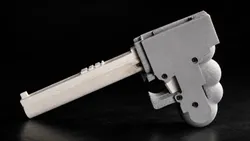
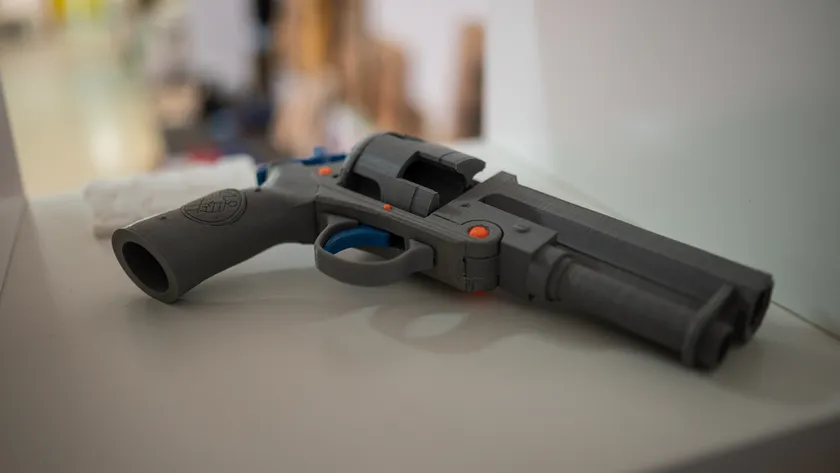
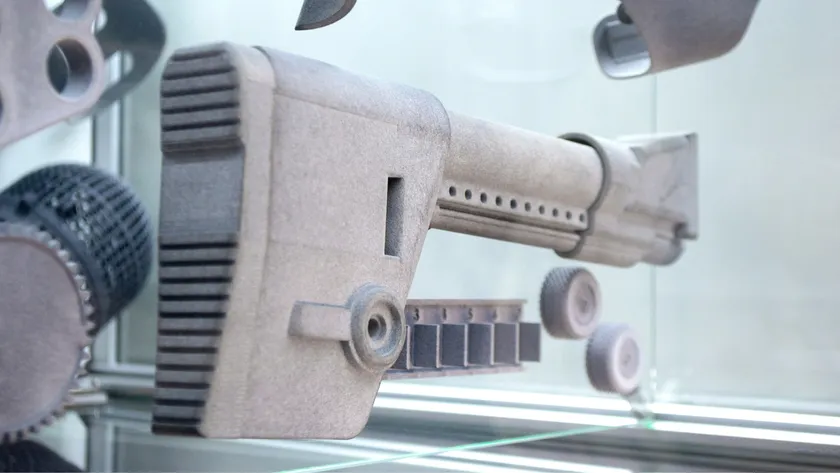
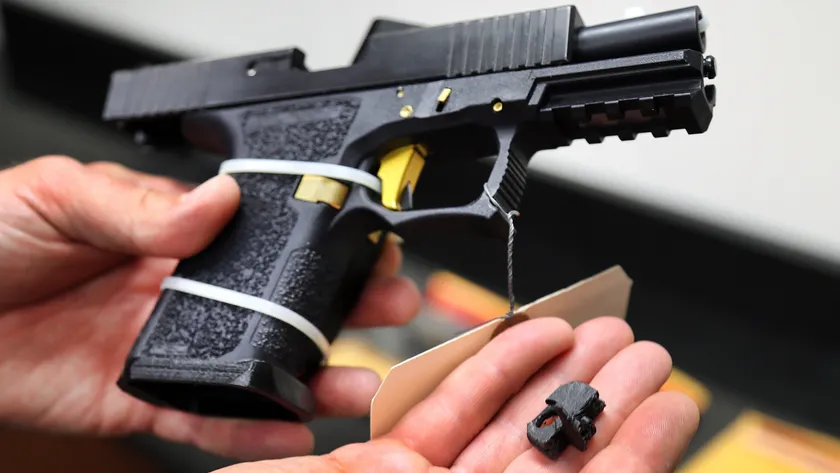
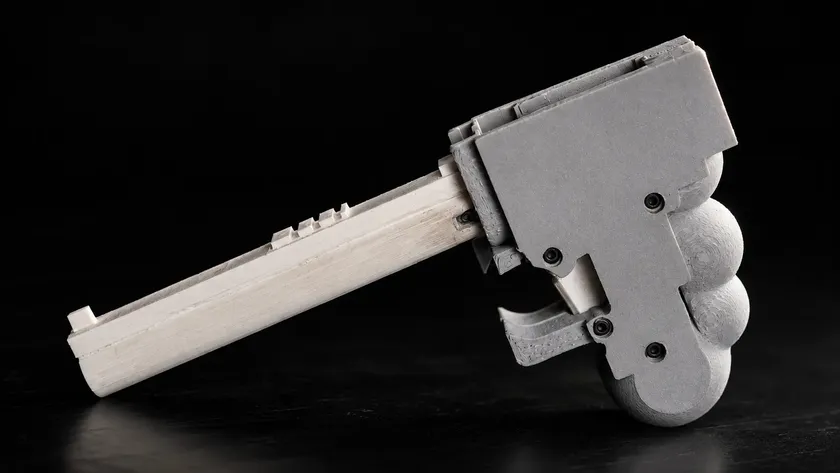
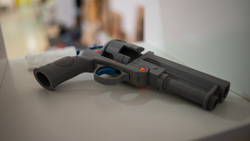
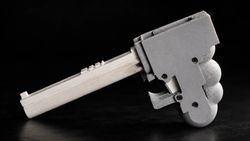
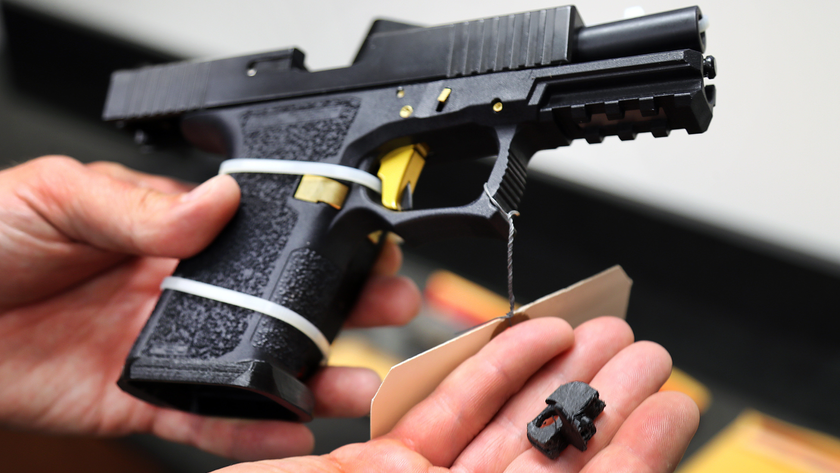
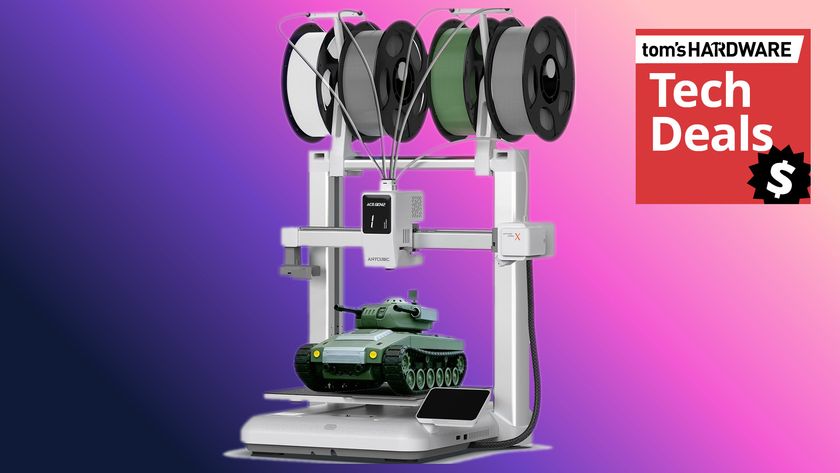
A study published on October 22 in the journal Forensic Science International reports that researchers from Curtin University in Perth, Australia, have developed a forensic method to analyze 3D-printed PLA parts and match them to their respective filament, correctly matching 26 out of 28 samples of PLA. This potentially provides a way to link seized 3D-printed “ghost-guns” with other seized filament, allowing police to form a clearer network for the manufacturing and distribution of the 3D-printed firearms.
3D-printed firearms have become a big problem worldwide, as they are untraceable and even compostable in the case of PLA, with tools like this AI 3D-printed gun generator making it scarily accessible.…