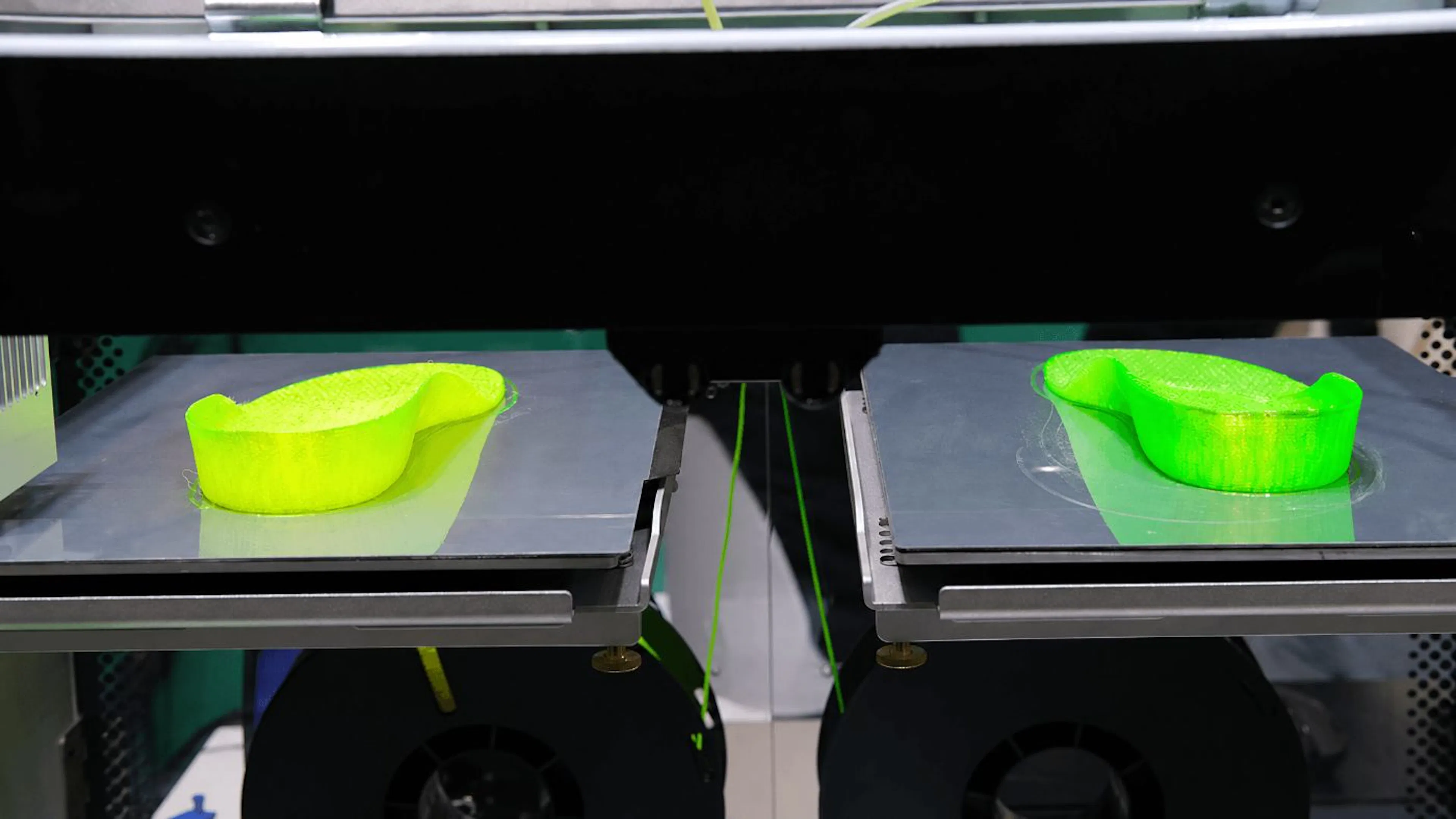
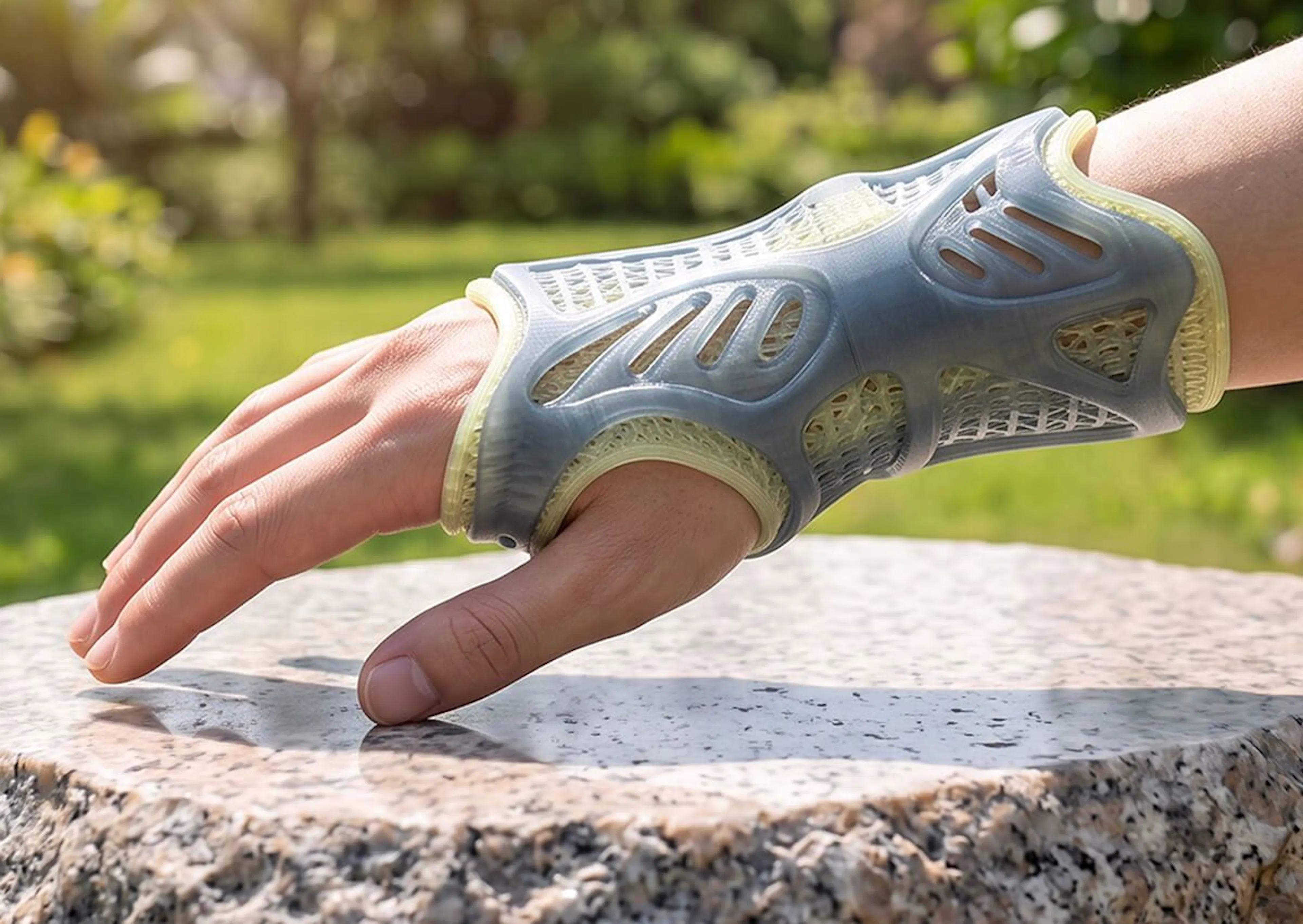
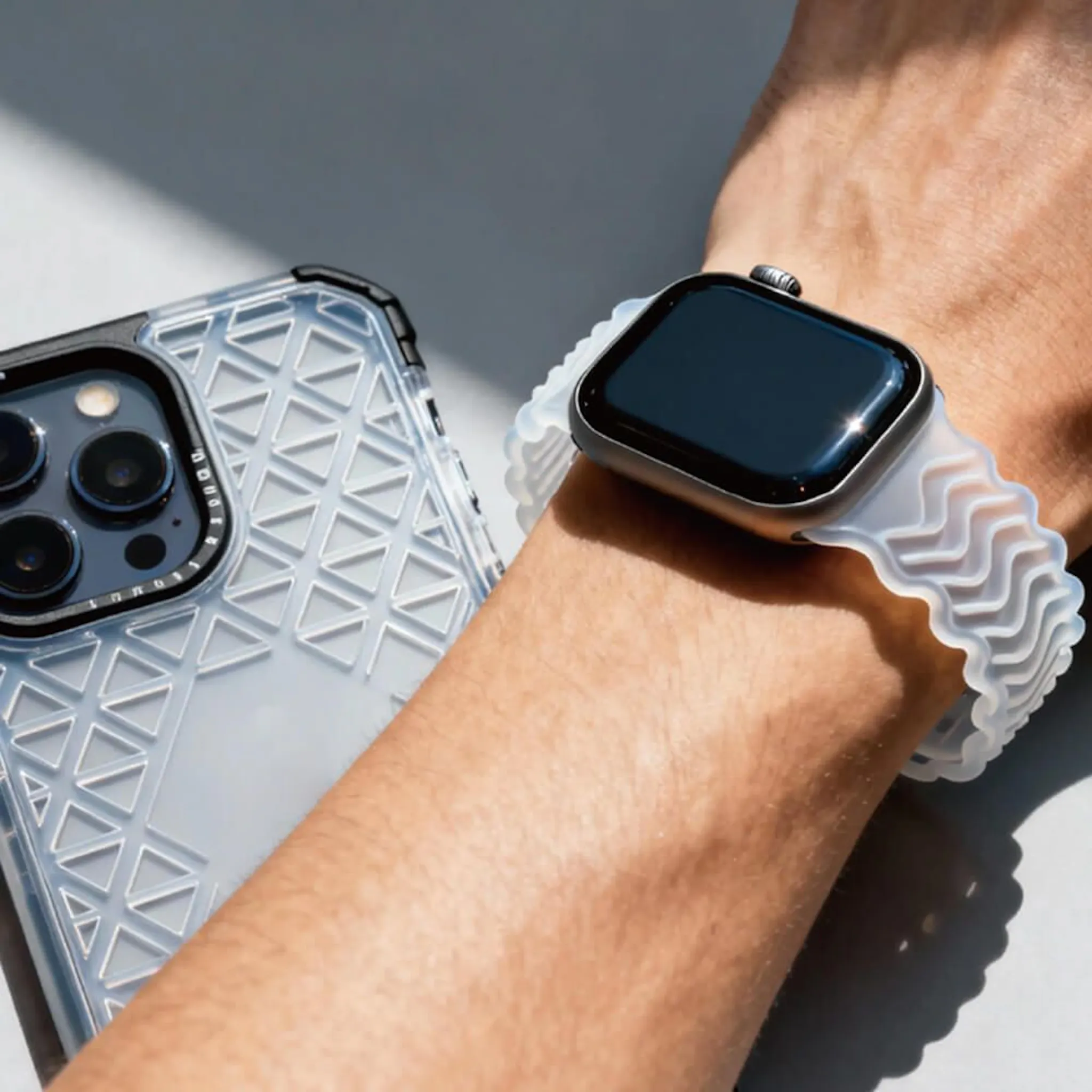
Flexible filaments make it possible to 3D print parts that bend, stretch, compress, and recover their shape. They are commonly used for phone cases, shoe components, protective covers, grips, seals, and cushioning structures.
But printing with flexible filament is not always as straightforward as printing with PLA. A spool may feed normally at first, only for the filament to buckle in the extruder, string between printed features, or produce uneven layers. These problems are often related to how flexible materials respond to pressure, heat, and moisture.
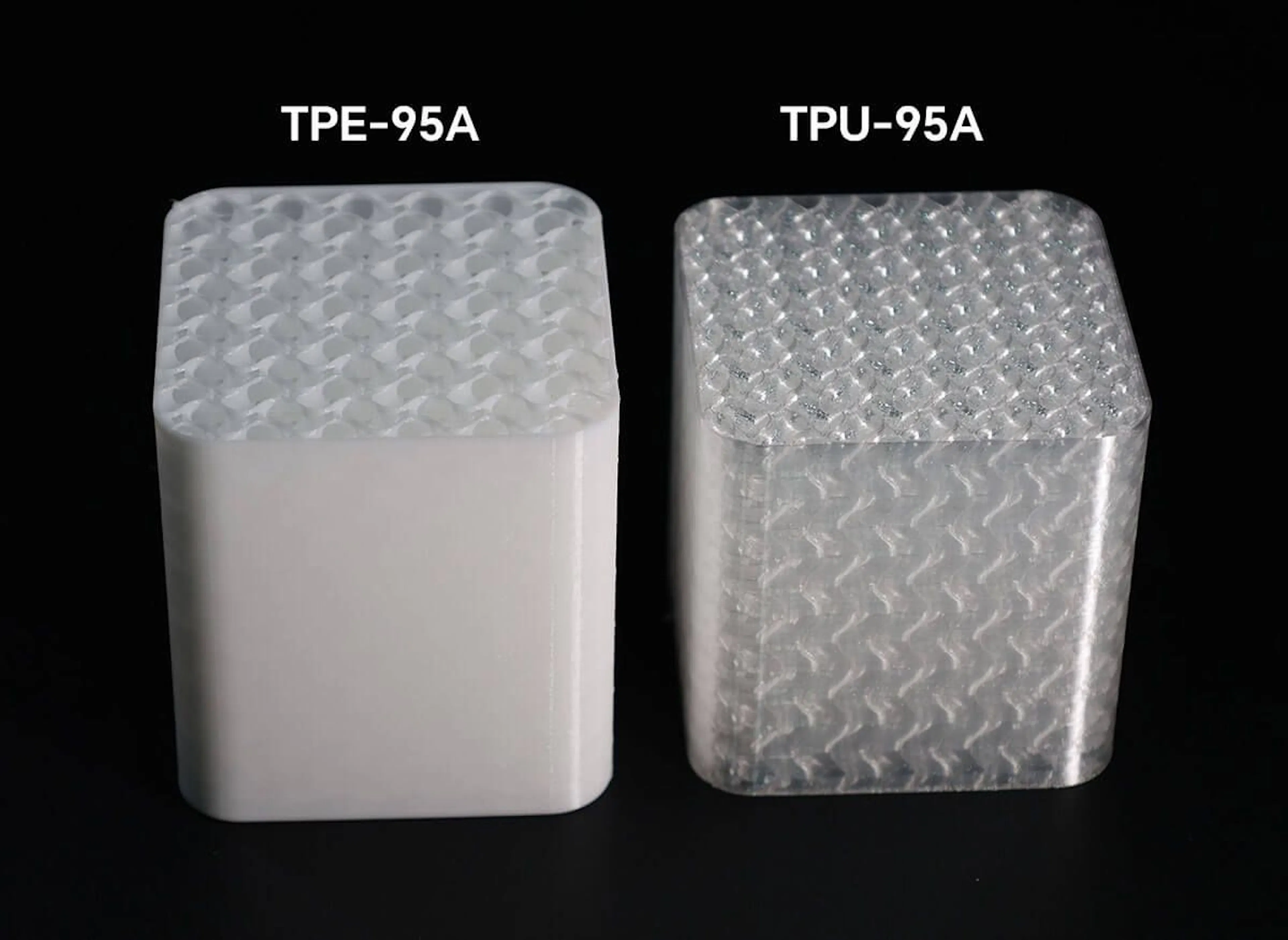
TPU and TPE are two common terms used when choosing flexible filament. Although they are often compared as separate materials, TPU is actually one type of thermoplastic elastomer.…