Skip to content
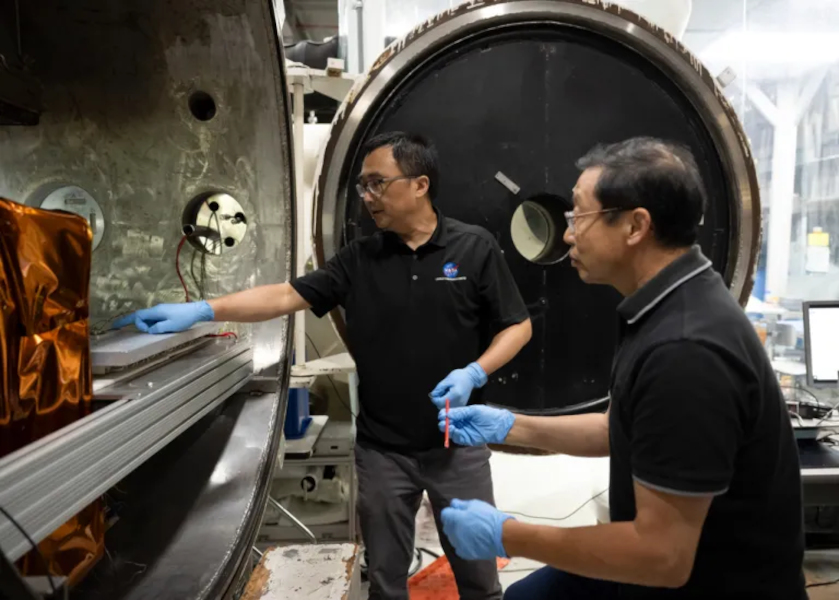
One of the major limits of mass-produced batteries is the electrolyte. From lead-acid to lithium ion, there’s some temperature where the electrolyte will freeze and cause all sorts of problems, from cracked casings to various non-favorable chemical changes in the battery itself. But if there’ a solid electrolyte available, many of the downsides of charging and discharging batteries in extreme cold disappear. These batteries developed by NASA, for example, can survive some wild temperature swings .
The electrolytes used for these batteries are either a ceramic or polymer electrolyte, both of which are solid. In testing, the batteries could meaningfully operate at temperatures of -60° C and up to 80 ° C on the high end. Further, the solid electrolyte helps protect them even outside of these temperature ranges.…