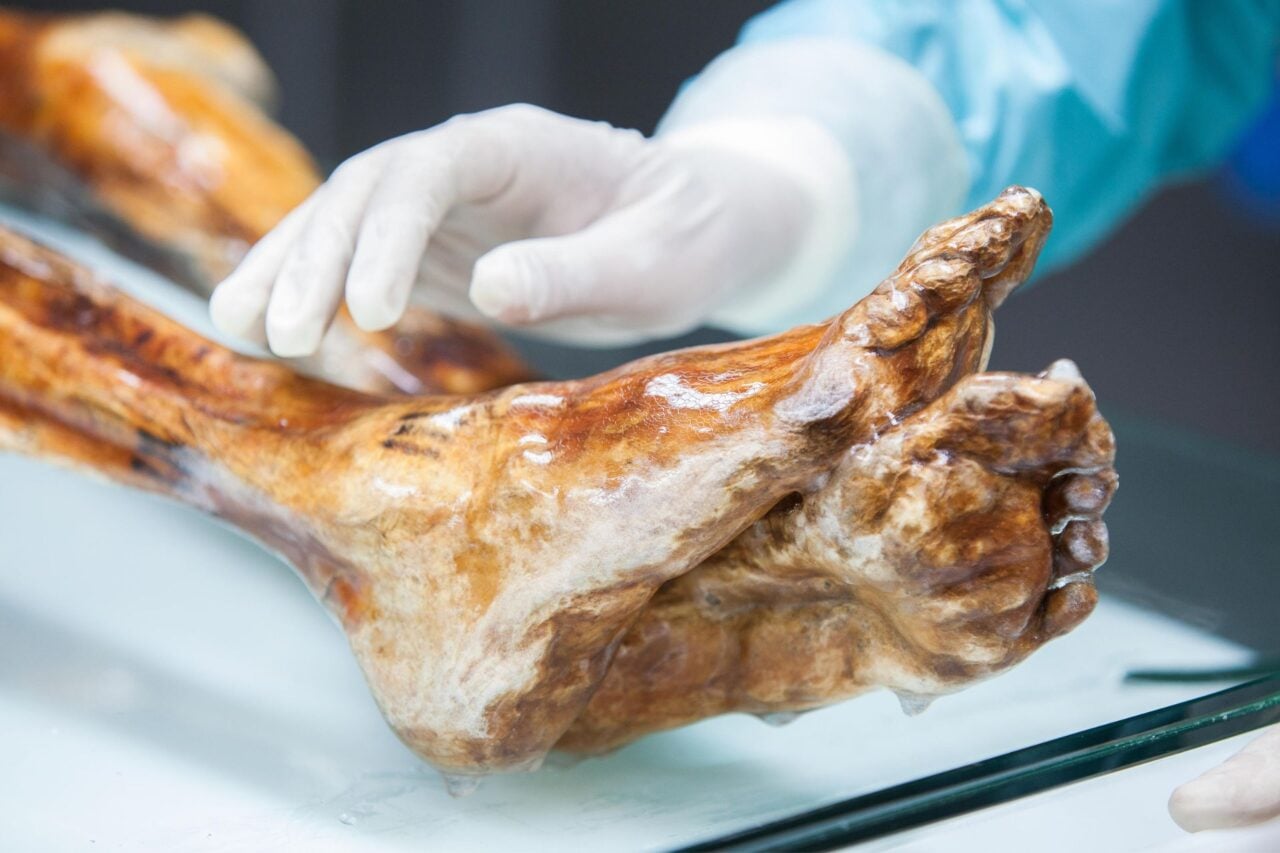
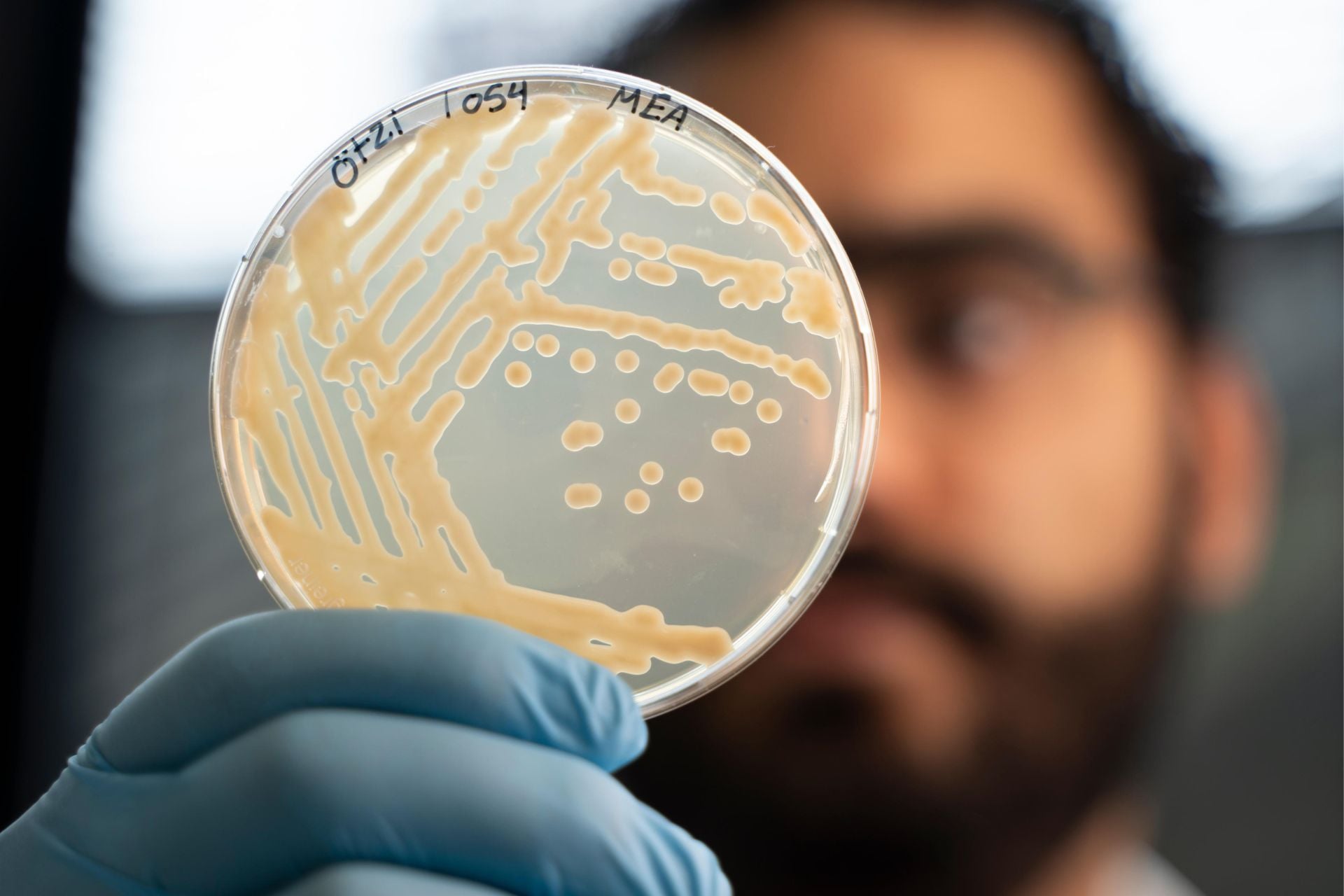
A relic of humanity’s past isn’t so dormant after all. Research out today shows the remains of Ötzi “the Iceman” are teeming with living microorganisms. Scientists in Italy conducted an extensive survey of Ötzi, a mummy naturally frozen in a mountain glacier for over 5,000 years. They found ample bacteria and fungi inside and on Ötzi’s body, some of which might have survived for millennia and appear to be active even today under tightly maintained storage conditions. The findings not only illustrate the resilience of microbial life but also suggest we need to be more careful about how these sorts of specimens are preserved once discovered. “Our comprehensive assessment reveals that the Iceman is not a biologically ‘frozen’ time-capsule but rather a complex ecosystem,” the authors wrote in their paper, published Tuesday in the journal Microbiome. Ötzi the ecosystem In 1991, Ötzi was discovered in the Ötztal Alps that straddle the current borders between Italy and Austria.…