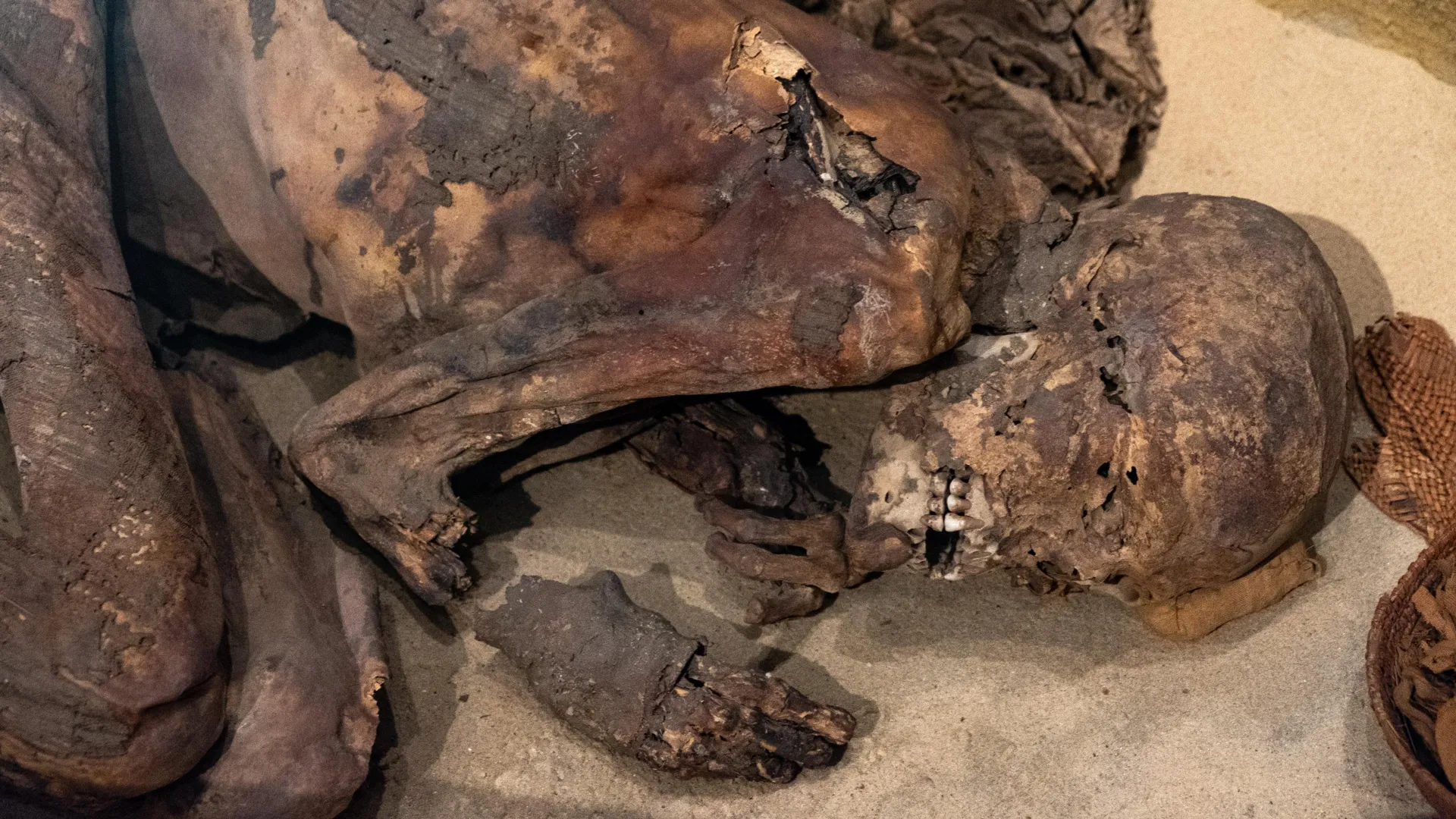
New forensic evidence suggests that some of ancient Egypt's earliest rulers had members of their royal households killed when they died, possibly so those individuals could continue serving them in the afterlife. The discovery sheds new light on a disturbing burial practice that archaeologists suspected more than a century ago but could not prove.
The evidence comes from ancient skulls recovered near royal tombs at Abydos, Egypt, where members of the First Dynasty were buried roughly 5,000 years ago. When archaeologist Flinders Petrie excavated the graves in the 1920s, he noticed that unusually large numbers of people had been buried around the kings. He suspected that these individuals had been sacrificed following their rulers' deaths, but he could not identify physical evidence of fatal injuries.
Now, a modern forensic examination has uncovered signs of potentially deadly head trauma in 18 of 46 skulls, representing approximately 39% of the individuals studied.…