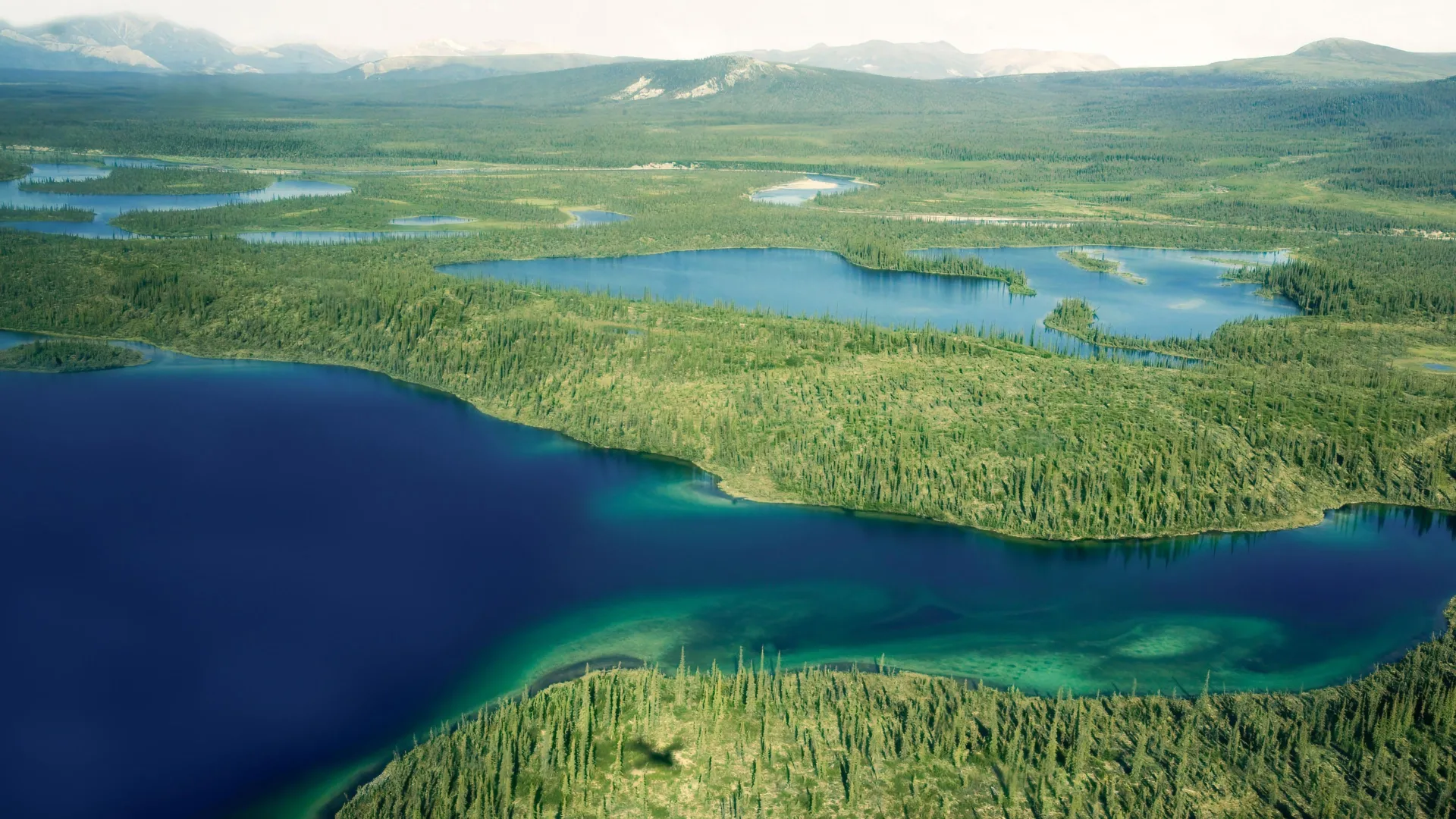
In their natural condition, peatlands rank among the planet's most important carbon reservoirs. The soil is saturated with water and contains very little oxygen, which slows the breakdown of dead plants. Instead of fully decomposing, plant material builds up layer upon layer over thousands of years, forming deep deposits of peat that lock away carbon for the long term. That balance changes when peatlands are drained for farming. Lowering the water table allows oxygen to enter the soil, speeding up microbial activity. As microbes break down the previously preserved plant matter, carbon that has been stored for centuries is released into the atmosphere as carbon dioxide (CO 2 ). Northern Peatlands Remain Understudied Large areas of peatland across Europe and the Nordic region have been drained since the 1600s. Scientists have closely examined how drainage and shifting water levels affect greenhouse gas emissions in many of these regions. Far less is known about the northernmost peatlands used for agriculture.…