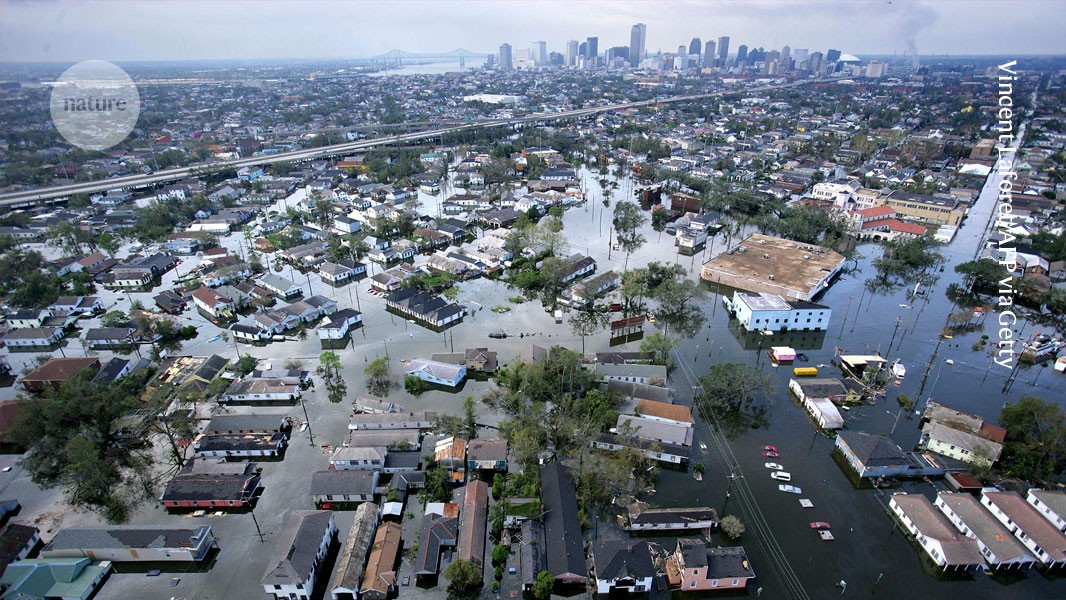
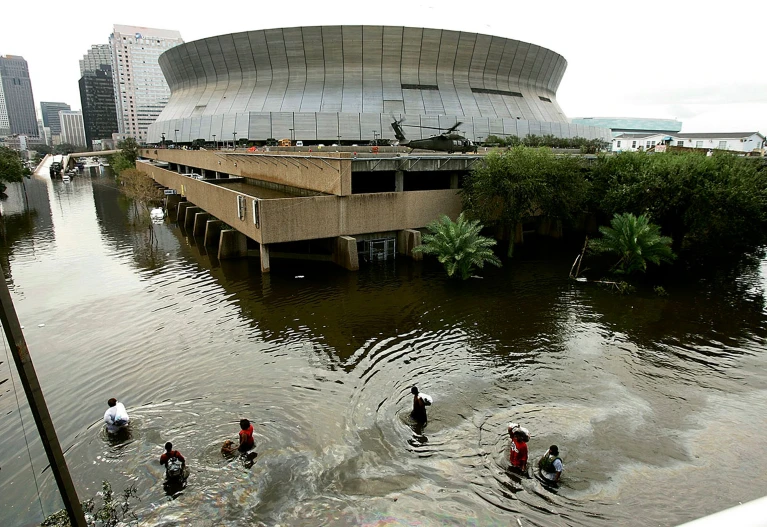
On 29 August 2005, Hurricane Katrina made landfall in southeast Louisiana as a Category 3 storm, with sustained winds of 205 kilometres per hour and a storm surge reaching between 4.6 and 5.8 metres in eastern New Orleans. The storm remains one of the deadliest ever to hit the United States, with millions of people displaced and more than 1,800 killed in the hurricane and ensuing floods. By 31 August, around 80% of New Orleans — the most affected city — was underwater.
Katrina had a profound impact city-wide, causing $17 billion in damages in Orleans Parish — the local county — alone. The burden of damage and the recovery efforts that followed fell unevenly. Environmental-justice scholars, such as Robert Bullard at Texas Southern University in Houston, argue that disasters are not great levellers, but follow lines of inequity that are already written into a city.
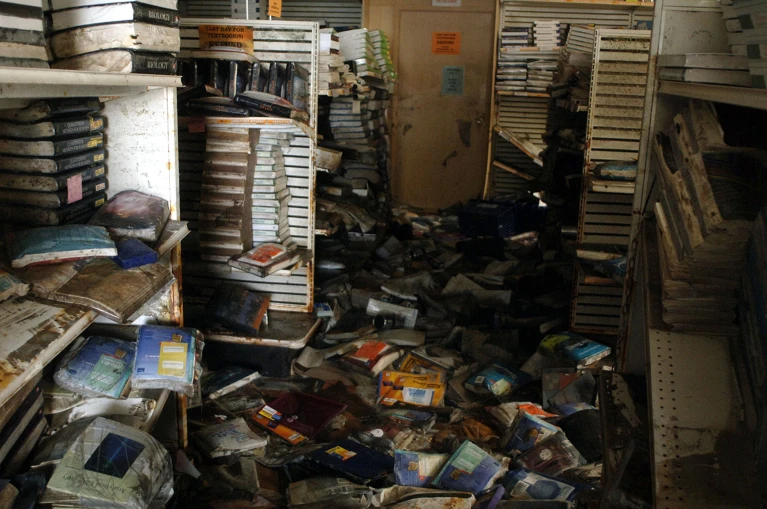
The academic sector suffered with the city. All ten of the main colleges and universities in the metropolitan area were affected.…