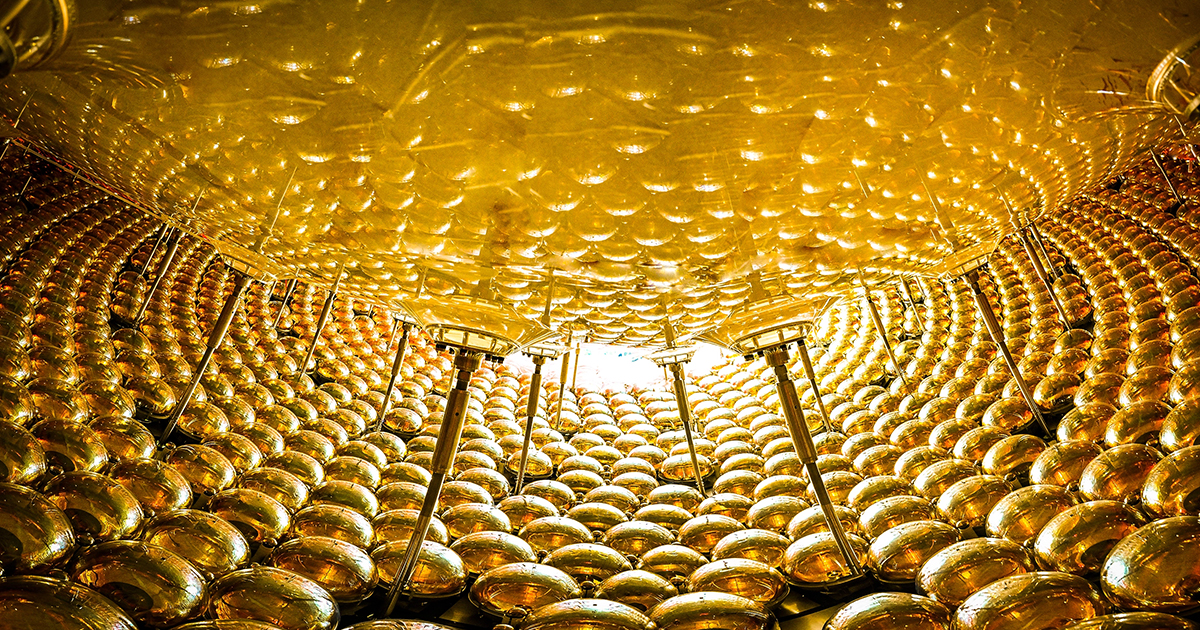
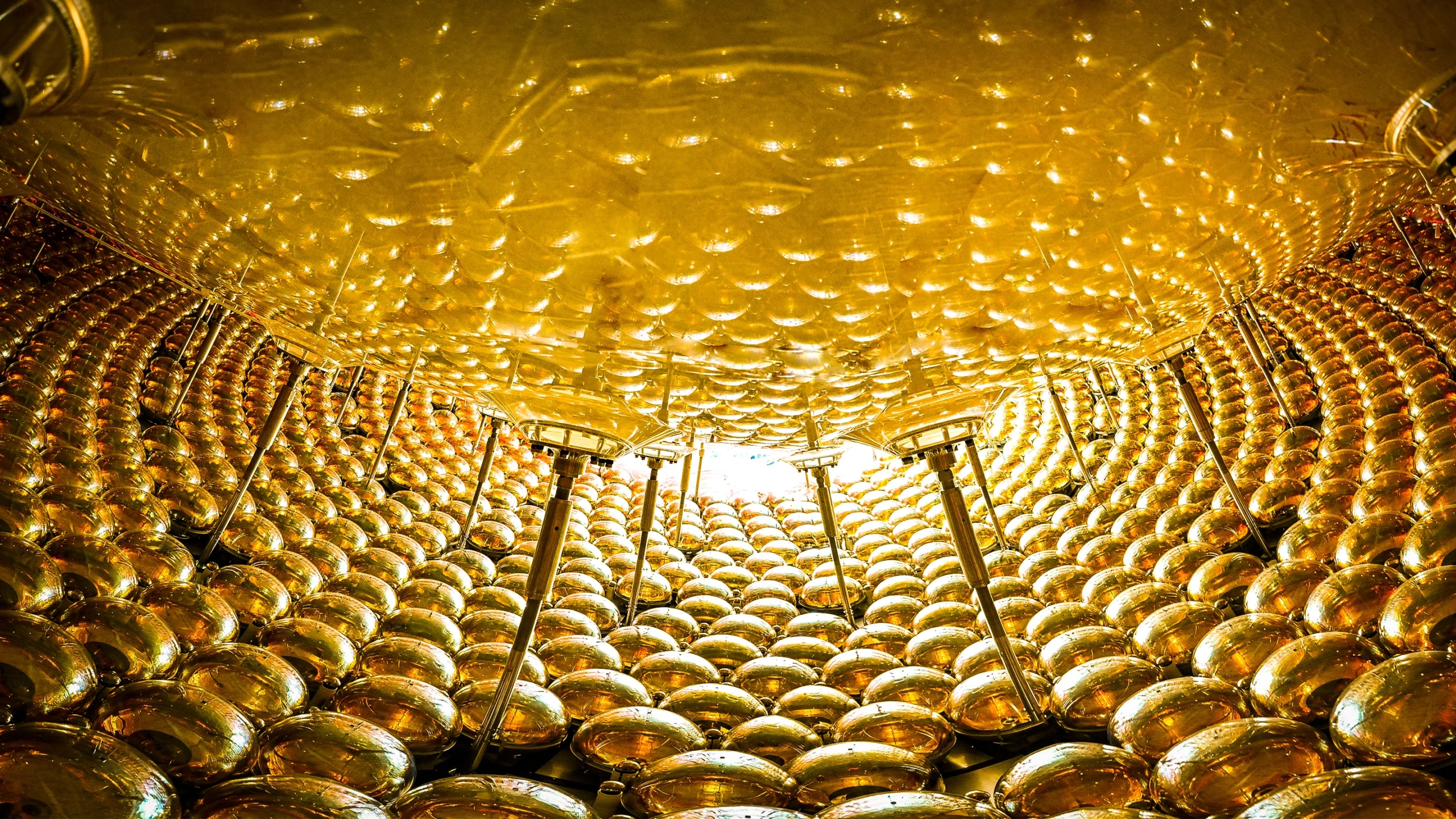
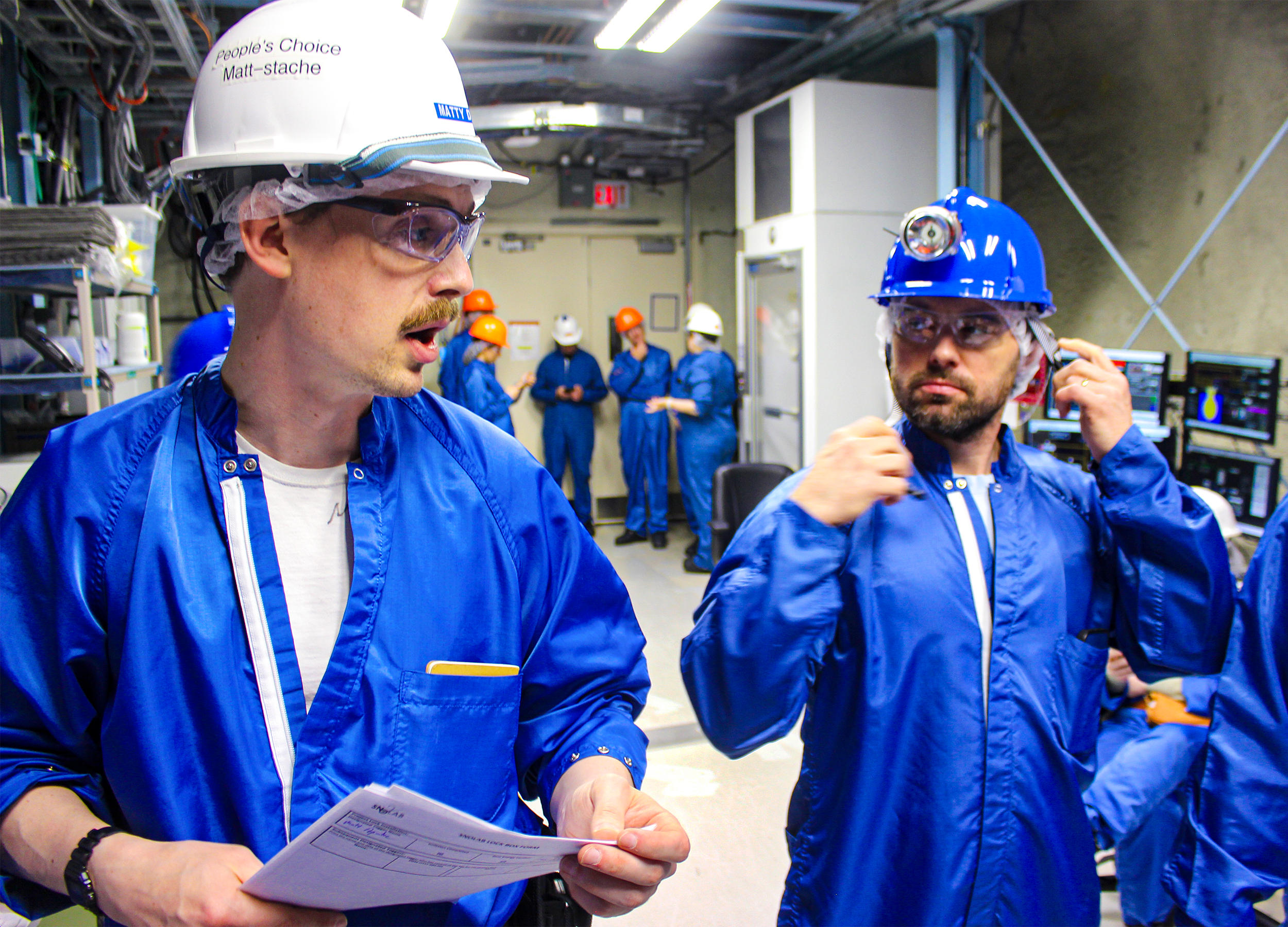
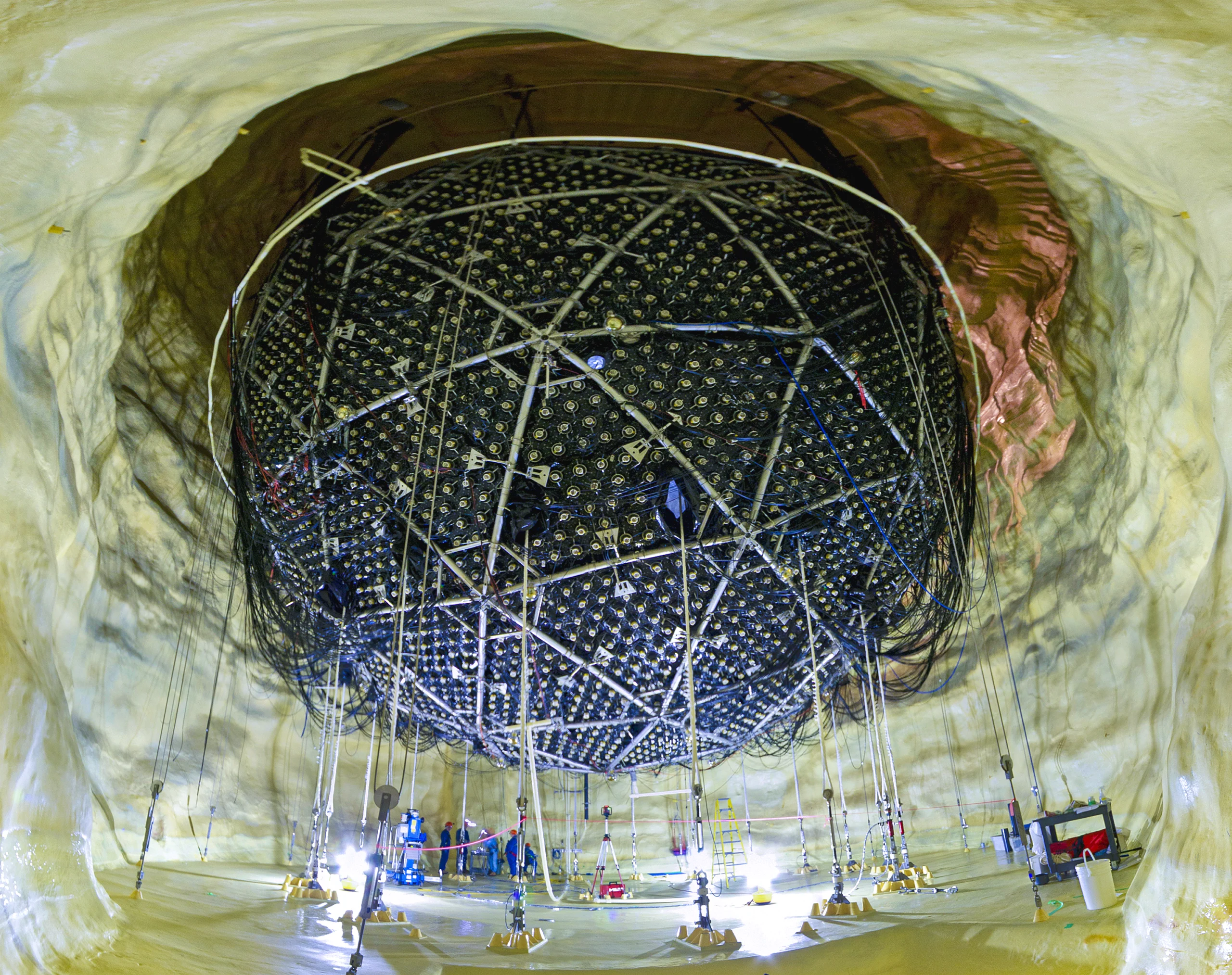
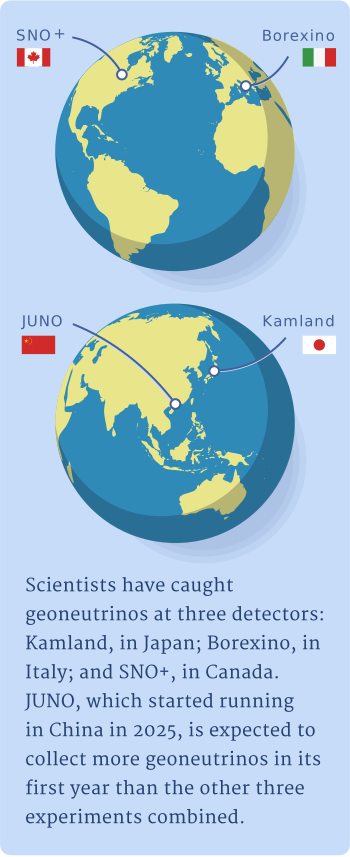
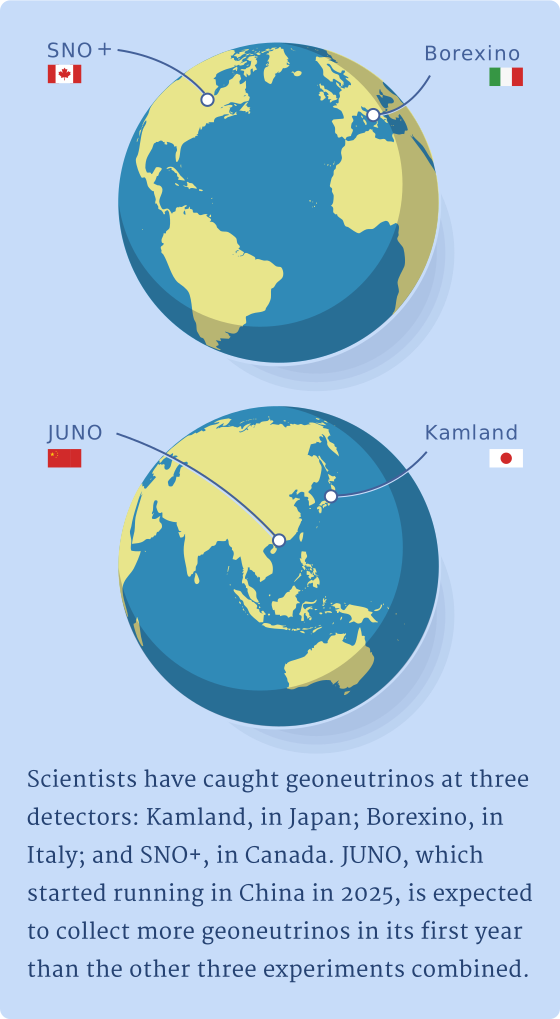
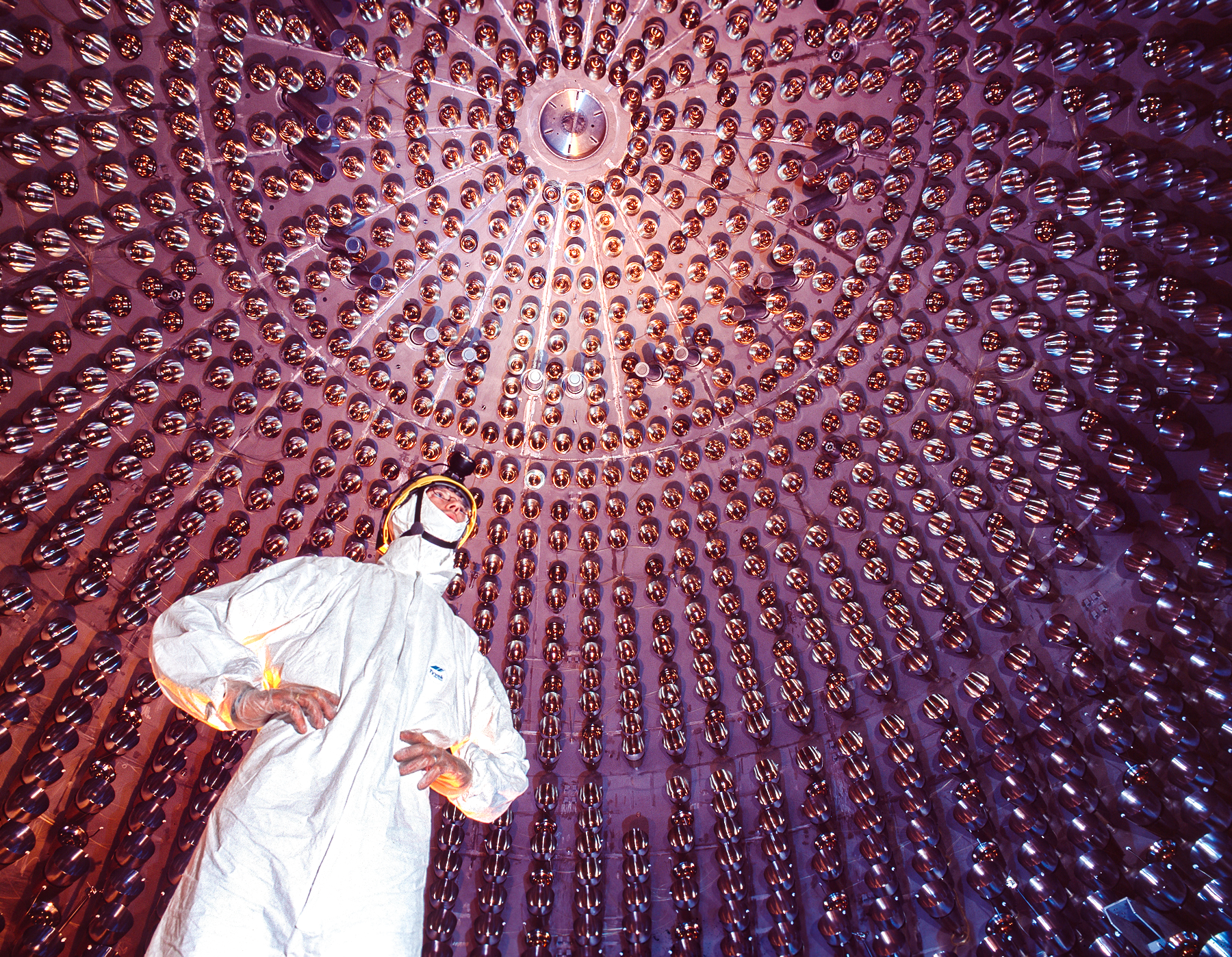
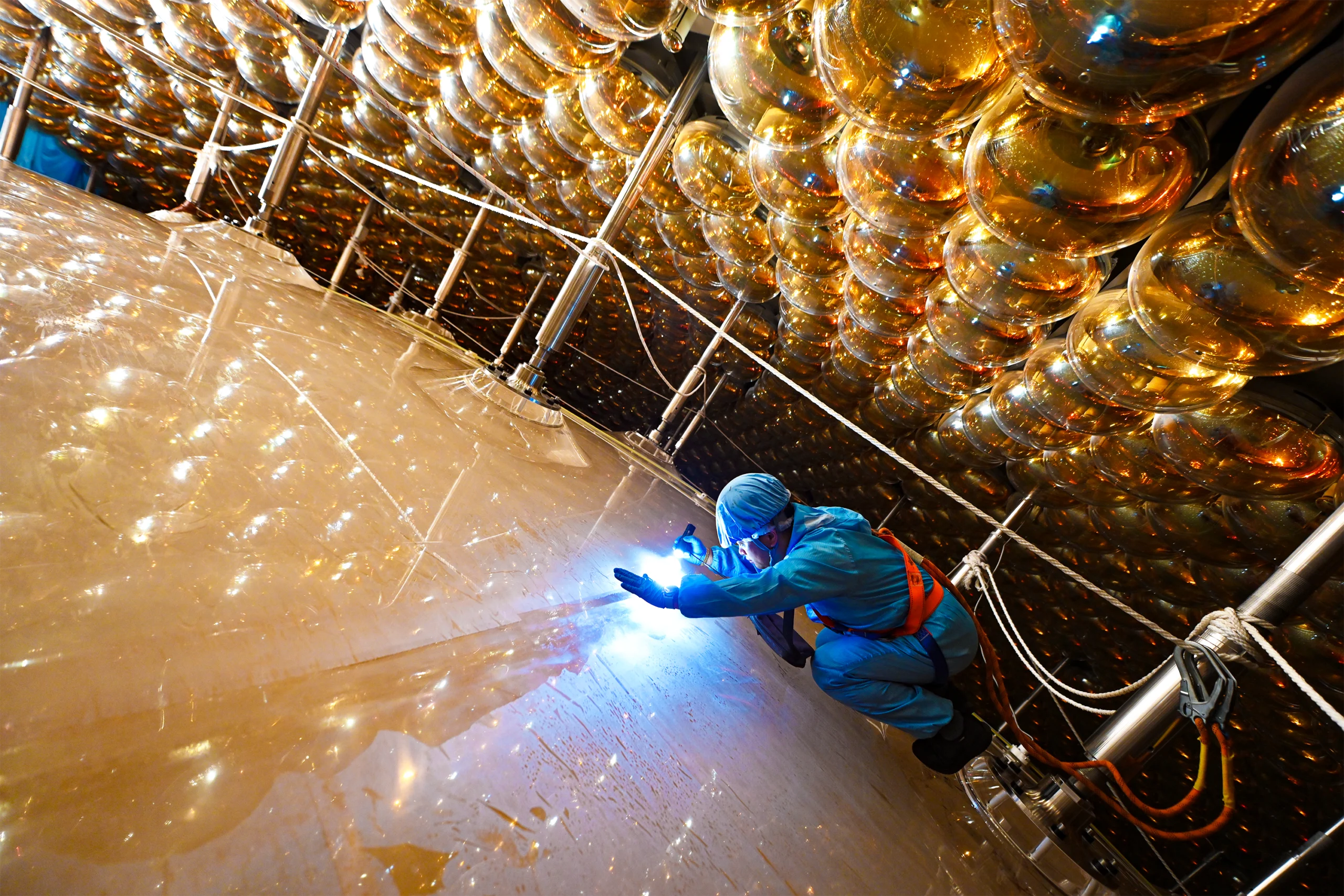
A global constellation of neutrino detectors is creating a never-before-seen view of the radioactive elements that power Earth’s tectonic heat engine. The JUNO experiment, located outside the city of Guangzhou in China, is expected to report its first geoneutrino detections this year. JUNO Collaboration Introduction In a laboratory 2 kilometers underground, a crane lowers Matt Depatie , a detector technologist, through a hatch into a white-walled cavern filled with about 7,000 tons of ultrapure water that glows as blue as wiper fluid in the light. “Splashdown,” Depatie says over a radio as he steps into an inflatable raft waiting below. Normally, the cavern is one of the darkest places on Earth, but today, it is lit up for maintenance, offering us a rare chance to see inside. I peer through the hatch at Depatie as he paddles over to examine the submerged experiment. He’s inspecting a house-size detector built to catch some of the most elusive particles known to physics: neutrinos.…