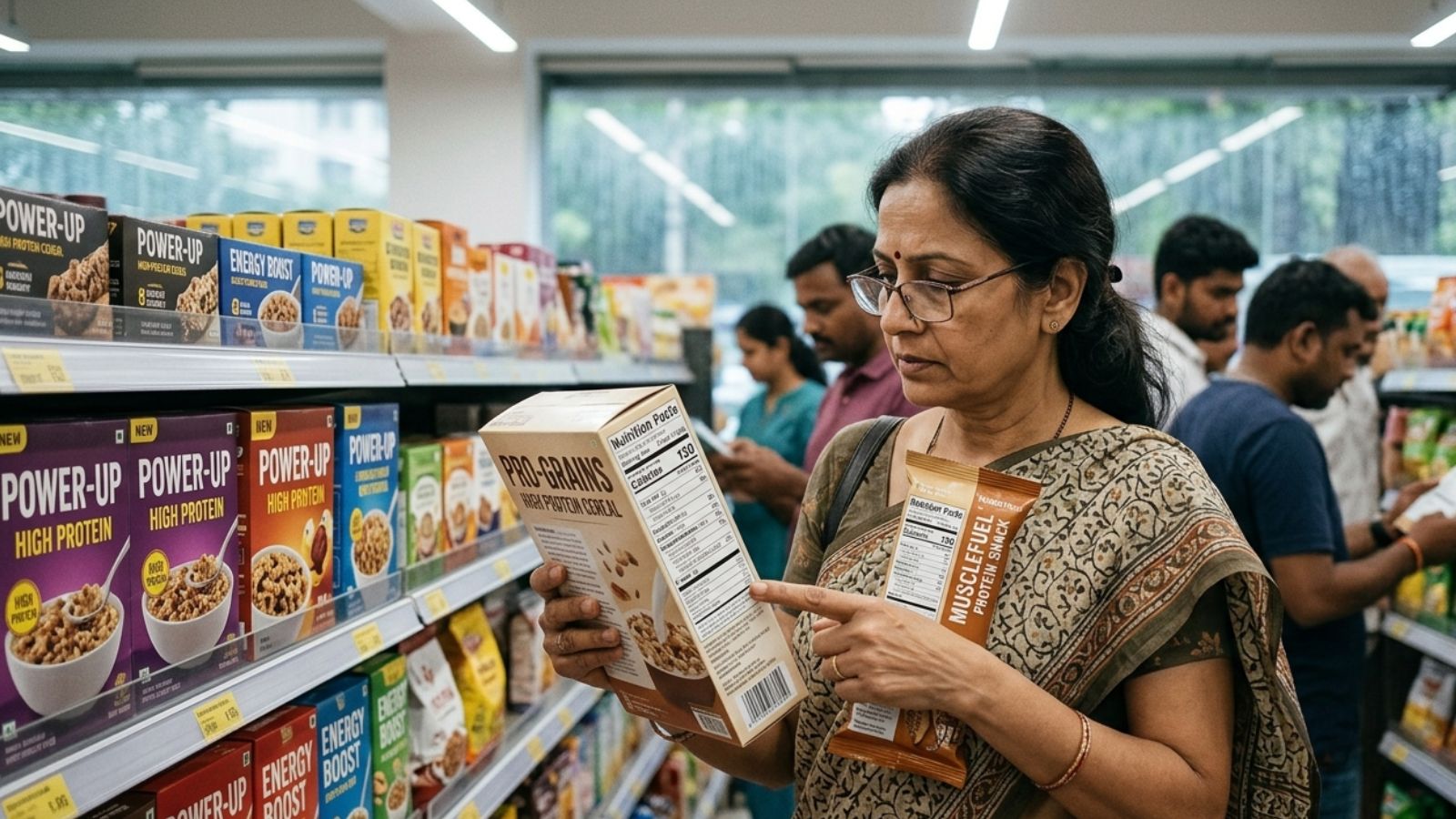
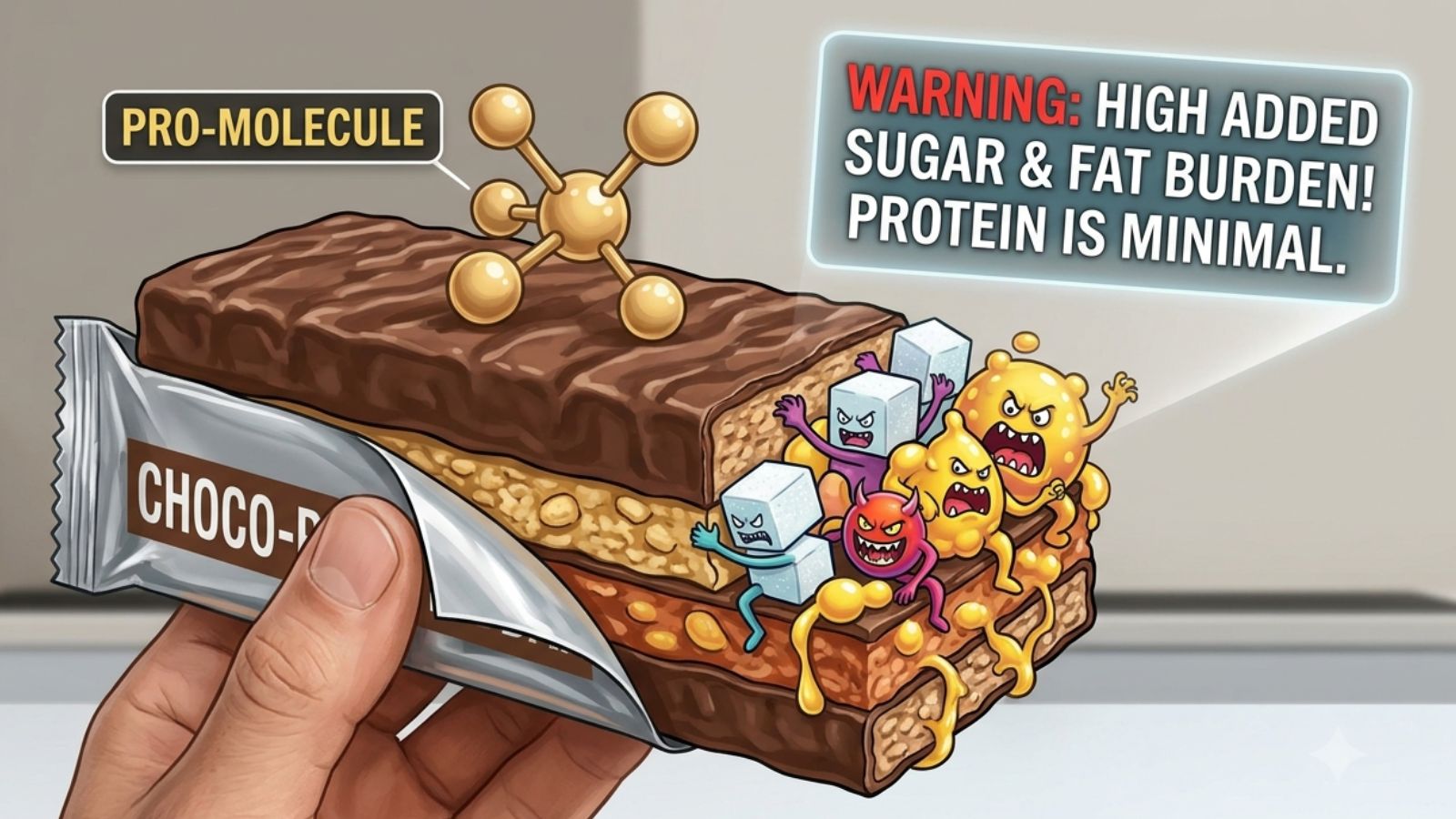
Protein has become a major selling point in the packaged food industry, with everything – from breakfast cereals and chips to biscuits, breads and chocolates marketed as high-protein alternatives. While these products can increase protein intake, the term ‘high protein’ on a package can be misleading and doesn’t always make a food healthy or nutritionally superior.
Dietitian Garima Goyal shares a checklist before you go ahead and pick up a product that claims ‘high-protein’:
DISCLAIMER: This article is based on information from the public domain and/or the experts we spoke to. Always consult your health practitioner before starting any routine.
1. Read the nutrition label, not just the front of the pack:
First, check the actual protein content on the nutrition information panel. A product may advertise added protein but still provide only a modest amount per serving. Consumers should compare protein content per 100g and per serving, rather than relying solely on prominent marketing claims.
2.…