Published Nov 16, 2026, 5:30 PM EST
Umair Khurshid is a technology writer and developer with a strong focus on Linux, FreeBSD, cloud infrastructure, and automation. Before focusing on writing, Umair worked as a developer and DevOps engineer building and automating cloud-native systems.
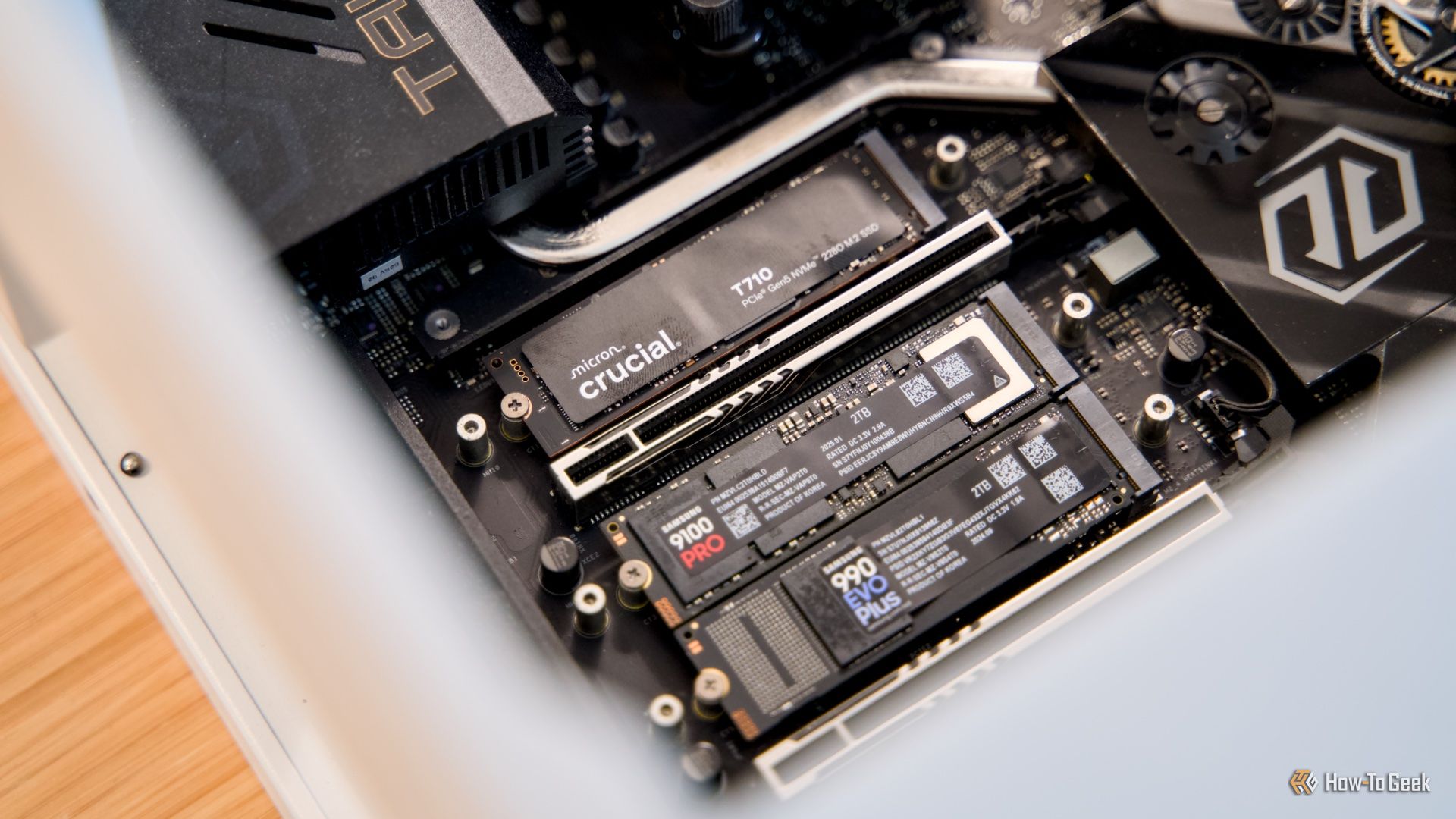
If you have recently upgraded from a SATA SSD to an NVMe SSD, you might have noticed something strange. Your new drive is several times faster on paper, and the benchmarks certainly confirm that. Yet, when you boot Windows, open your browser, or launch your favorite applications, everything feels almost exactly as it did before.
This can be confusing, especially when you consider the speed. A typical SATA SSD tops out at around 550MB/s, while a modern PCIe 5.0 NVMe SSD can reach 14,000MB/s or more. That is over 12 times the sequential transfer speed, which sounds like an enormous upgrade. The problem is that these numbers tell only part of the story.…