Skip to content
The desert of the Iranian Plateau receives very little rainfall, and most of it falls in the mountains before flowing underneath the porous ground of the region. The ancient Persians figured out a way to access the water and build a flourishing civilization in the desert .
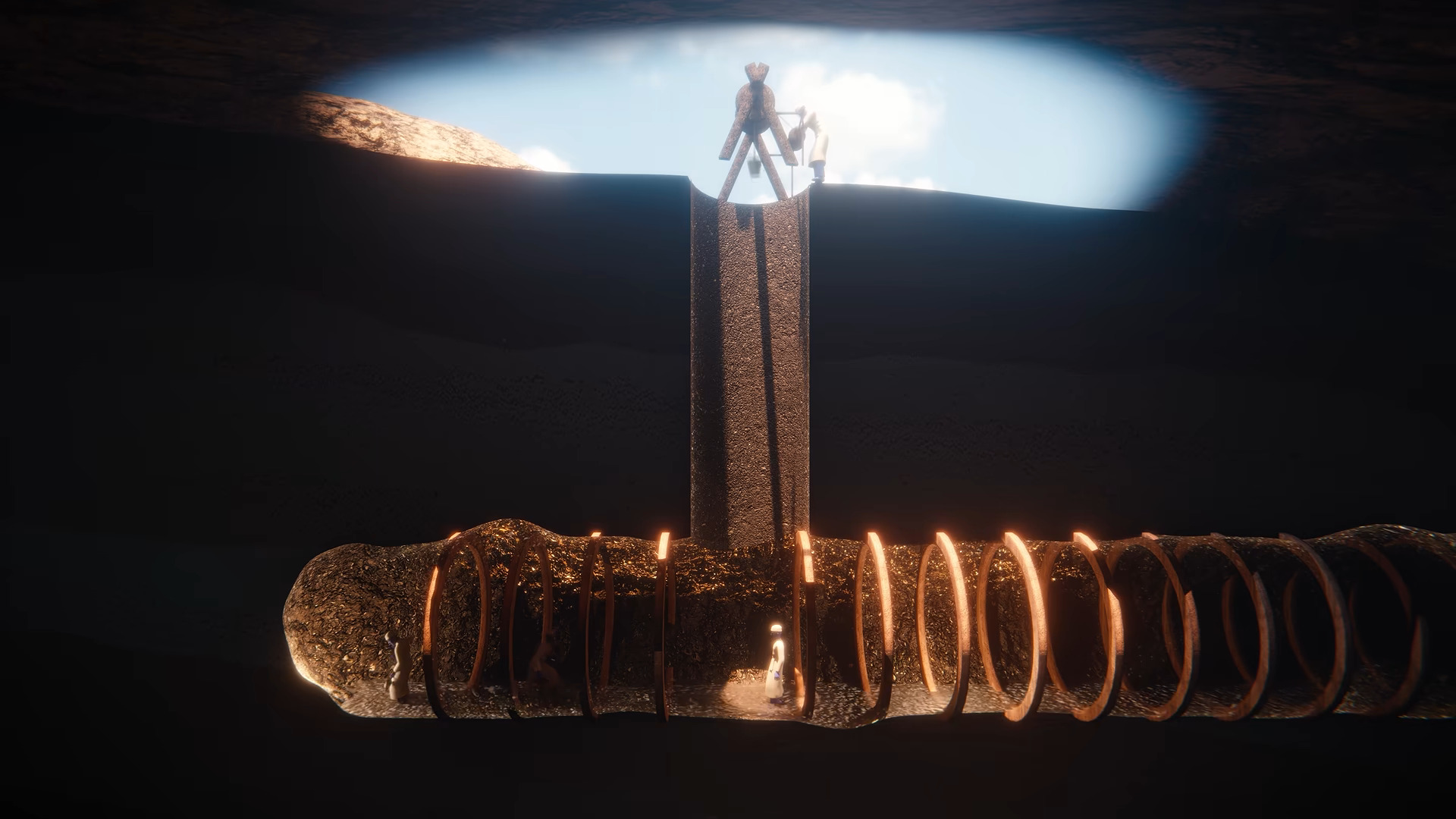
Half a million vertical shafts cover the Iranian Plateau and are evidence of the massive hydraulic engineering project that allowed cities to thrive in this hostile climate. Persian mathematician Al-Karaji helpfully wrote the book on the method, called The Extraction of Hidden Waters. After examining the land for clues, a piece of wool on a string was lowered in hole, and if it came back wet, a series of test wells were drilled until you found water.
Dropping approximately 1 m for every 1 km, the tunnel, or qanat, would then be dug from the outlet where the water level is even with the surface back to the mother well where the water was discovered.…