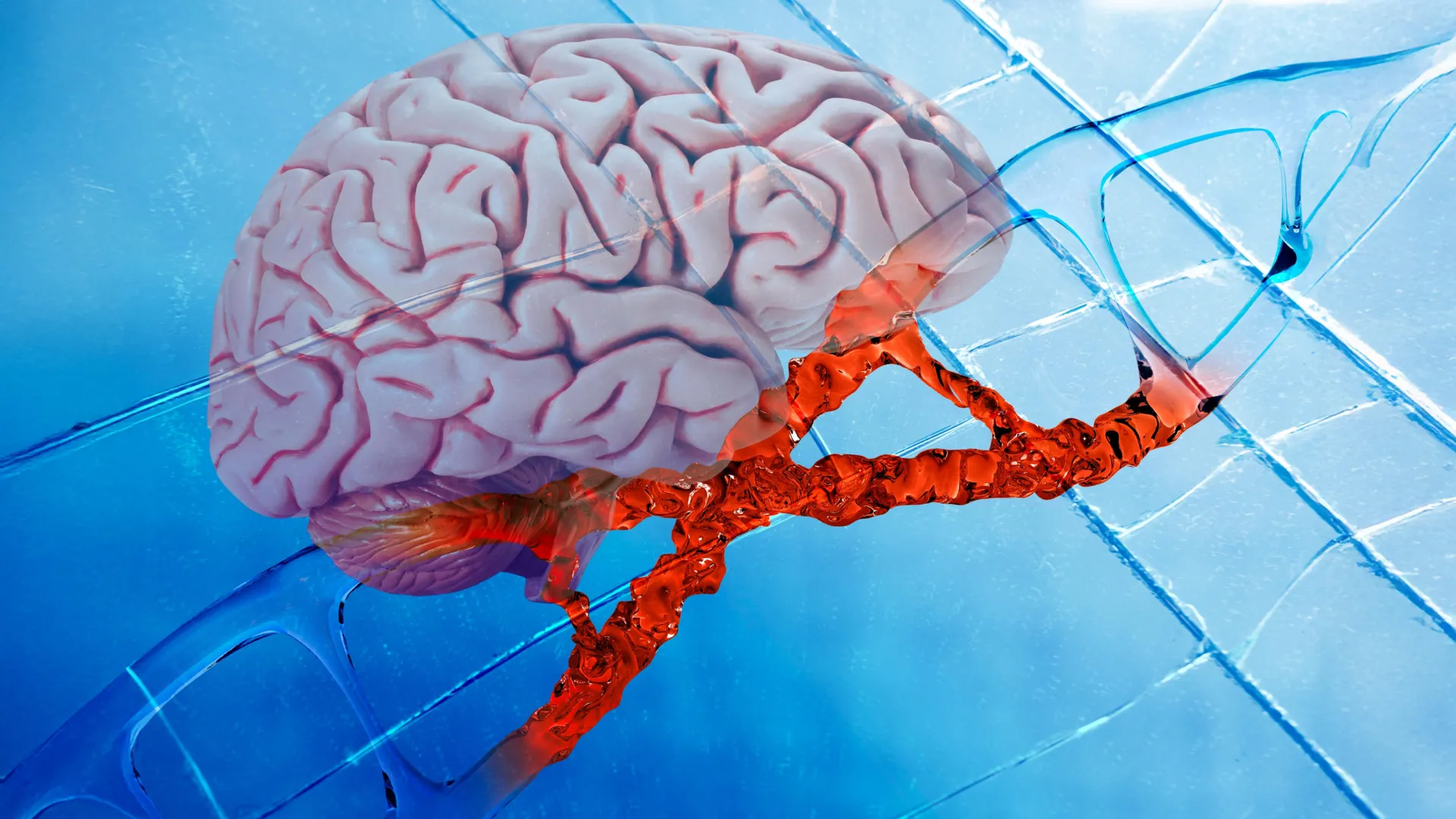
Scientists at King's College London have identified a promising new strategy for fighting Alzheimer's disease that could address several of the condition's damaging effects at the same time. Their research suggests that an experimental drug originally developed for spinal cord injuries may help repair damaged DNA, reduce inflammation, and target biological changes associated with the disease.
The drug, known as KCL-286, produced encouraging results in a mouse model of Alzheimer's disease. Unlike treatments that focus primarily on the buildup of toxic proteins in the brain, this approach targets additional processes that can begin long before the disease reaches its advanced stages.
One particularly promising advantage is that KCL-286 has already completed Phase 1 human safety and tolerability trials as part of its earlier development.…