Long-lived electric fields charge and manipulate liquid droplets, while patterned surface charges encode their arrangements and guiding paths
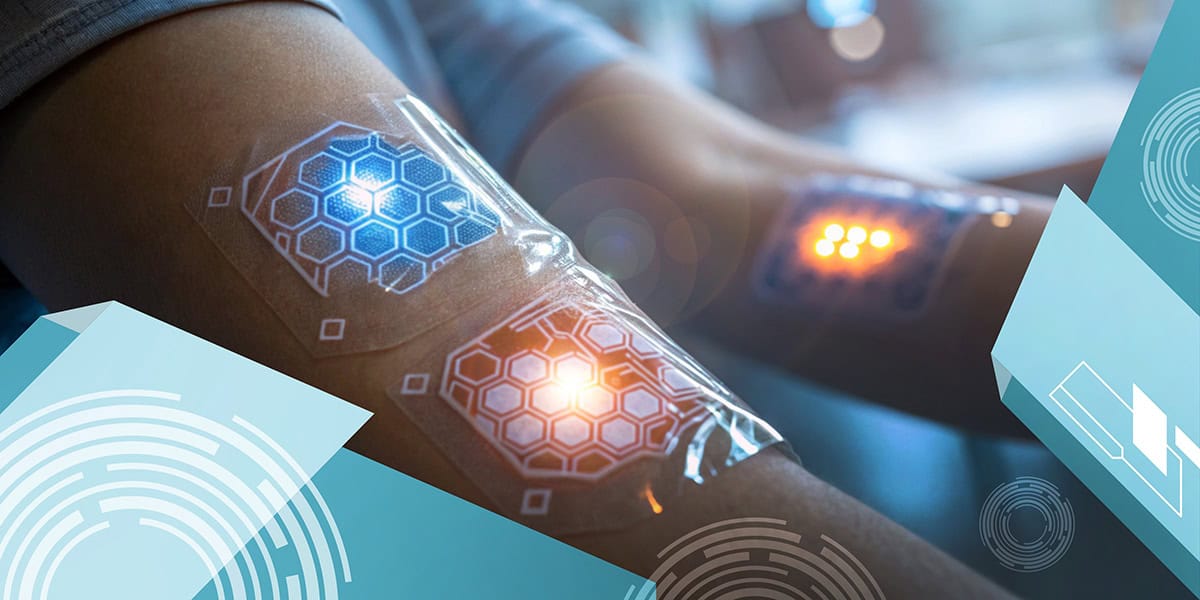
A self-powered microfluidic platform that can charge, transport, sort and route droplets without external electronics, offers a promising route towards truly off-grid wearable biosensors where sample handling and analysis could be performed with minimal power consumption and system (Credit: Shutterstock/Guguart).
Manipulating small liquid droplets is central to microfluidics, with applications ranging from medical diagnostics to chemical analysis. Established techniques such as electrowetting and dielectrophoresis offer precise control but often require external voltage supplies and electrode-control hardware.
Researchers at Kyung Hee University, South Korea, have developed a self-sustained electric-field-based electrophoretic platform (SELF-EP) that uses precharged polymer films to charge and manipulate droplets.…