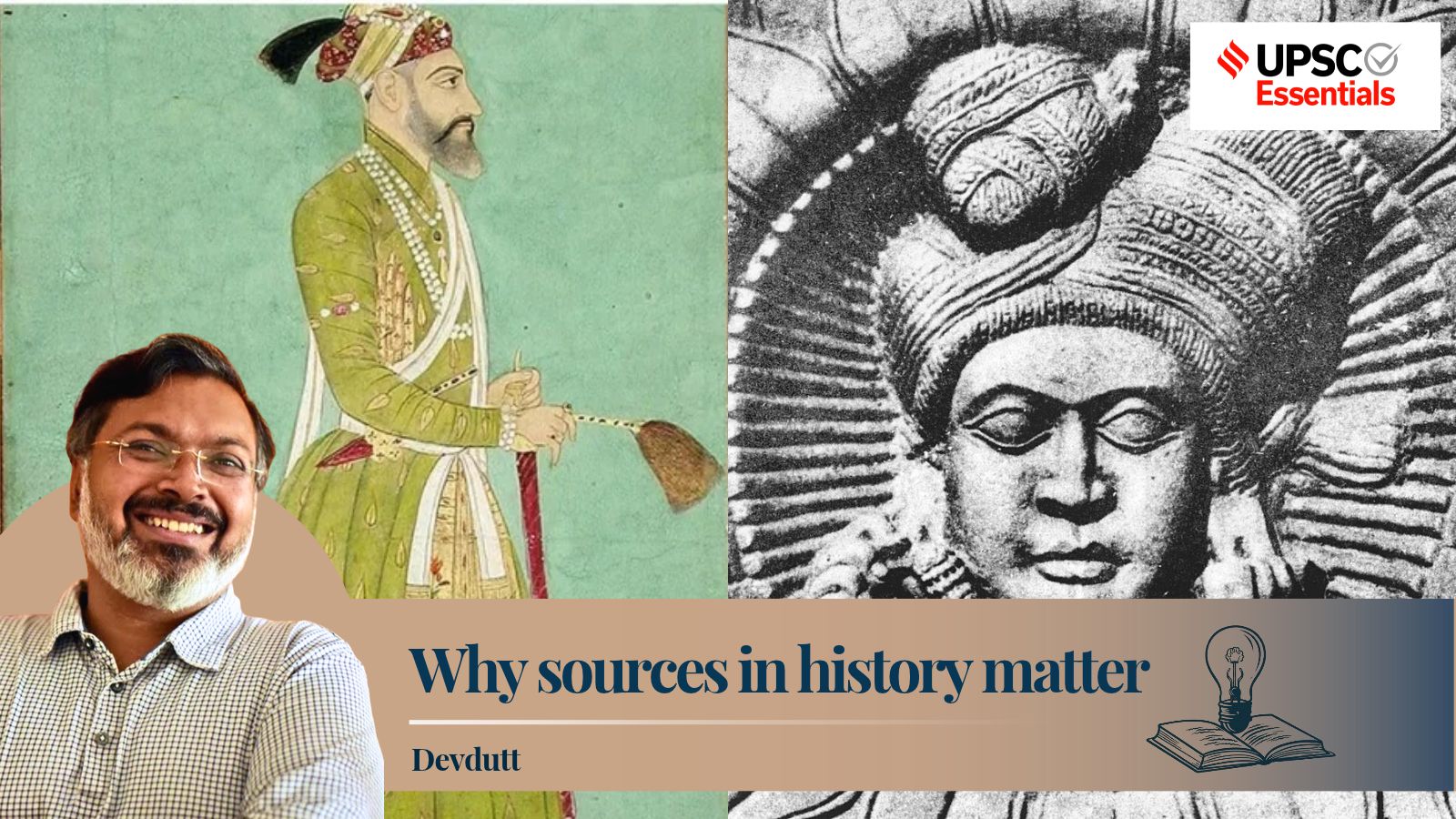
When we seek heroes and villains in history, we become storytellers who serve politicians. Two case studies reveal this well. One related to Pushyamitra Shunga, who ruled about 2,200 years ago. The other is related to Aurangzeb, the Mughal emperor who died in 1707.
A small lesson on sources first. Historians use two broad kinds of evidence. One is written stories, like chronicles and religious texts. The other is physical evidence, like buildings, coins and inscriptions (words carved into stone). Written stories tell us what someone wanted us to believe. Stones and coins are harder to fake. When the two disagree, the stone usually wins.
Did Pushyamitra really persecute Buddhists?
Pushyamitra was a general under the last Maurya king, Brihadratha. Around 185 BCE, he killed the king and took the throne.…