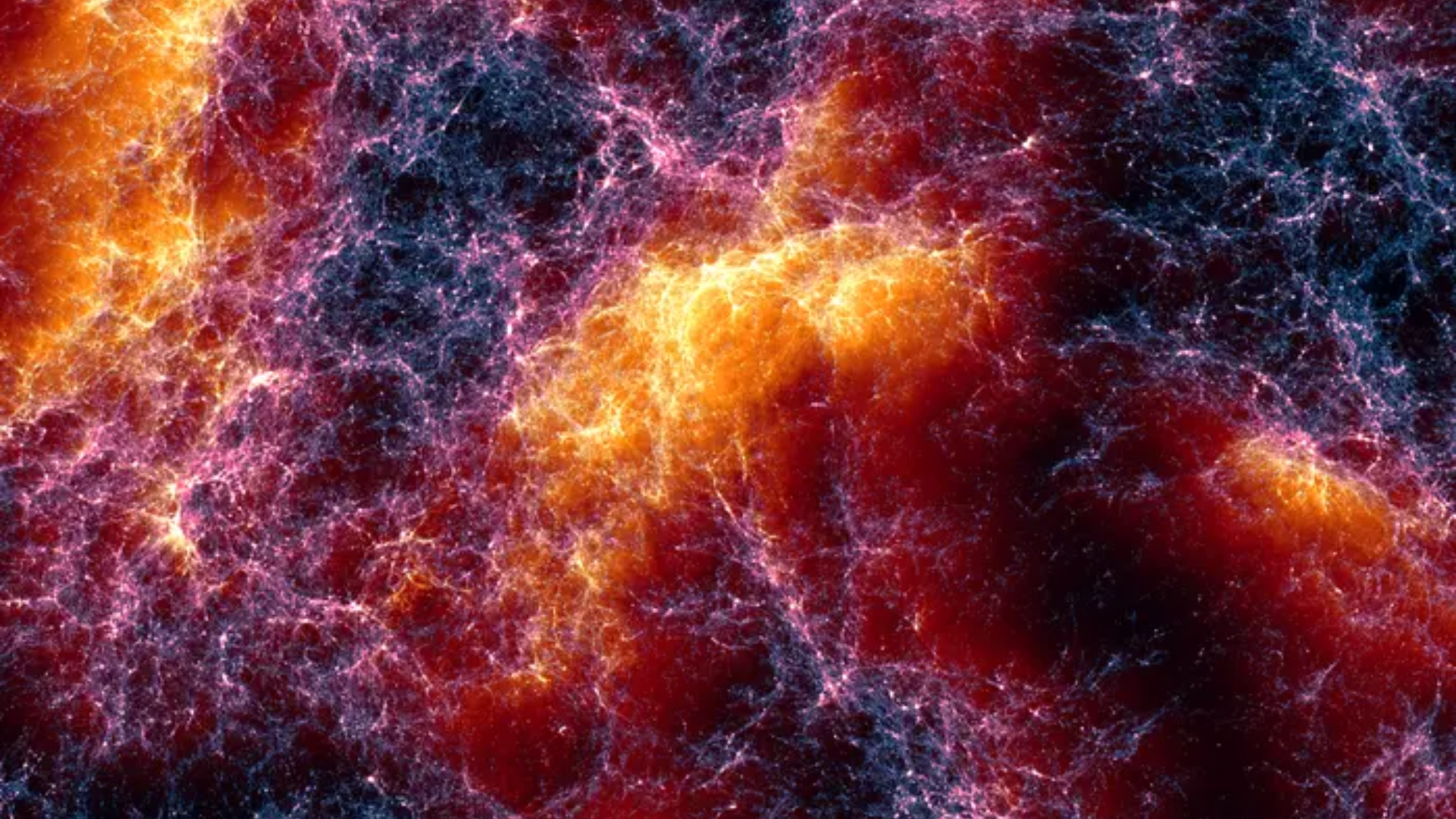
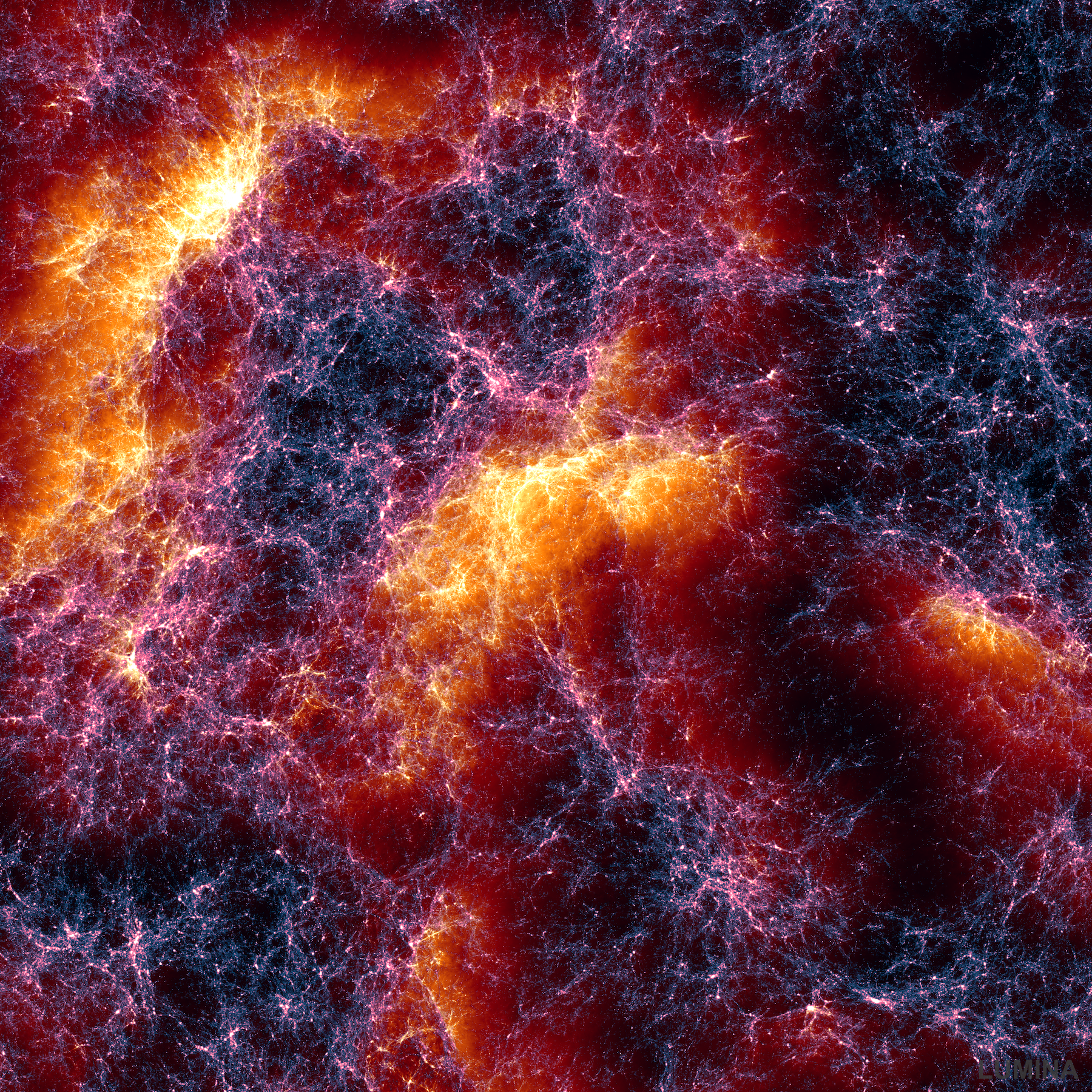
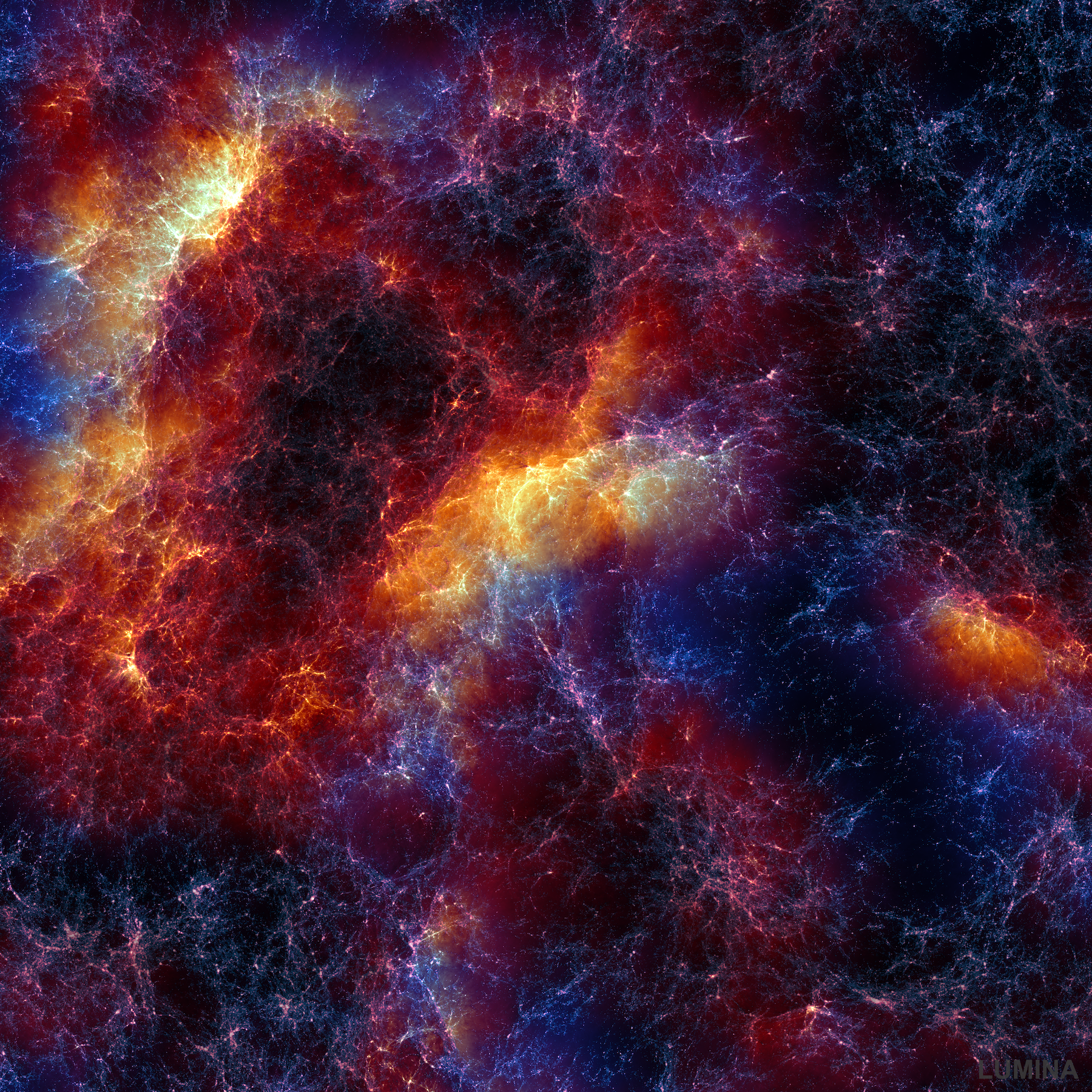
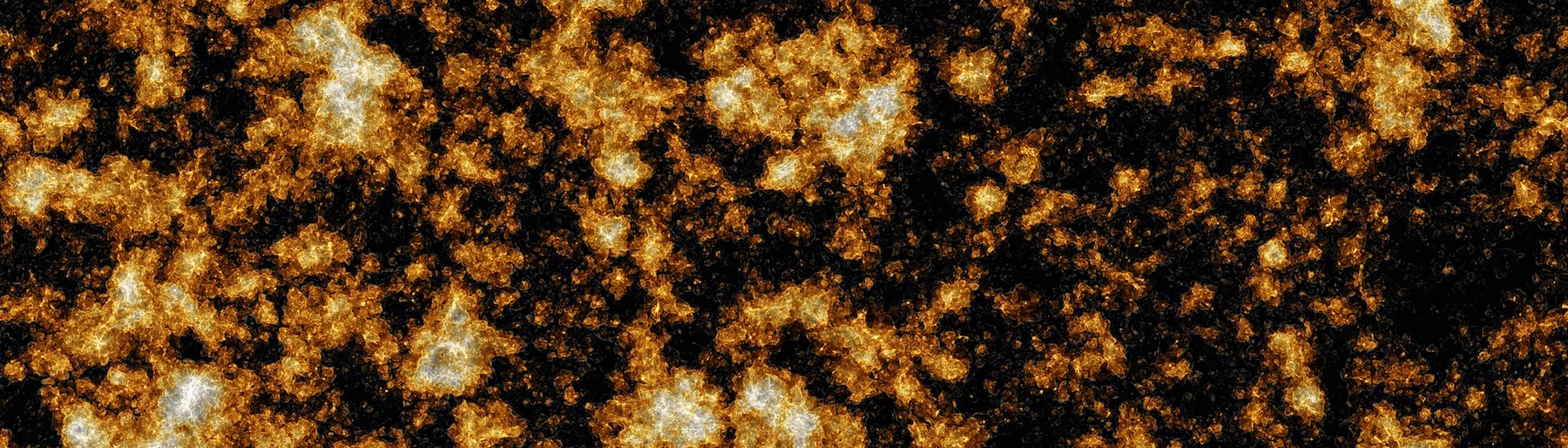
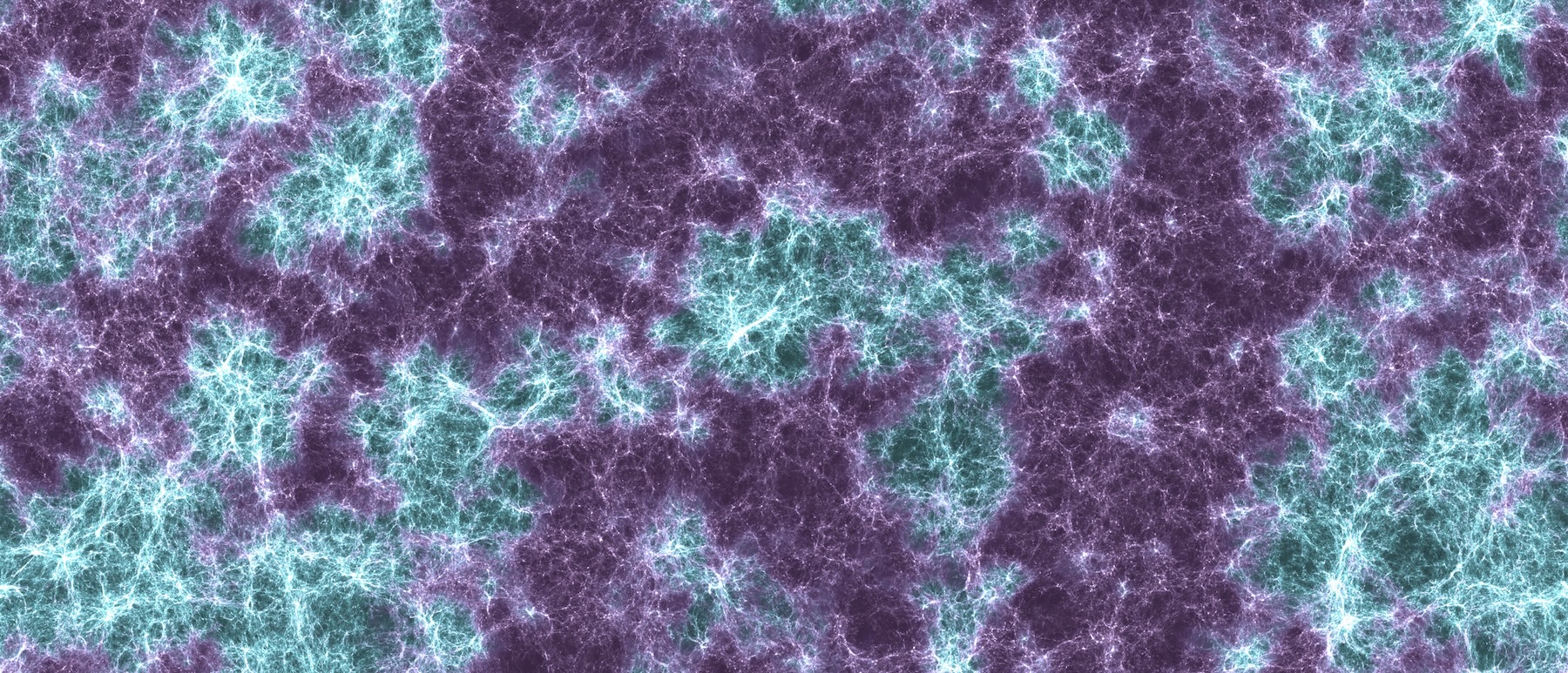
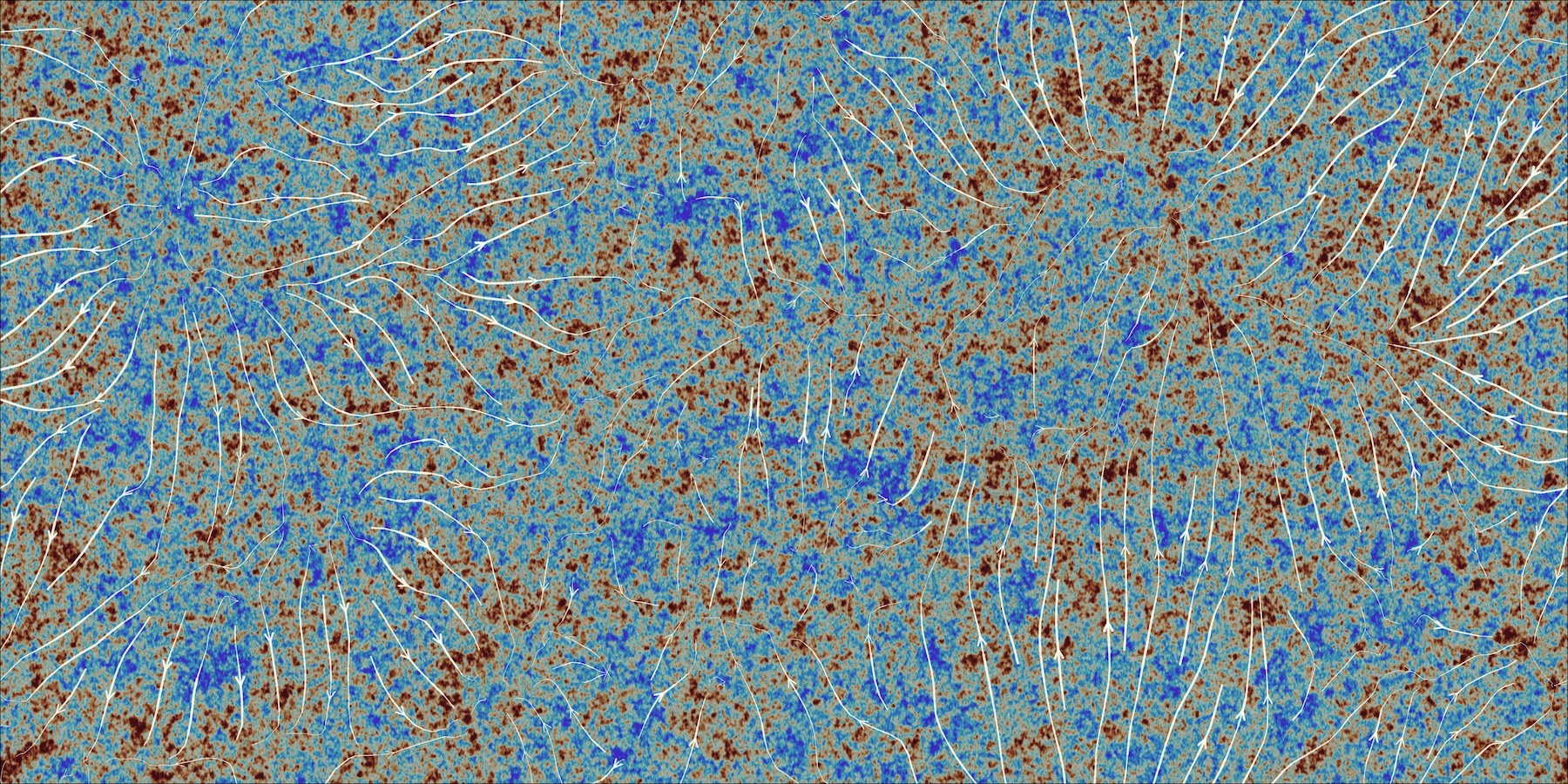
A rendering of the cosmic web about 650 million light-years across, produced by the Lumina simulation. The fine filaments represent dark matter, and the warm orange and yellow tones highlight where gas is moving the fastest between galaxy clusters. Image: Oliver Zier, Center for Astrophysics | Harvard & Smithsonian
Millions of miles away from Earth, the James Webb Space Telescope (JWST) and Nancy Roman Space Telescope are revealing the early days of our vast universe in extraordinary detail. A team at the Center for Astrophysics | Harvard & Smithsonian have developed Lumina , one of the largest and most detailed simulations ever created of the early universe .
The new model is detailed in a study published today in the journal Monthly Notices of the Royal Astronomical Society . It recreates how ordinary matter, dark matter, and radiation all interacted during the universe’s first 2 billion years. This gives scientists a new tool to test out their theories about how the cosmos evolved after the big bang .…