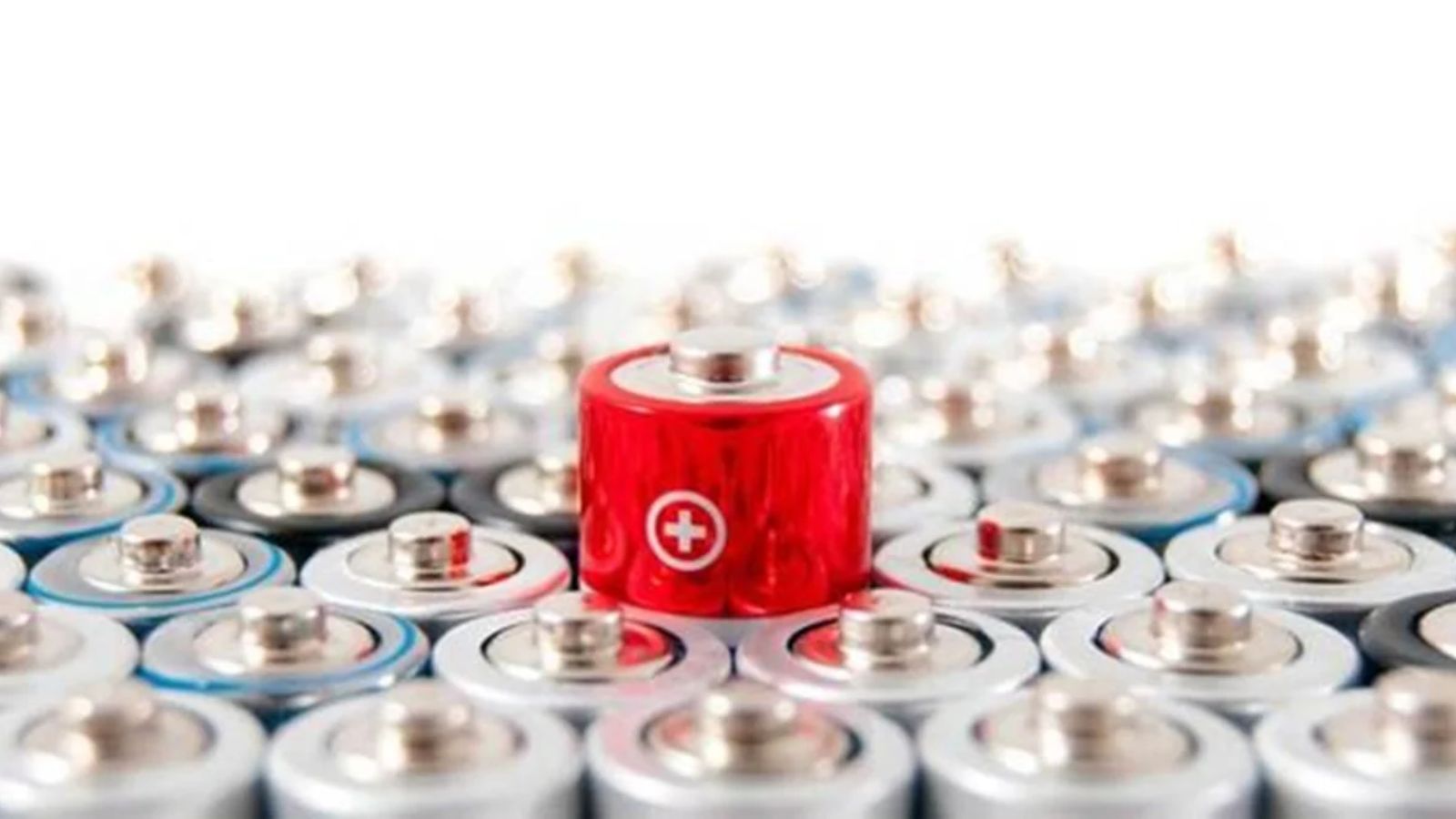
With an eye on building a resilient domestic ecosystem for battery recycling and refining, the government has banned the export of lithium-ion battery black mass and related battery waste with immediate effect.
Black mass is a powder-like material that remains after waste lithium-ion batteries and consumer electronics are broken down. Apart from lithium, this powder contains critical minerals such as cobalt, manganese, silicon, tin, nickel, rhenium, and graphite, among others. Recycling of black mass can help recover these crucial materials, which can be reused to make new batteries.
In a notification issued on November 10, the Director General of Foreign Trade (DGFT) under the commerce ministry amended the export policy for “waste and scrap of primary cells, primary batteries and electric accumulators; spent primary cells, spent primary batteries and spent electric accumulators – Unsorted and not containing lead, cadmium or mercury (Lithium-lon Battery Black Mass)” from ‘Free’ to ‘Prohibited’.
“This…