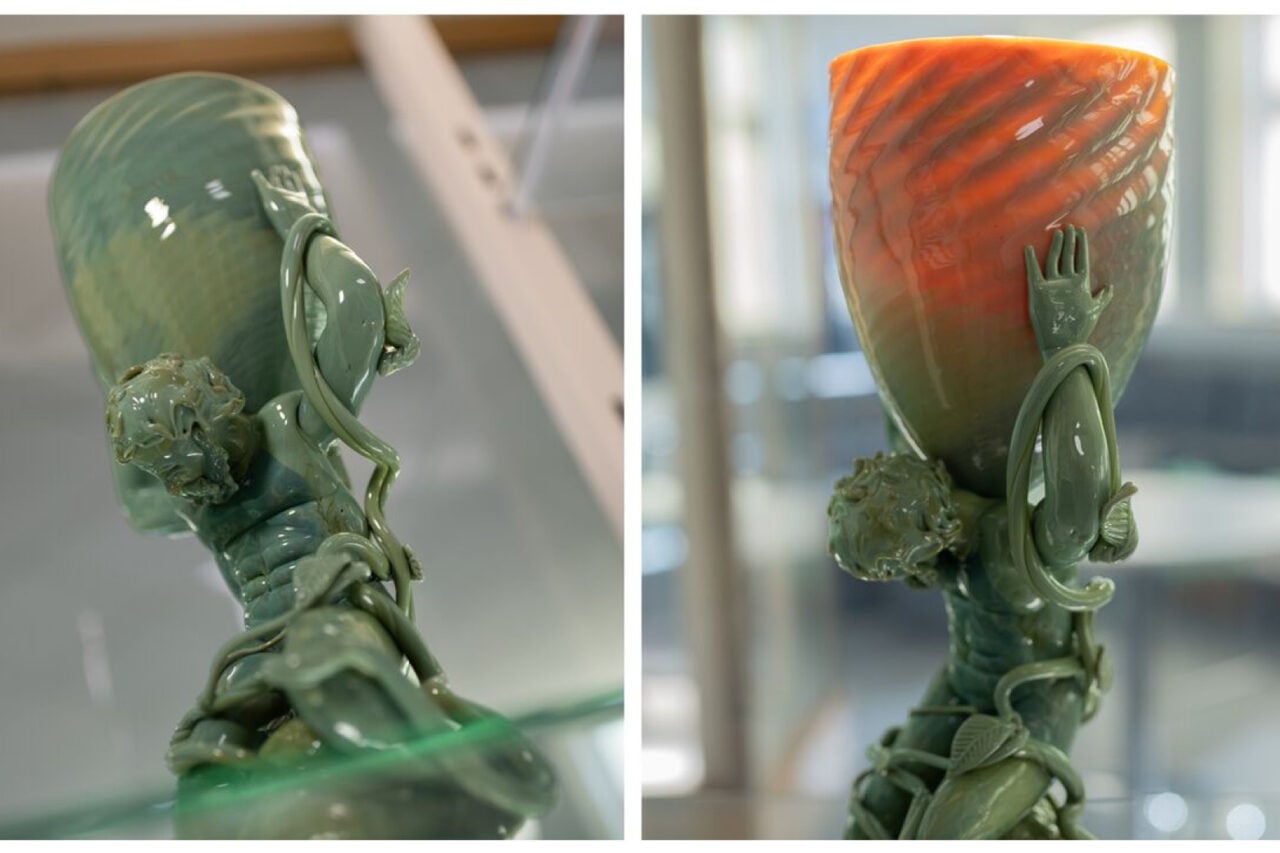
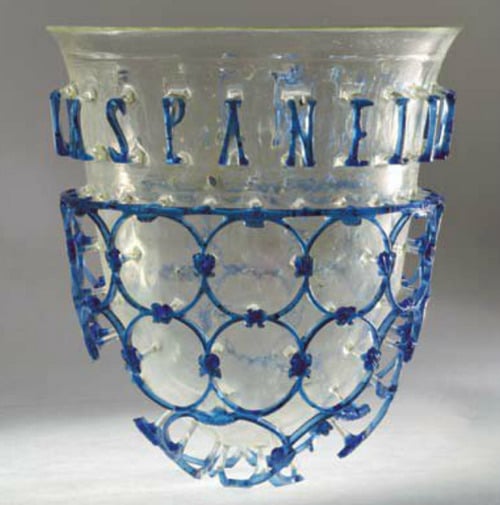
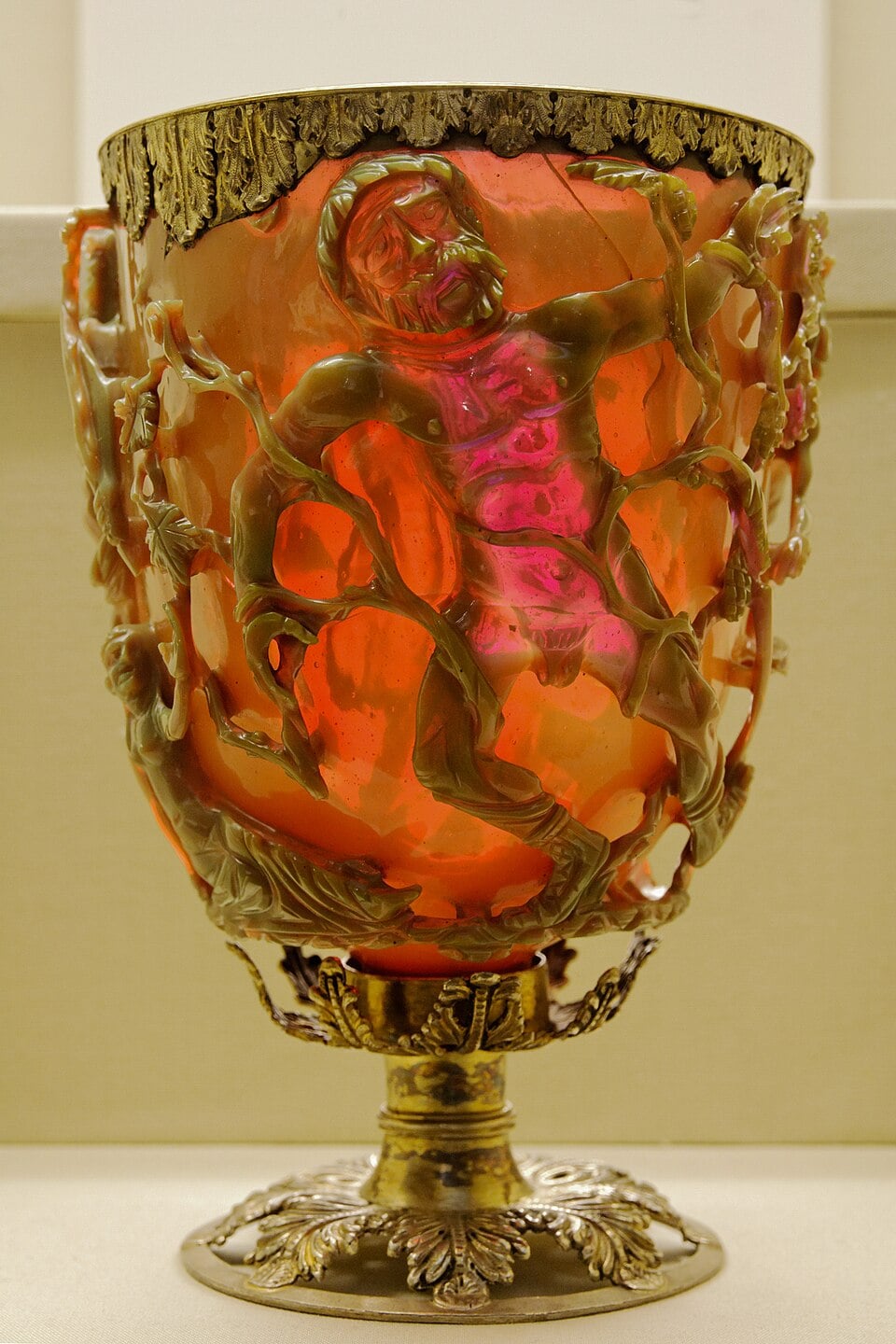
For years, the Lycurgus Cup has captivated art historians, glassmakers, and scientists. Crafted in the 4th century, the Roman cage cup’s glass body transforms from jade green to ruby red under a backlight—an effect modern scholars struggled to properly reproduce until now.
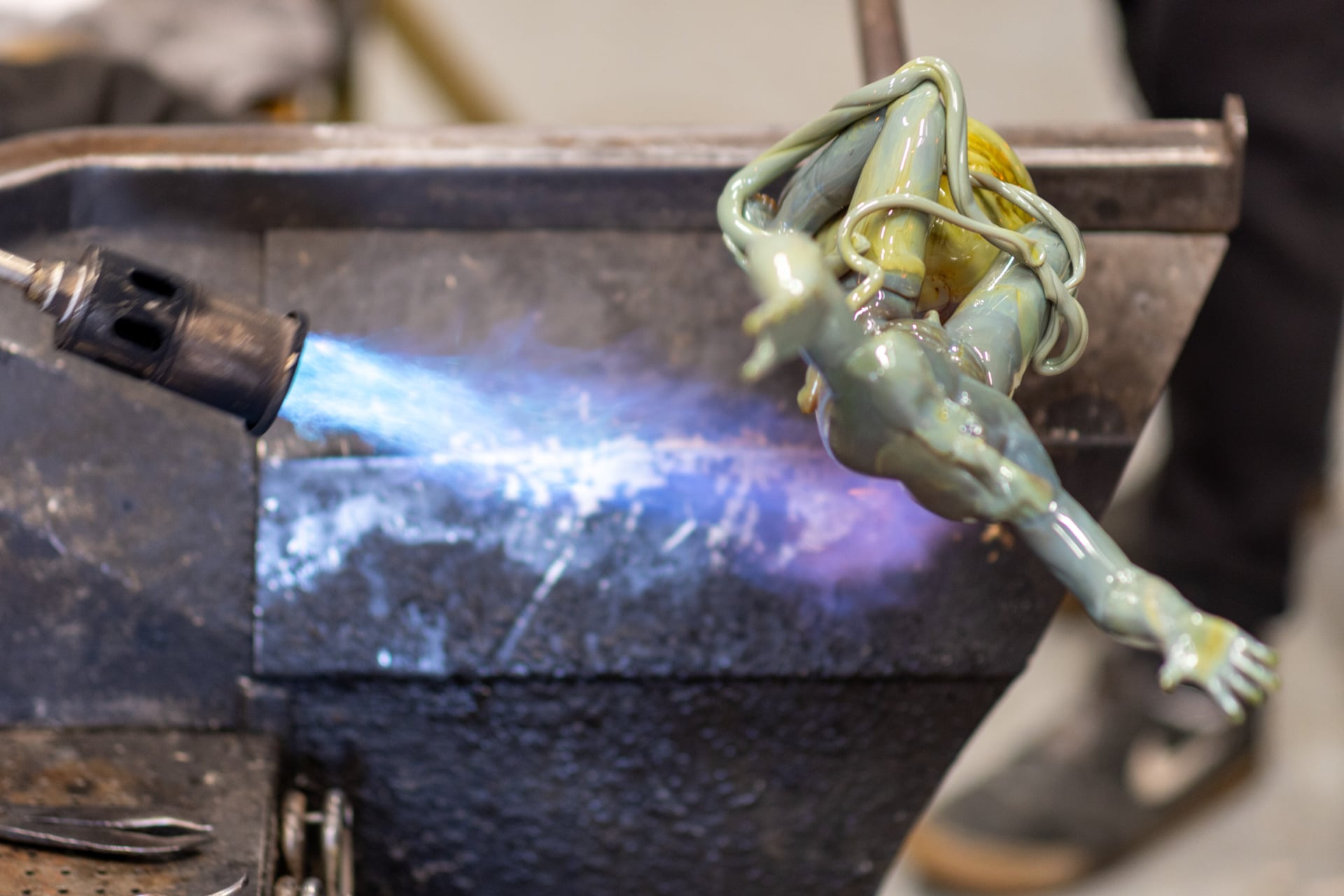
In a recent announcement , the University of Sheffield in the U.K. reported that its experts had successfully emulated the optical effect observed in the Lycurgus Cup. For context, the cup is made of dichroic glass, a material that shifts color depending on the angle of view. Research conducted in the mid-20th century indicated that tiny nanoparticles of gold and silver—smaller than wavelengths of light—contributed to the unique color change.…