Most of us could spend our entire lives looking at the night sky and see very few changes. The Moon becomes more or less illuminated, the planets drift placidly through the sky, satellites and the ISS intrude for a few moments at a time, and the bright, momentary streak of a meteor punctuates the occasional evening of star-gazing.
If we're really lucky, we get a chance to witness one of the prominent comets: a regular visitor like Halley's Comet, or a once-in-several-millenia comet like Hale-Bopp. A very small number of us might be truly fortunate and witness a distant supernova.
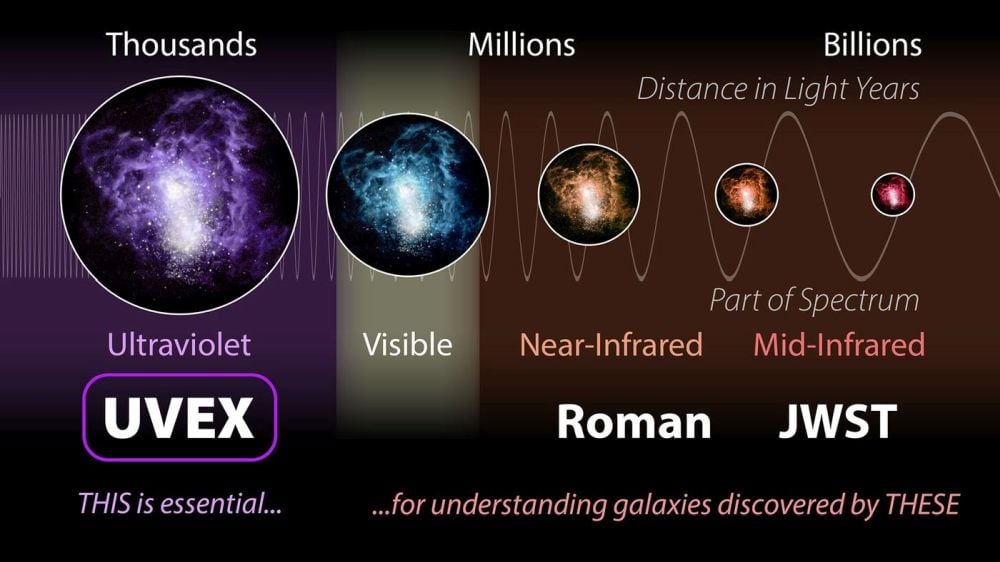
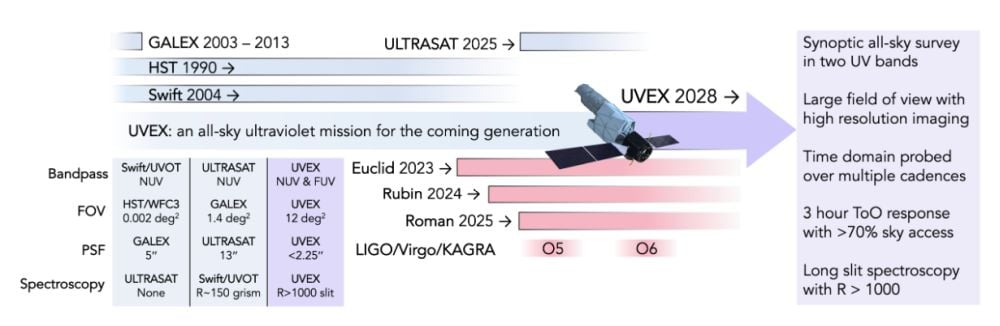
But the apparent uneventfulness of the night sky is an illusion, even for those with a typical backyard telescope. It's the result of a selection bias based on our ability to see only visible light. The reality of the night sky is much different. Calamitous and transient events are nearly continuous, if you have the right eyes to see.…