Helin Loik-tomson/Getty Images
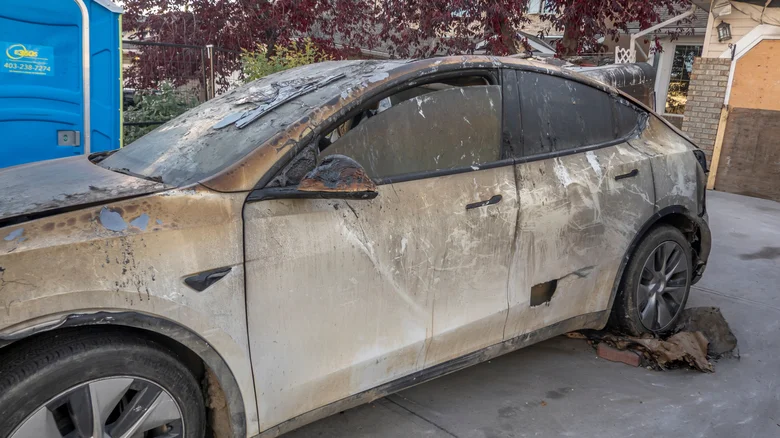
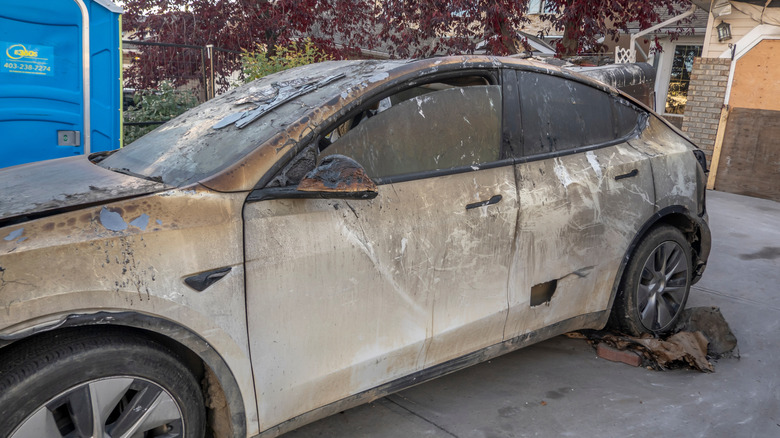
Lithium-ion batteries power a wide range of products, from vehicles (electric cars, e-bikes, and scooters) to consumer electronics (smartphones, tablets, laptops, watches, earphones, and power banks) and other devices (cordless tools, vapes, drones, cameras, and battery energy storage solutions). While they're generally safe, these batteries can still catch fire. Though the incidents are rare, battery fires are increasing in frequency because the number of battery-powered products in use is substantial — and growing. Consumers should know that a battery fire can indeed be a significant problem.
Lithium-ion batteries feature a negative electrode made of graphite and a positive electrode made of a lithium compound. The two are separated to prevent a short circuit, with an electrolyte allowing ions to move between them. Batteries can also have components that help ensure the current and temperatures are within acceptable parameters.…