If cosmologists ever identify what dark matter actually is, it may be because of a process of elimination.
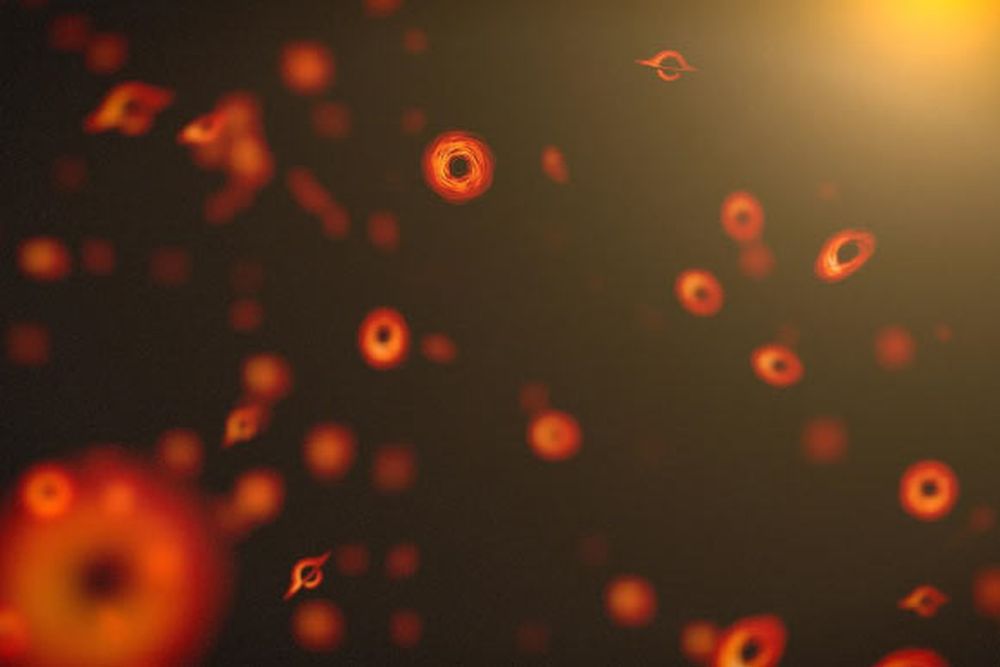
There are many potential candidates for dark matter, including WIMPs and axions , which are both hypothetical particles. But one of the most intriguing candidates are primordial black holes (PBHs) that formed in the early Universe. They're hypothetical too, but are massive objects, so their presence should be detectable in a way that particles aren't.
All dark matter candidates have their supporters and their dectractors, and PBHs are no different. But PBHs have fairly well-defined search strategies that should detect them if they exist. If they exist, then cosmologists should find evidence of them in the cosmic microwave background (CMB).
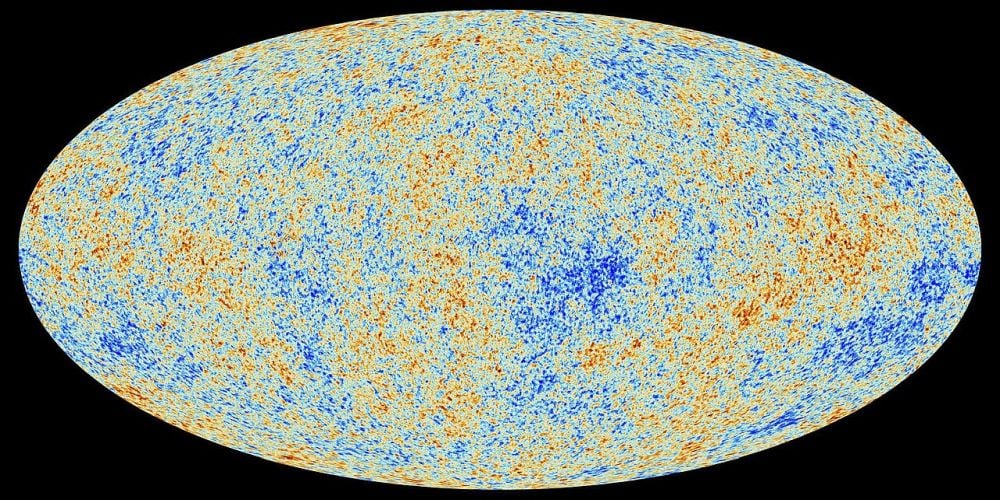
The CMB is relic radiation from the Big Bang itself, the oldest detectable light that exists. It was released when the Universe was only about 380,000 years old. For the most part, the CMB appears smooth and uniform, or isotropic.…