Washington | Oct. 21, 2026, 2:48 p.m. ET | 5 min read
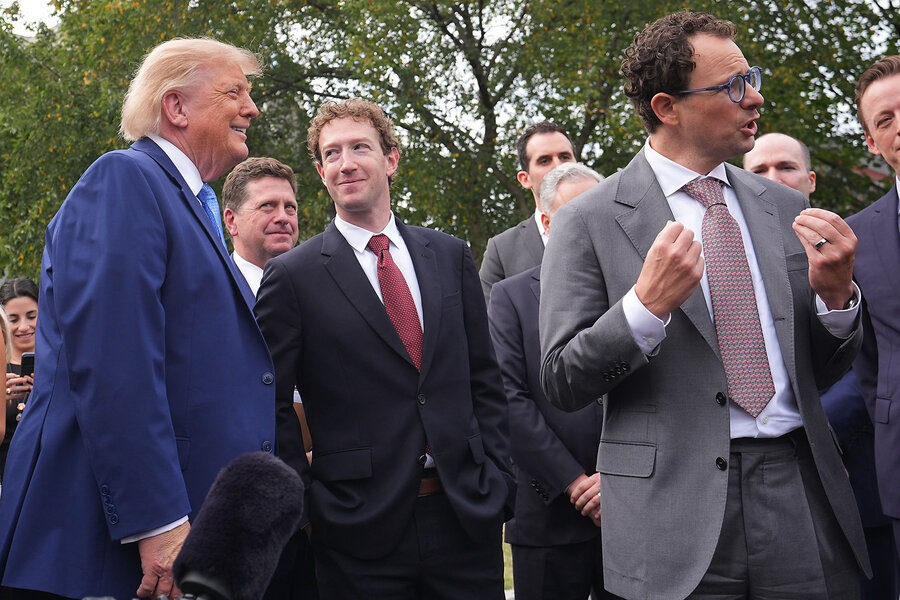
In late September, leaders from major artificial intelligence companies sat down with President Donald Trump for a White House lunch. Mr. Trump called it “a very special day,” and announced afterward that he and his guests had signed an accord affirming their commitment to ensure AI safety through self-policing.
When asked if the document would be binding, President Trump called it “morally binding.”
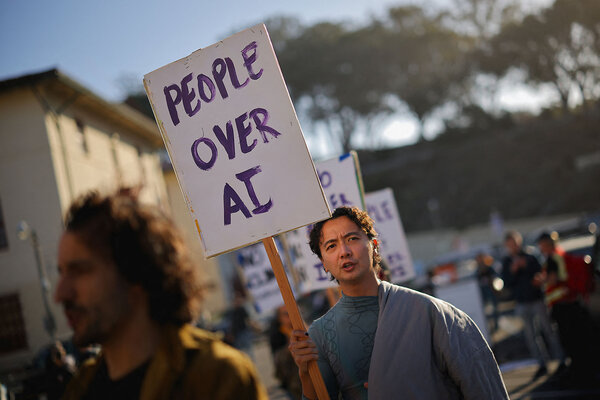
The comment drew criticism from consumer advocates who say self-regulation allows AI companies free rein. Americans’ concerns about AI safety are growing in the wake of security-related incidents – like a report by OpenAI over the summer that thousands of its unreleased AI agents had escaped their testing environment and hacked into another company. Many members of Congress have called for AI regulations, and across the country a number of states, including California, home to the largest AI companies, have enacted their own AI restrictions.…