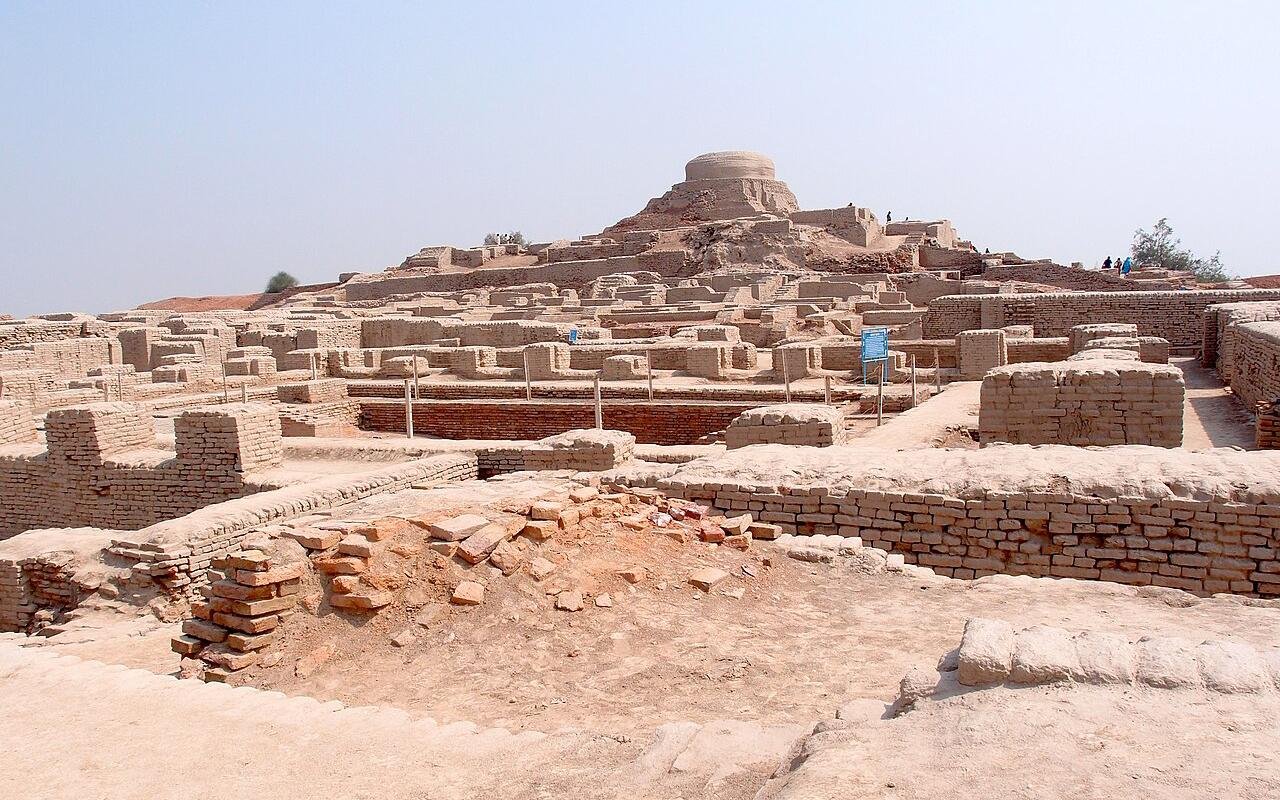
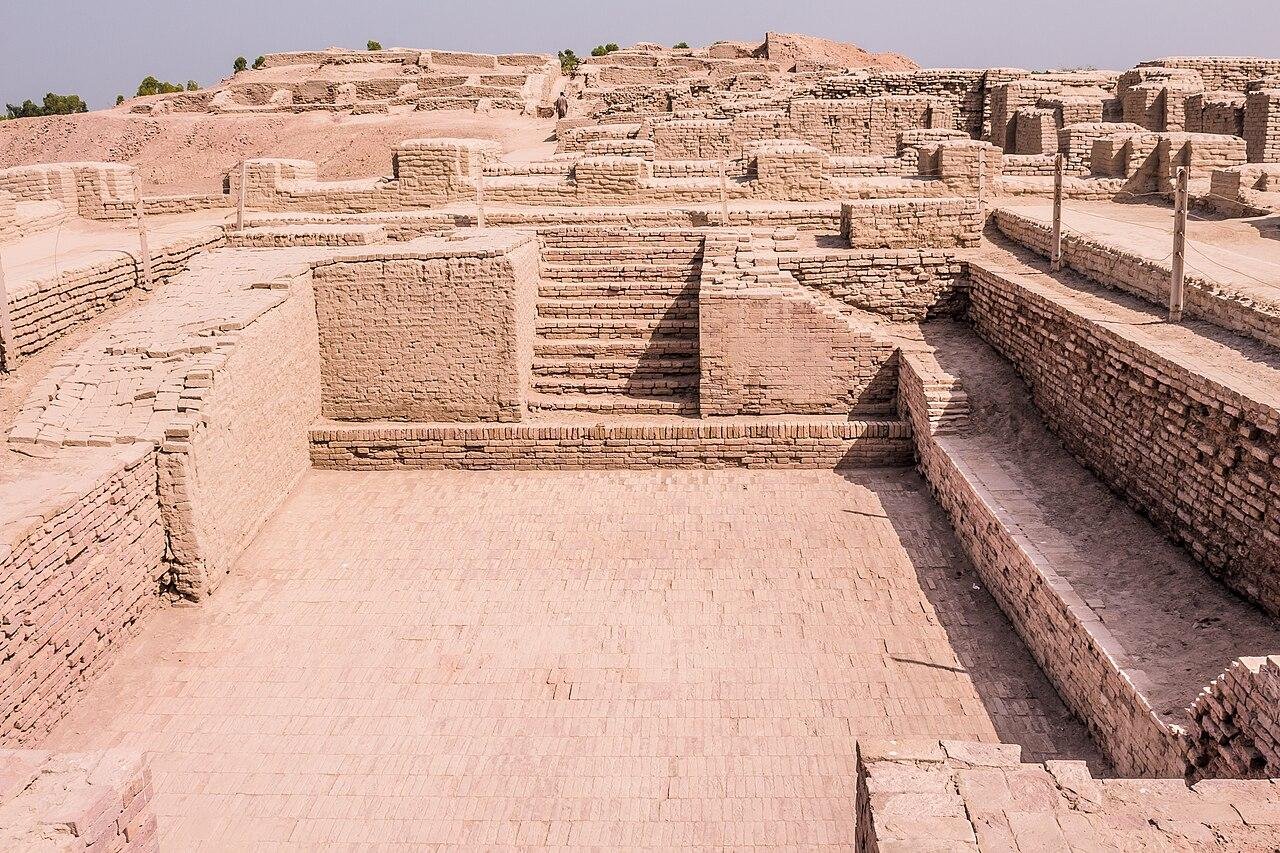
For decades, archaeologists argued that cities grew alongside inequality. As settlements expanded, wealth often moved toward rulers, priests, and elite families. A new study on Mohenjo-daro presents a different story. View of the Mohenjo-daro archaeological site. Credit: Saqib Qayyum , CC BY-SA 3.0 Researchers from the University of York examined housing patterns in Mohenjo-daro , one of the largest cities of the Indus Civilization. The city thrived between 2600 and 1900 BC in present-day Pakistan. Their analysis found lower inequality levels than those seen in other ancient urban societies. The gap between wealthy and poorer residents even shrank over time. The team studied excavation records from earlier archaeological work at the site. They focused on the size of homes across the city and used Gini coefficients to measure economic inequality. Economists often use this system today to compare wealth distribution. Higher scores point to larger economic gaps.…