“Write ‘Intelligence is the ability to adapt to change’ into DNA.”
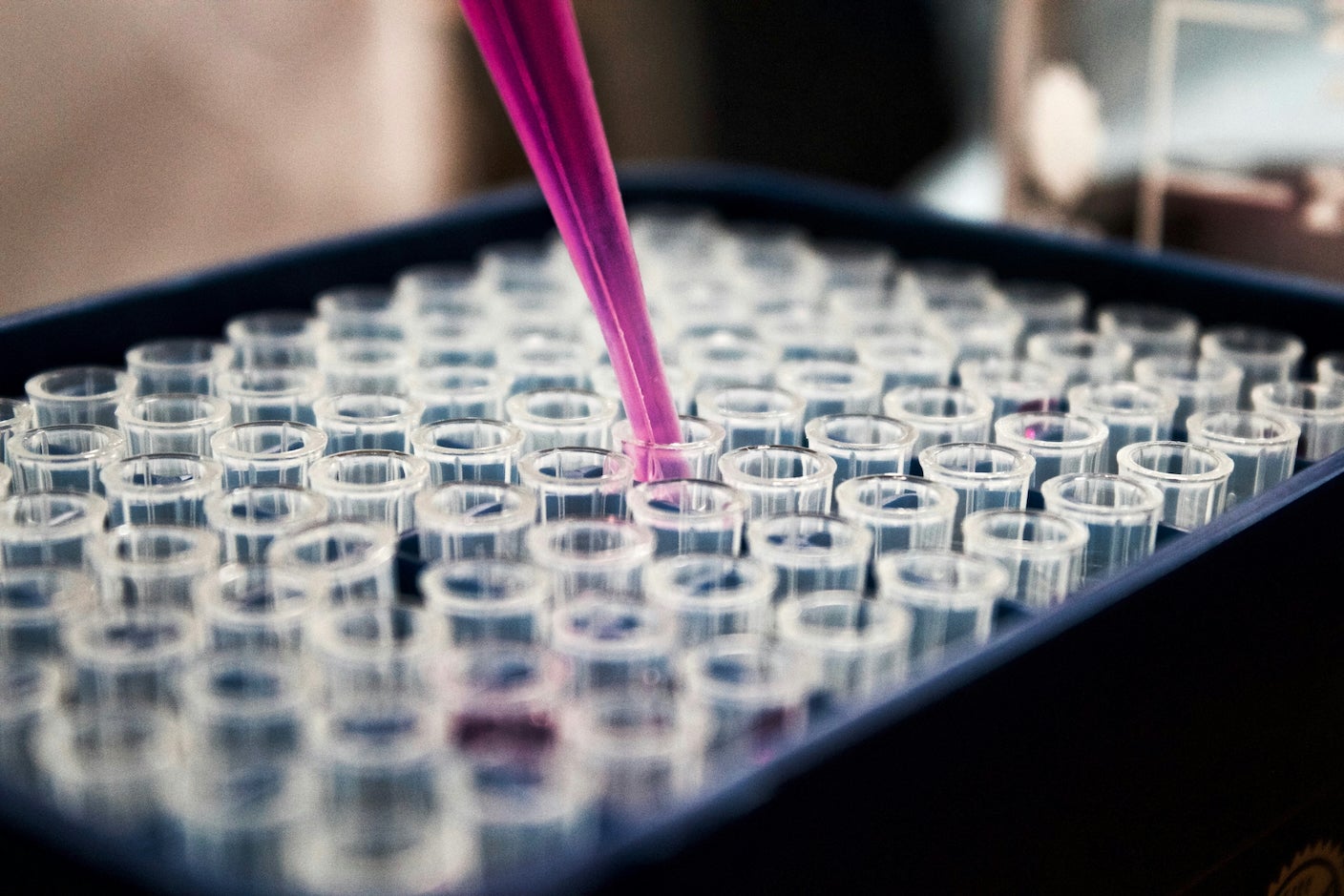
With that one prompt, the AI lab got to work. One agent scoured scientific literature to devise a workflow. Another translated it into code to control robotic arms. Still more agents guided robots to transfer tiny amounts of reagents and operate DNA synthesis and sequencing machines.
In around 200 hours, the unusual lab, called AutoDNA, completed the entire read-write cycle with a level of precision similar to expert scientists. Humans popped in occasionally to empty trash cans and replenish supplies. But for the most part, AI agents took the wheel.
Much of chemistry and molecular biology relies on complex but repetitive tasks. A tiny slip-up can torpedo hours, if not days or weeks, of painstaking work.…